




Bohemian Wine Glass
A bohemian wine glass brings rich colour, deep cutting and enamelled detail straight to your table from Central European workshops.
Bohemian Wine Glass
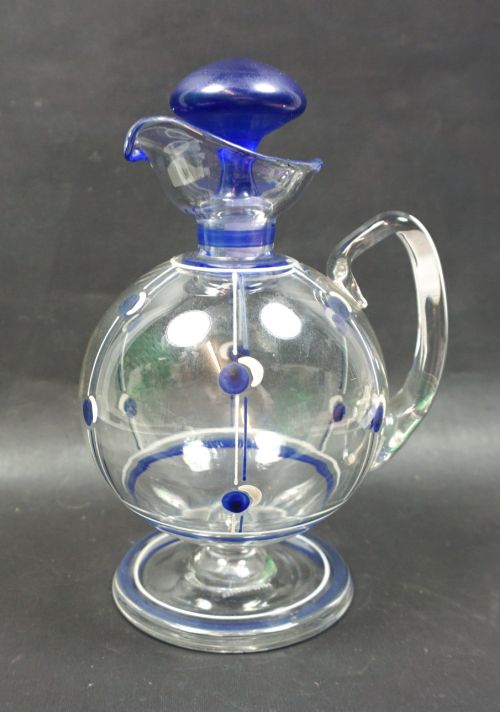
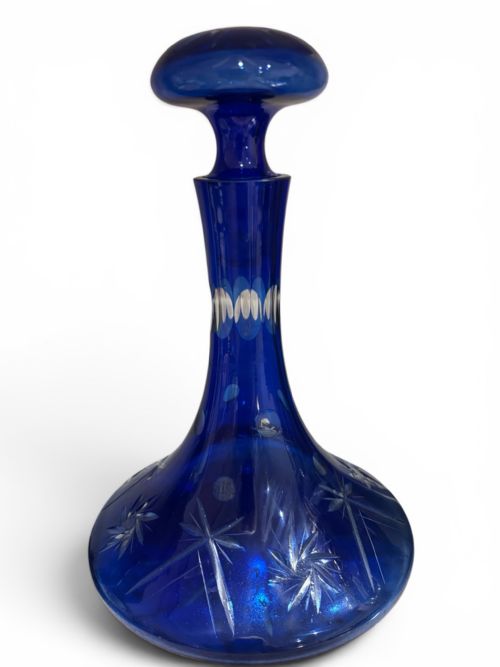
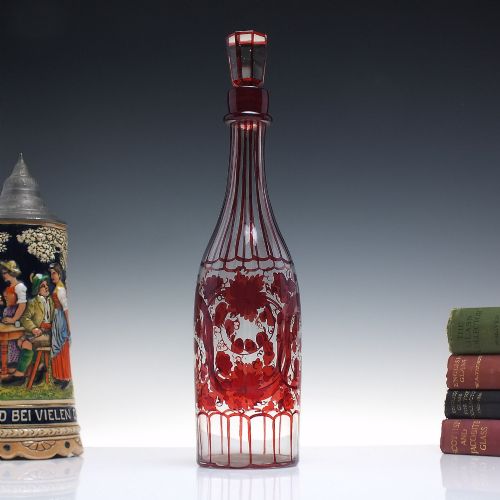
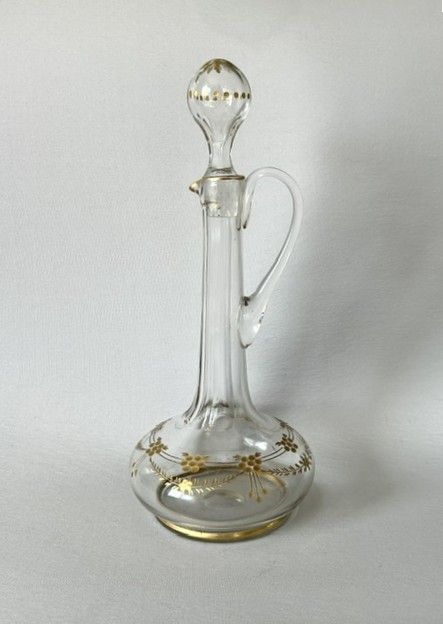
When searching for a bohemian wine glass, collectors encounter a diverse array of richly decorated vessels spanning the nineteenth and twentieth centuries. These objects range from heavy cut crystal roemers to slender hock glasses and tall goblets bearing intricate armorial or floral motifs. The selection includes distinctive items created during the Victorian, Biedermeier and Art Deco periods, alongside earlier seventeenth-century interpretations.
The most common versions met on this page are green or amber glass roemers and decanters produced across the nineteenth century. Many pieces showcase overlay glass techniques where layers of coloured glass are cut away to reveal contrasting hues underneath. Hand-painted enamel decoration and gilding frequently adorn these vessels, creating striking visual contrasts.
Production centres on traditional Central European glassmaking regions, encompassing both functional serving bottles and specialised drinking vessels. Sets of matching wine glasses appear alongside individual cabinet pieces and larger claret jugs. These items reflect the shifting aesthetic movements of their times, moving from historicism to Jugendstil and modernism.
How they were made
Makers shaped these vessels using traditional blown glass techniques, forming the basic body before applying decorative treatments. Overlay glass construction involved fusing distinct layers of coloured glass onto clear or contrasting molten bases. Skilled artisans then utilised wheel-cutting methods to carve intricate patterns through the outer layer.
Surface ornamentation relied heavily on polychrome enamel painting and meticulous hand-applied gilding. Engravers used specialised tools to incise detailed botanical, figural or armorial scenes directly into the crystal or coloured body. This combination of hot glass manipulation and cold-work finishing defined the distinctive workshop output.
Bohemian Wine Glass Retail Price Guide 2026
Typical asking prices for bohemian wine glass among the pieces listed under this phrase on Sellingantiques today, from the lower quarter to the upper quarter. They describe what is for sale here now, not the wider market.
Some Victorian wine glasses sport hand-painted portraits of eager dogs peering through dense foliage.
What varies in quality
The sophistication of the wheel-cutting and the depth of the crystal define the upper tiers of production. Superior examples display crisp, sharply faceted edges on overlay glass and precise, finely detailed armorial or figural engraving. Lesser pieces often exhibit softer facet lines and simpler moulded details rather than hand-cut precision.
The execution of the enamelling and gilding further separates standard items from exceptional ones. Master workshops achieved remarkable tonal variation and delicate linework in their polychrome scenes, whereas basic wares relied on stencilled or thick, unrefined enamel applications. The weight and clarity of the base glass also contribute significantly to the overall standing of the piece.
Moser·Lobmeyer·Frits Hechert
The Bohemian Wine Glass Glossary
- Roemer
- A traditional Germanic and Central European large wine glass featuring a wide, spreading foot formed from coiled glass and a generous bowl. These vessels often appear in green or amber glass with elaborate prunts on the stem.
- Overlay glass
- A technique where a layer of coloured glass is fused over a clear or contrasting body, allowing artisans to cut away portions of the outer layer to expose the base colour beneath. This method creates bold two-tone visual patterns.
- Prunt
- A small applied blob of molten glass melted onto the stem of a roemer or goblet, typically drawn out into a pointed or raspberry shape. Originally designed to improve grip, they evolved into purely decorative elements.
- Hock glass
- A tall-stemmed wine glass traditionally used for white wine, often featuring a coloured bowl and an elongated, decorated stem. These pieces frequently incorporate extensive enamel painting and gilding.
- Armorial
- A decorative motif incorporating heraldic coats of arms, crests, or shields, frequently hand-enamelled onto high-status nineteenth-century glassware. Such pieces were often commissioned for specific aristocratic families or institutions.
Bohemian Wine Glass: Frequently Asked Questions
What is a roemer glass?
A roemer is a traditional Germanic wine glass characterised by a wide bowl and a sturdy, coiled foot. These vessels were designed for daily dining and celebratory toasts alike.
They frequently appear in shades of green or amber glass, often decorated with applied prunts and detailed enamel work.
Are these glasses safe for wine?
Most antique crystal and glass vessels remain entirely suitable for serving wine today. Ensure you wash each piece thoroughly before use and check for any historic hairline fractures.
Acidic wines pose no threat to glass, but modern abrasive cleaning agents should be avoided to preserve surface gilding.
How can I date my glassware?
Dating relies on examining the manufacturing style, cutting technique, and decorative motifs present on the piece. Victorian and Biedermeier examples often feature distinct colour palettes and heavy overlay work.
Comparing the pontil mark on the base with documented workshop periods helps narrow down the era of production.