



Bobbin Turned Desk
When you need a bobbin turned desk, you are seeking distinctive turned spindle supports that give these practical writing surfaces their tactile character.
Bobbin Turned Desk
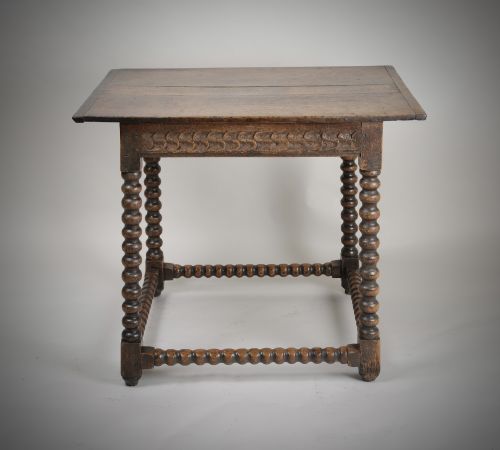
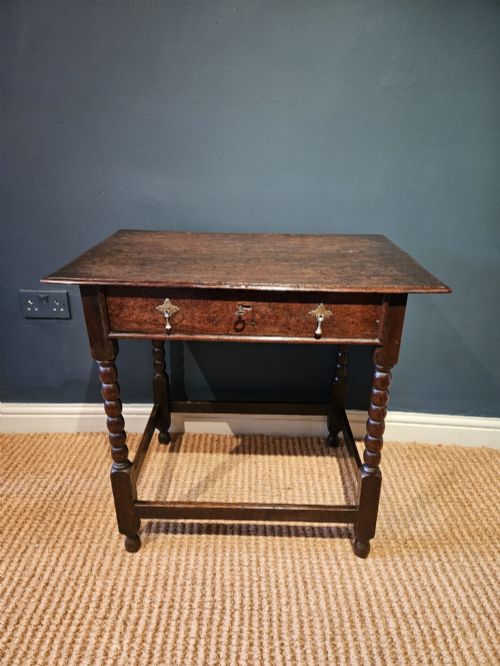
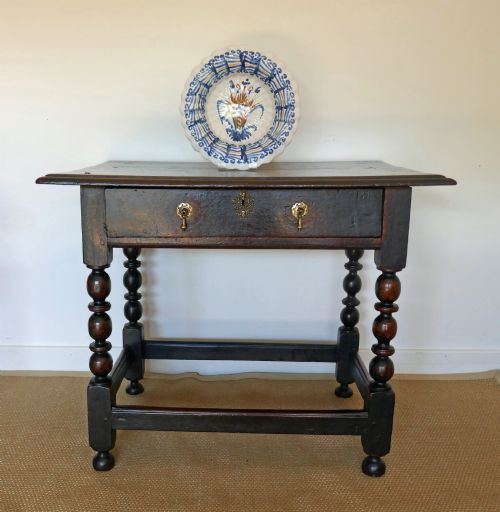
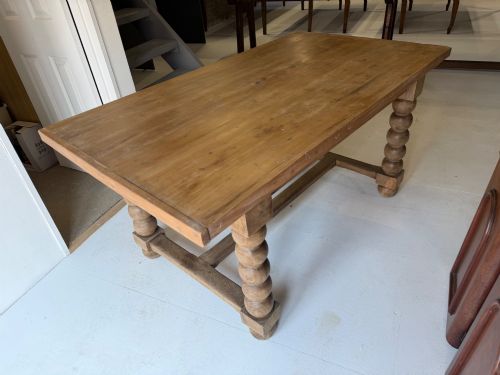
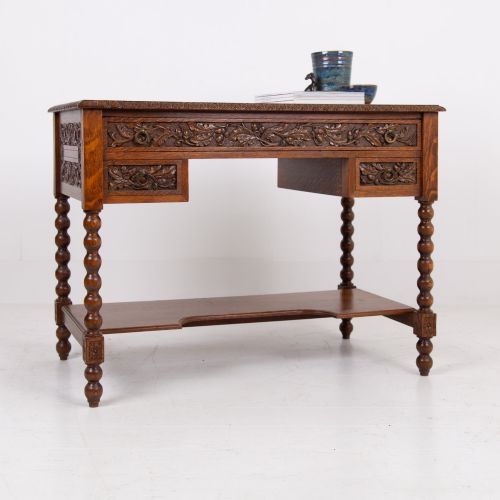
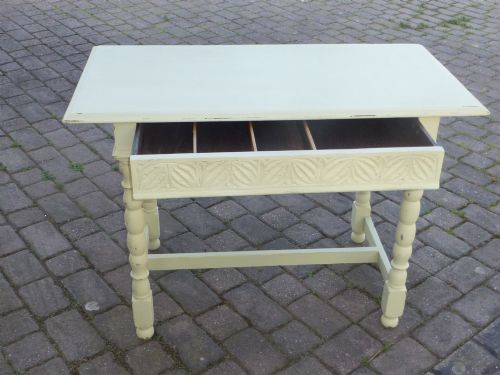
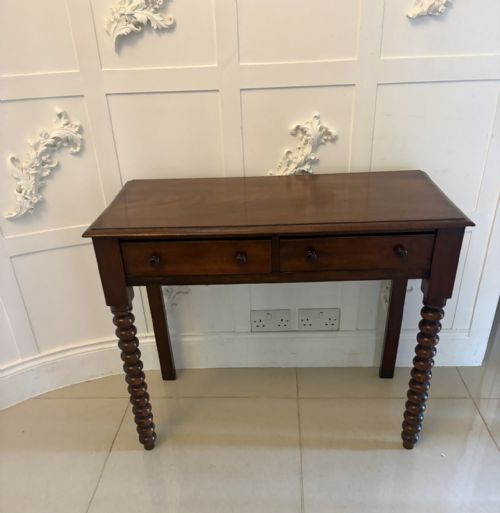
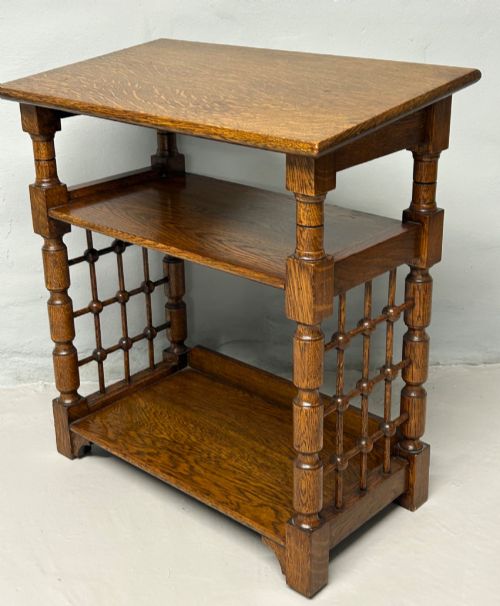
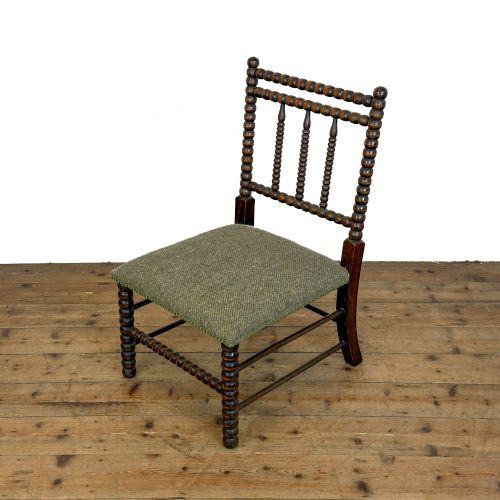
A bobbin turned desk brings together compact writing surfaces and the distinctive spool-moulded leg architecture seen across various historical periods on this page. While the listings here span centuries and forms, the core appeal remains the rhythmic pattern carved or turned into the timber framing.
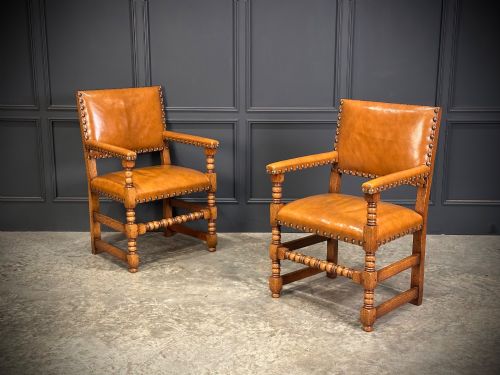
Buyers will encounter these writing pieces alongside related items sharing similar turned woodwork, from oak side tables to Victorian library chairs. The examples range from robust nineteenth-century oak constructions with single drawers to earlier vernacular pieces.
Materials and construction
Cabinetmakers constructed these pieces primarily using dense hardwoods such as oak, walnut, mahogany, and rosewood, often pairing them with secondary timbers like beech or elm. The signature bobbin or spool turnings required precise lathe work to shape repetitive circular profiles along the legs and stretchers.
Joinery techniques relied on traditional mortise and tenon joints to ensure stability beneath the turned framework. Where drawers were included, simple side-hung runners and hand-cut dovetails held the timber carcases together.
Bobbin Turned Desk Retail Price Guide 2026
Typical asking prices for bobbin turned desk among the pieces listed under this phrase on Sellingantiques today, from the lower quarter to the upper quarter. They describe what is for sale here now, not the wider market.
Listings on this site feature oak, mahogany, walnut, and rosewood across periods from the seventeenth century to the Edwardian era.
Factors determining quality
The standard of a piece depends heavily on the crispness of the lathe turning and the selection of figured timber for the top and drawer fronts. Crisp, evenly spaced spool mouldings demonstrate a high level of craftsmanship compared to softer, worn profiles.
Proportion and structural integrity also separate fine examples from simpler vernacular items, particularly regarding how the turned legs meet the aprons. Original patination and minimal timber replacement preserve the historical character valued by collectors.
The Bobbin Turned Desk Glossary
- Bobbin turning
- A form of woodturning that creates a series of rounded, spool-like shapes resembling bobbins of thread along a length of timber. This decorative technique appears frequently on seventeenth-century and nineteenth-century furniture framing.
- Mortise and tenon
- A traditional woodworking joint where a projecting tongue fits snugly into a corresponding cavity to lock two pieces of wood together at a right angle. It provides robust structural support for tables and desks.
- Patina
- The surface sheen and colour developed by timber over decades of handling, exposure to light, and polishing. It serves as a key indicator of age and authenticity.
- Spandrel
- The roughly triangular space between the top of a leg and the underside of a table top or drawer rail. In finer pieces, these are sometimes shaped or carved.
Bobbin Turned Desk: Frequently Asked Questions
How do I date a bobbin turned desk?
Dating relies on examining the timber species, construction methods, and tool marks left by the maker. Earlier pieces from the seventeenth century often show different hand-tool signatures compared to nineteenth-century revivals.
Hardware such as drawer pulls and locks also provides clues, though these elements were frequently replaced over time. Comparing the secondary woods inside the drawers helps confirm the period.
Are these desks suitable for daily work?
Many historical writing pieces function well for modern laptop use or correspondence, provided their height and knee clearance match your needs. Their compact proportions make them versatile additions to studies or living spaces.
Care should be taken to protect antique wood surfaces from moisture and heat. Using a blotter or leather pad preserves the timber while providing a smooth writing surface.
How should I care for antique turned wood?
Maintenance involves dusting regularly with a soft, dry cloth and applying traditional beeswax sparingly to nourish the timber. Avoid placing wooden furniture near direct heat sources or in strong sunlight.
Checking the stability of the turned legs periodically ensures that dry joints remain secure. Professional conservation is recommended for any structural repairs.