



Bobbin Leg Accent Chair
A bobbin leg accent chair brings robust turned woodwork and tactile upholstery into a room.
Bobbin Leg Accent Chair
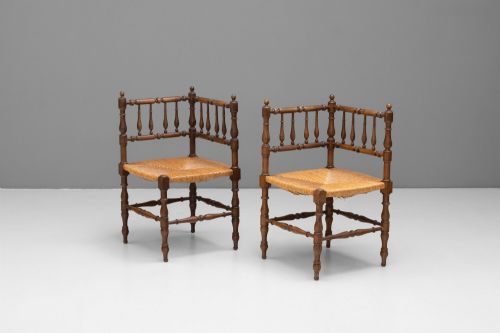
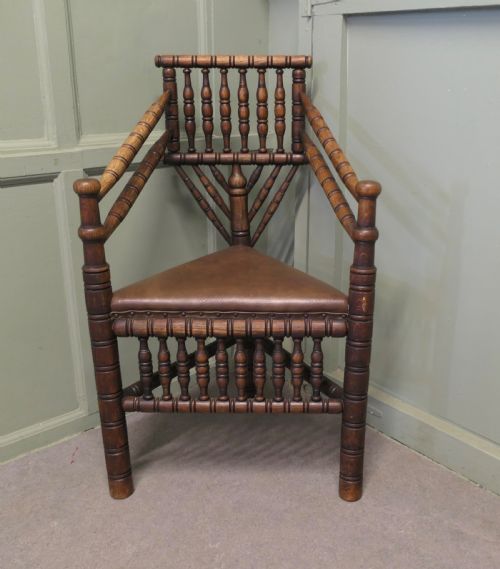
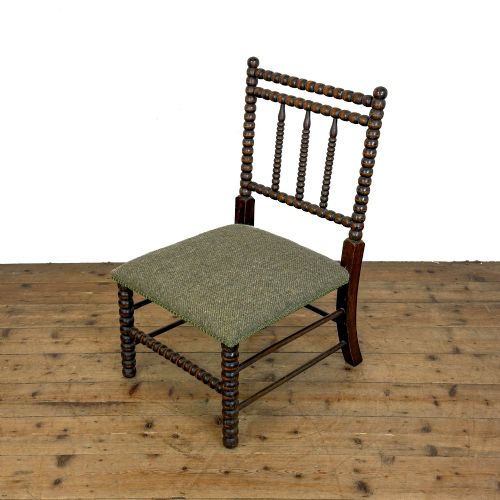
A bobbin leg accent chair draws the eye with distinctive spool turnings that recall centuries of domestic woodworking tradition. You encounter these seating pieces in formats ranging from low-slung slipper chairs to robust armchairs and turners chairs.
The material palette spans sturdy oak and walnut alongside occasional rosewood and beech. Many examples feature rush seats or traditional textile coverings such as wool tweed, tapestry fabric, and leather.
Origins stretch from the eighteenth century through the Victorian era and into the early twentieth century. Common stylistic expressions include Georgian, Victorian, English Country, and various revival movements.
How they were made
Craftsmen shaped the characteristic spool or bobbin turnings using a lathe, cutting repetitive rounded profiles along legs, stretchers, and arm supports. Hardwoods such as oak and walnut provided the structural strength needed for these intricate turned elements.
Joinery relied on traditional pegged and tenoned joints to unite the turned framing securely. Upholstered variants integrated woven rush, leather, or textile coverings fastened directly to the wooden seat frames.
Listings feature oak, walnut, rosewood, and beech combined with rush, leather, tweed, and tapestry fabric across multiple centuries.
What varies in quality
The crispness and uniformity of the lathe turnings define the visual standard of the framing. Finer pieces demonstrate precise, clean spooling without the wandering depths seen in hurried work.
Timber selection and structural integrity separate robust examples from fragile ones. Dense hardwoods like oak and walnut retain their joints firmly, whereas lesser pieces show timber fatigue around high-stress connection points.
The Bobbin Leg Accent Chair Glossary
- Bobbin turning
- A form of woodturning characterised by a series of rounded, spool-like shapes carved along the length of a leg or stretcher. This decorative technique mimics the appearance of bobbins used in textile production.
- Turners chair
- A heavy, sturdy armchair constructed entirely from turned wooden members with a triangular or round seat. These pieces often feature prominent spindle work across the back and armrests.
- Slipper chair
- A low-seated upholstered chair designed originally for bedchambers to assist with putting on footwear. They typically sit close to the floor and possess a compact silhouette.
- Rush seat
- A seating surface woven from dried marsh grasses twisted into cords. This traditional method creates a flexible yet durable platform for everyday sitting.
Bobbin Leg Accent Chair: Frequently Asked Questions
What periods do these chairs come from?
The available selection spans eighteenth-century origins through the Victorian era up to the early twentieth century. Victorian revivals of earlier styles appear frequently.
Craftsmen across these periods utilised local hardwoods like oak and walnut alongside beech to build the frames.
How were turners chairs used?
Turners chairs served as sturdy seating options in domestic interiors, often positioned near hearths or in communal rooms. Their robust frame construction handled daily use.
Many examples feature an elbow seat design with substantial wooden arms for added support.
What fabrics cover the seats?
Upholstery materials include wool tweed, tapestry fabric, leather, and woven rush. Some variants feature plain linen or exposed wooden seats.
Textiles were chosen to complement the dense turned woodwork of the frames.
Are these chairs comfortable for daily sitting?
Armchairs and slipper chairs provide supportive seating depending on their upholstery and back rake. Models with rush seats offer a firm, traditional sitting experience.
Low slipper formats suit relaxed lounging in smaller spaces.