




Blue Woven Wall Art
Blue woven wall art brings together centuries of textile tradition, offering rich textures and historic narratives for interior spaces.
Blue Woven Wall Art
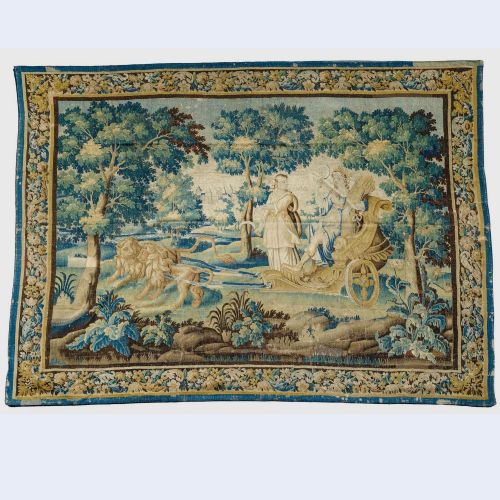
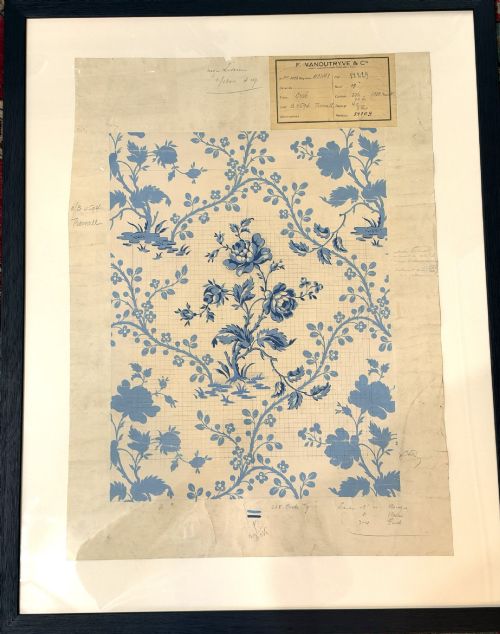
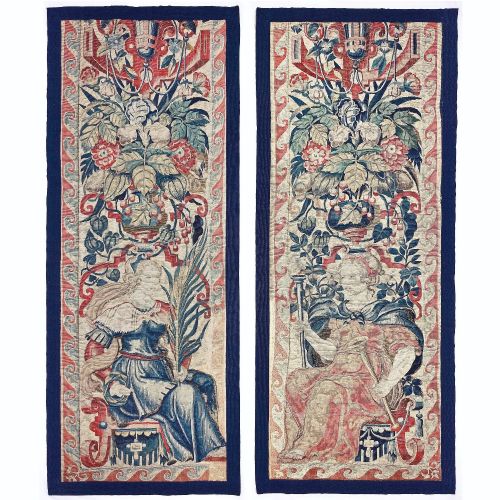
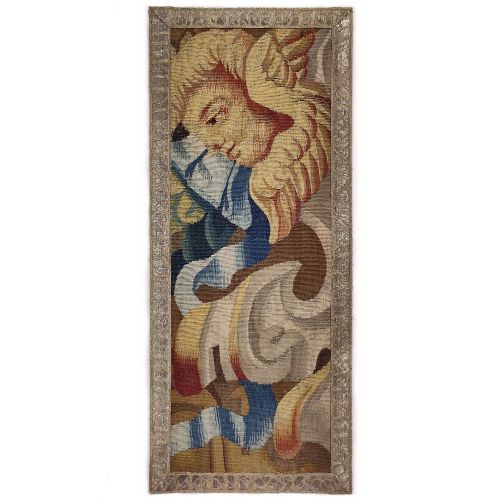
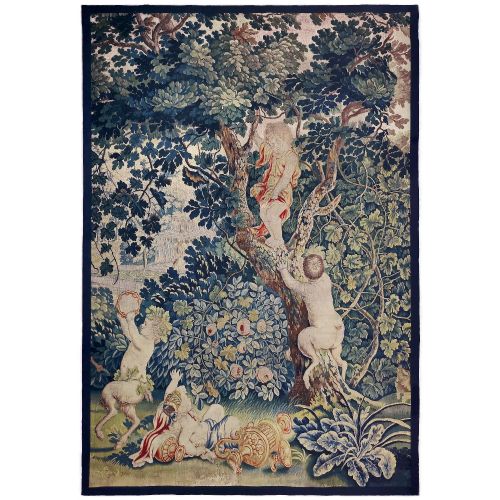
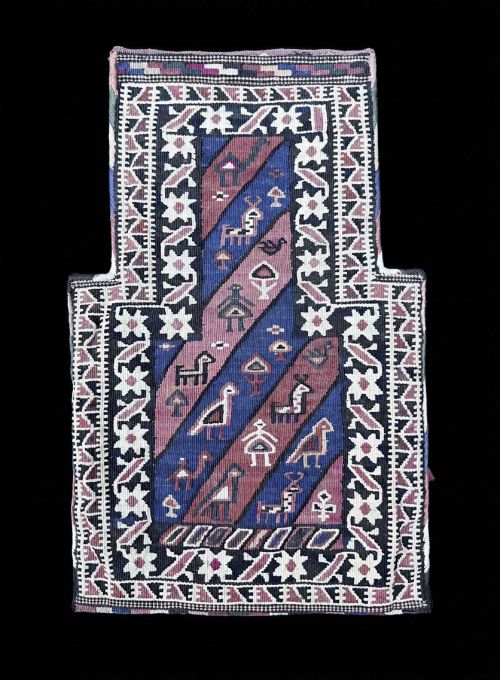
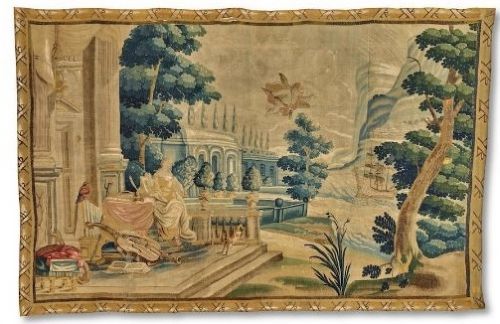
Blue woven wall art encompasses historic tapestries, tribal bag faces, and textile fragments originating from European workshops and Persian nomadic communities. These textiles serve as decorative wall hangings that introduce architectural scale and narrative depth to interiors.
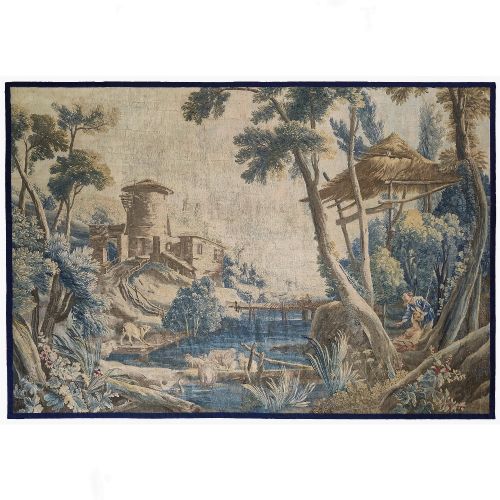
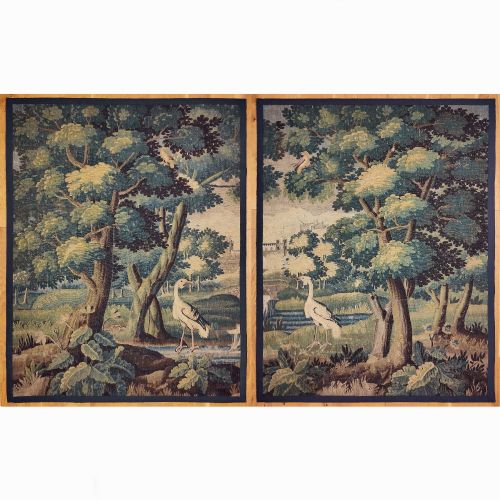
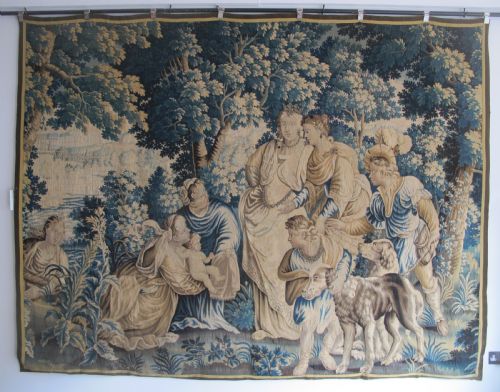
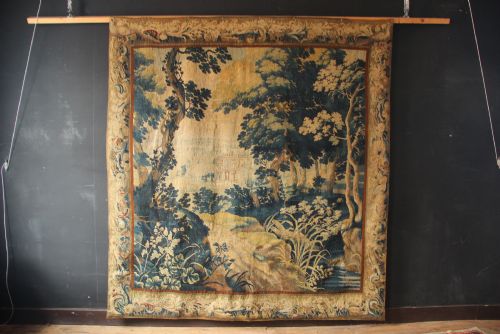
The selection frequently includes Flemish verdure panels and French Aubusson weaves alongside tribal Salt-Bags and saddle-bags. Buyers encounter large-scale mythological scenes, pastoral garden landscapes, and intricate geometric tribal compositions.
Pieces range from grand 17th century wall tapestries down to compact 19th century nomadic bag faces and fragments. Each item represents a distinct tradition of hand-weaving executed in wool, silk, and natural dyes.
How they were made
These textiles rely on hand-spun wool, silk, cotton, and linen threads manipulated through traditional weaving techniques. Artisans utilised natural dyes derived from plants and minerals to achieve enduring shades of blue alongside complementary earthy tones.
European workshops employed high-warp and low-warp looms to produce dense pictorial tapestries depicting foliage, figures, and architectural elements. Tribal weavers utilised flat-weave and soumak techniques on portable vertical looms to create durable utility bags and covers.
Blue Woven Wall Art Retail Price Guide 2026
Typical asking prices for blue woven wall art among the pieces listed under this phrase on Sellingantiques today, from the lower quarter to the upper quarter. They describe what is for sale here now, not the wider market.
What varies in quality
Quality rests upon the fineness of the weave, the complexity of the design, and the stability of the remaining textile structure. Dense knotting or intricate tapestry needlework indicates superior workshop production and greater artisan skill.
The preservation of original natural dye colours and the integrity of the borders or edges determine the visual impact of the piece. Verdure tapestries with clear botanical detail and tribal weavings with crisp geometric motifs command greater appreciation.
The Blue Woven Wall Art Glossary
- Soumak
- A flat-weave technique where coloured weft threads are wrapped around the warp threads in a continuous sequence, producing a sturdy structure with a braided appearance on the face. It is frequently seen in antique Persian tribal bags.
- Aubusson
- A style of tapestry woven in the French town of the same name, known for pastel palettes, pastoral scenes, and classical borders. Production spans several centuries from the Baroque period onwards.
- Bag face
- The decorative front panel of a nomadic storage bag, preserved and mounted for display after the utilitarian backing wore away. These panels showcase traditional tribal iconography and weaving skill.
- Tapestry fragment
- A surviving portion of a larger historical wall hanging, trimmed and stabilised for display. Fragments allow collectors to own exemplary weaving and design work from centuries past.
Blue Woven Wall Art: Frequently Asked Questions
How do I hang a heavy textile?
Heavy tapestries require a weight-distributing support system such as a concealed wooden batten or a stitched-on linen sleeve through which a rod passes.
Avoid hanging textiles directly by small nails or pins, as this concentrates tension and damages the historic fibres over time.
Where should I place these pieces?
Select wall spaces away from direct sunlight and strong artificial heat sources to protect delicate natural dyes and organic fibres from fading.
Interior walls in hallways, drawing rooms, or stairwells provide stable environments where large tapestries and small tribal bag faces can be viewed at eye level.
How are different periods identified?
Period attribution relies on stylistic conventions, such as the lush foliage of seventeenth-century Flemish verdure pieces or the specific geometric vocabulary of nineteenth-century Persian tribes.
Material analysis, including the identification of hand-spun wool and specific natural dye palettes, further refines the date of creation.