






Blue Wool Textile
A blue wool textile brings deep indigo tones and historical narrative into an interior through antique tapestries and nomadic bags.
Blue Wool Textile
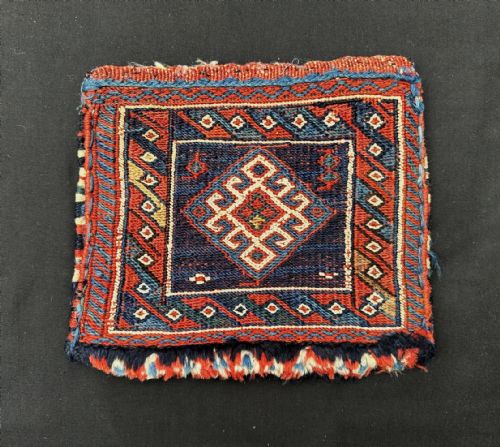
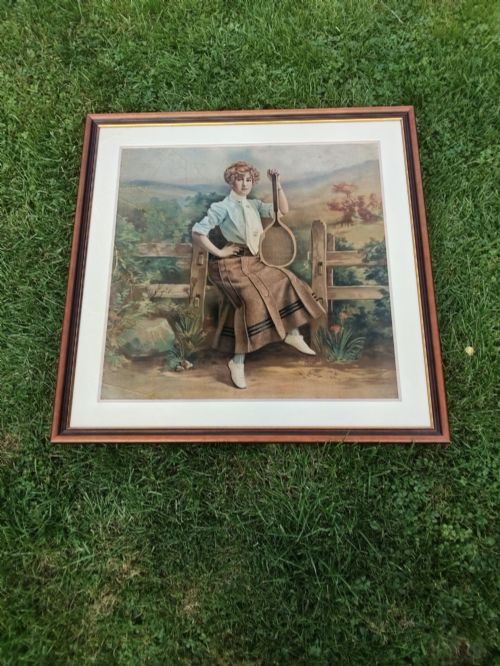
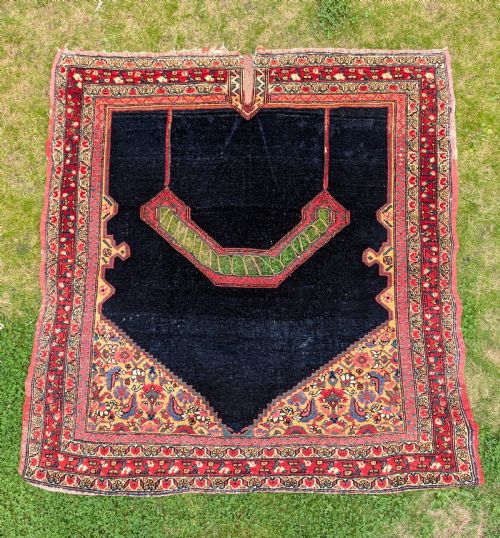
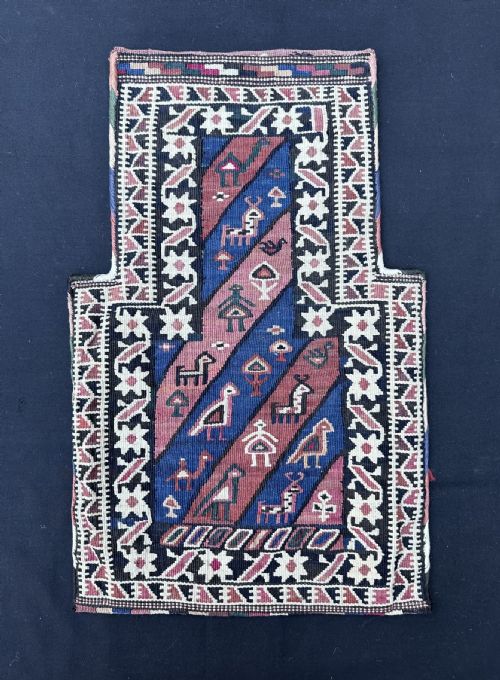
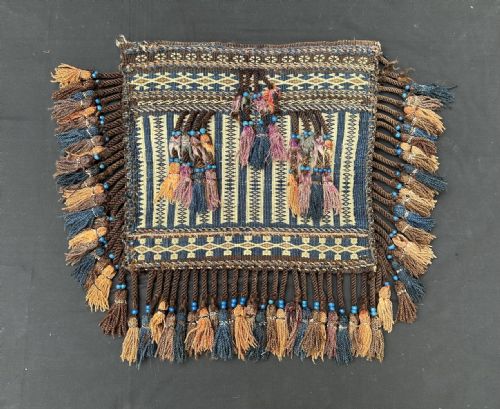
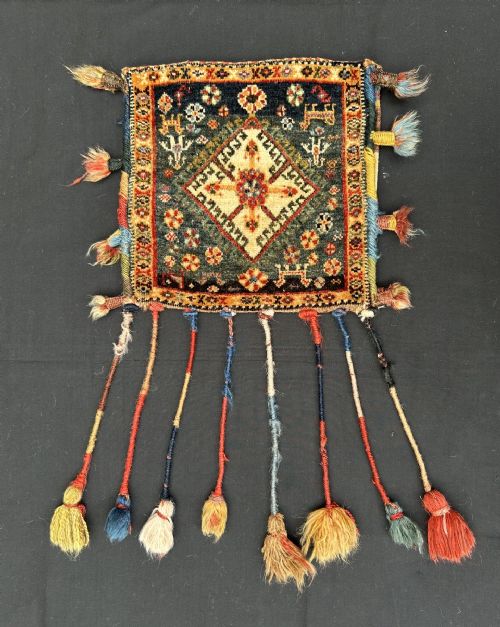
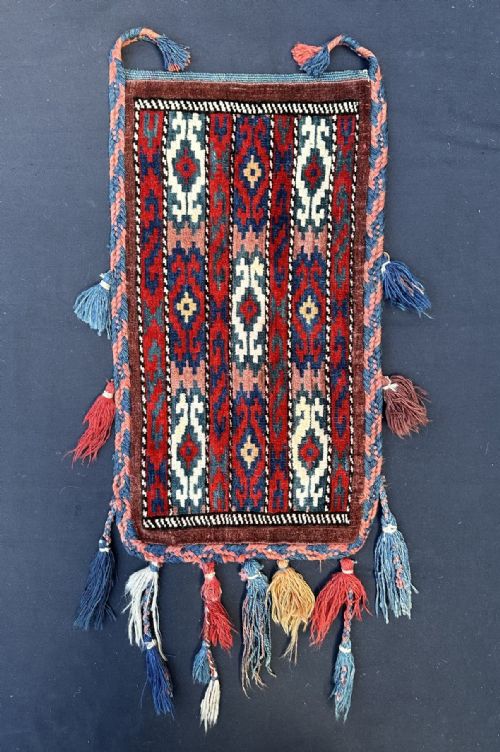
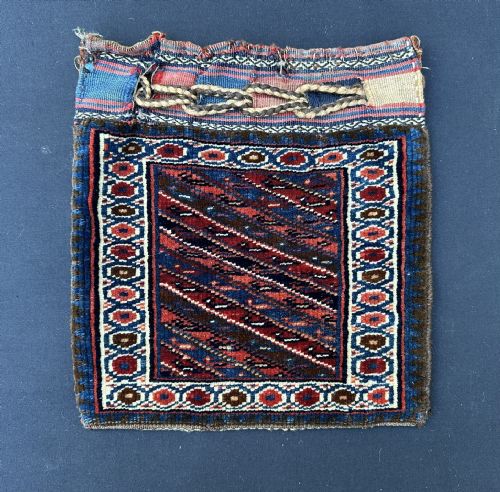
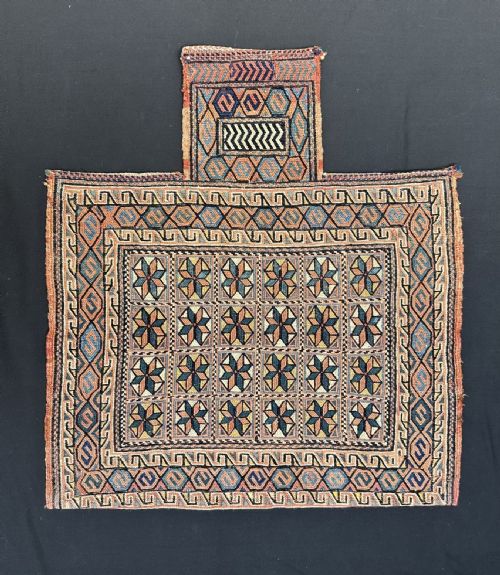
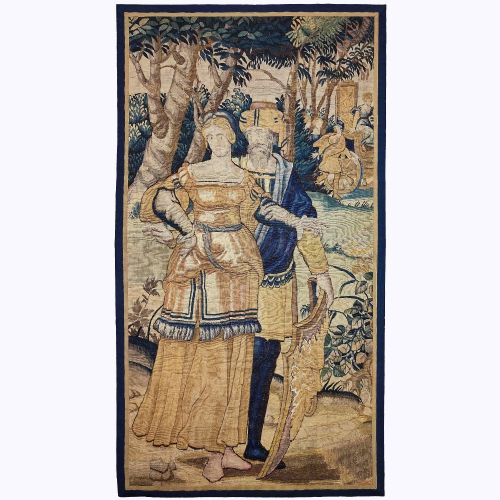
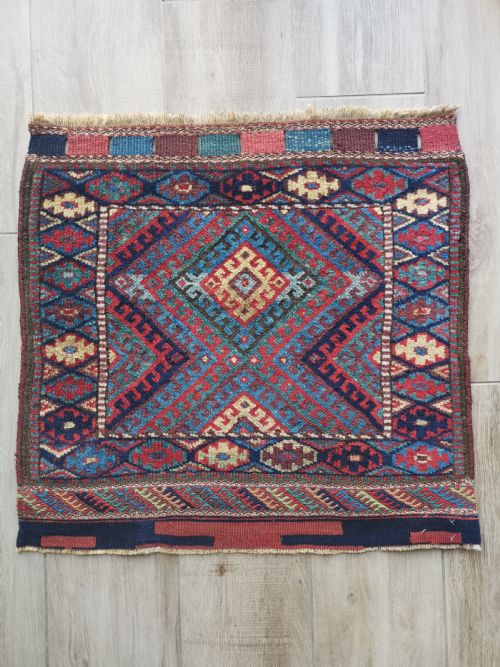
A blue wool textile encompasses centuries of weaving traditions, ranging from seventeenth-century Flemish verdure wall hangings to nineteenth-century Persian tribal bags. Collectors find varied forms here, including framed tapestries, saddle covers, salt bags, and dining sofrehs produced across Persia, Afghanistan, and Europe.
The pieces span multiple centuries, touching periods from the seventeenth century through to the early twentieth century. European examples lean toward grand mythologies and verdure landscapes, while tribal items focus on utilitarian storage bags and utilitarian eating cloths worked by specific regional confederacies.
Materials and Techniques
Makers utilised hand-spun wool alongside supplementary fibres such as silk, cotton, and linen to build durable structures and intricate details. Natural dyes provide the enduring palette, anchoring the textiles in traditional regional processing methods.
Techniques diverge between European tapestry weaving, which employs complex weft-faced structures for pictorial scenes, and tribal knotting or flat-weaving methods used for bags and domestic textiles.
Blue Wool Textile Retail Price Guide 2026
Typical asking prices for blue wool textile among the pieces listed under this phrase on Sellingantiques today, from the lower quarter to the upper quarter. They describe what is for sale here now, not the wider market.
Several bags here were once packed with bread or salt inside nomadic tents before finding their way into modern collections.
Quality Variations
The finesse of a piece rests on the precision of the wool spinning and the complexity of the dye work. Tighter knotting or denser weave structures denote higher proficiency in the hands of the weaver.
Design clarity and the preservation of the original format distinguish superior examples from heavily fragmented pieces. Completeness of borders and integrity of the textile edge contribute significantly to the standing of an item.
The Blue Wool Textile Glossary
- Sofreh
- A woven eating cloth or dining spread used historically across Persian and Afghan nomadic communities. These items often feature geometric patterns and durable flat-weave construction.
- Verdure
- A type of tapestry featuring lush foliage, trees, and garden landscapes as the dominant subject matter. These European panels frequently incorporate birds and distant architectural elements.
- Torba
- A small storage bag produced by Turkmen tribes for domestic utility inside a tent. They display characteristic tribal gul motifs and precise wool work.
- Soumac
- A flat-weave technique involving wrapping weft threads over and under warp threads to create a textured surface. This method offers greater durability than standard kilim weaving.
Blue Wool Textile: Frequently Asked Questions
How were tribal bags used historically?
Nomadic tribes utilised these woven bags for storing salt, bread, personal items, and household goods during seasonal migrations. They served practical daily functions within the tent.
Over time, these utility pieces became expressions of tribal identity, displaying specific regional patterns passed down through generations of weavers.
What distinguishes Flemish tapestries from tribal pieces?
Flemish tapestries represent European courtly and landscape traditions, often rendered on a grand scale with pictorial detail. They reflect workshop production and classical narratives.
In contrast, tribal textiles emerge from nomadic or village environments, prioritising geometric symbols, practical storage forms, and regional dye palettes.
How should antique textiles be displayed at home?
Wall hangings and framed tapestries require careful mounting to distribute the physical weight evenly across the backing material. Direct sunlight should be avoided to protect natural wool dyes.
Smaller bags and fragments work well behind glass or secured on specialised display supports to prevent distortion of the historic fibres.
How do you identify natural dyes in old wool?
Natural dyes present subtle tonal variations and depth that age gracefully over decades. Chemical dyes introduced later tend to appear more uniform and can fade unevenly.
Examining the base of the wool pile reveals how the dye penetrated the fibre during traditional preparation processes.