



Blue White Tin Dish
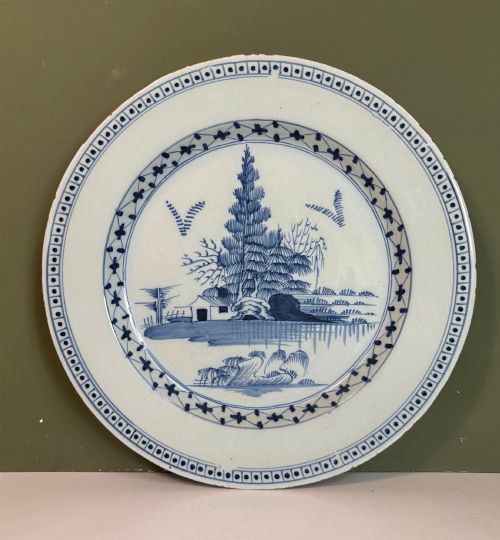
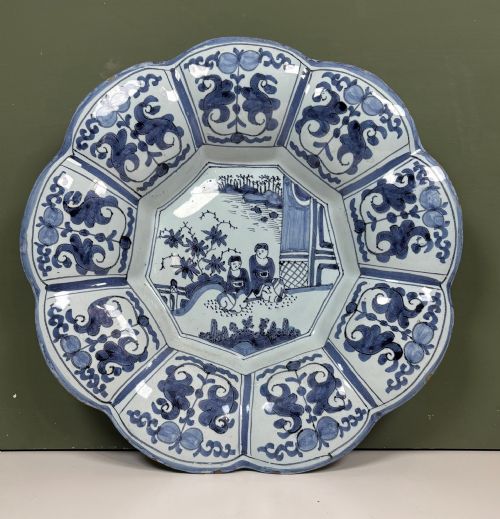
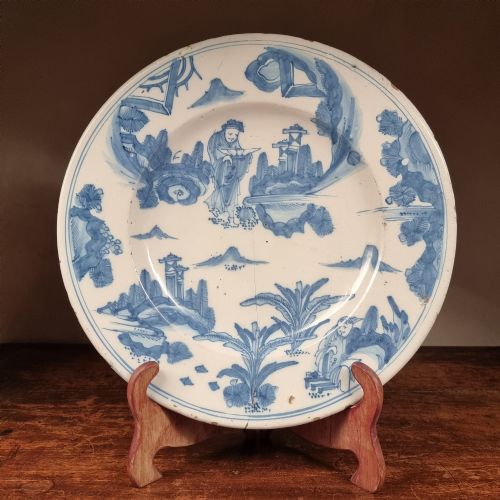
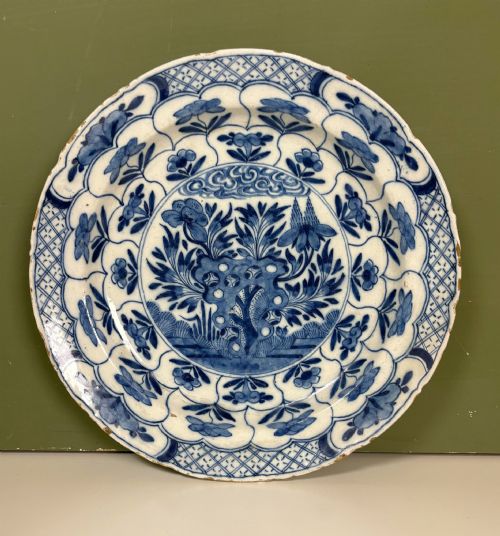
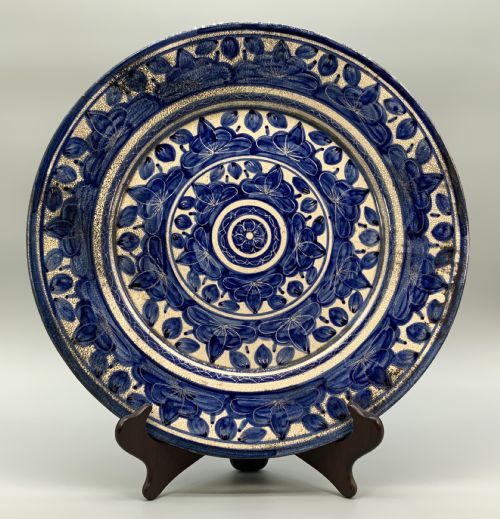
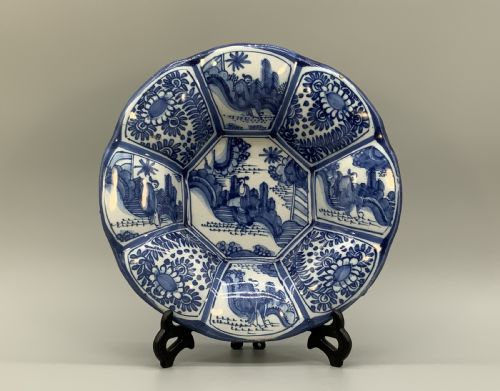
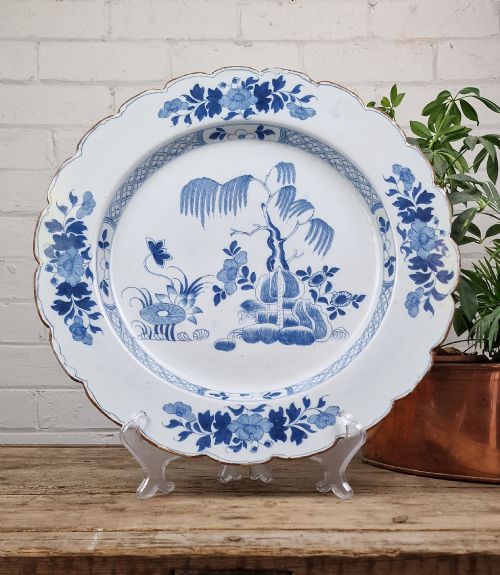
These pieces of blue white tin dish material span centuries of earthenware production, bringing hand-painted cobalt pigment to decorative plates and chargers.
Blue White Tin Dish
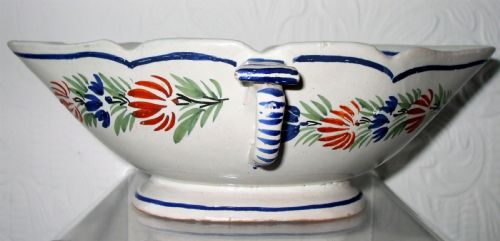
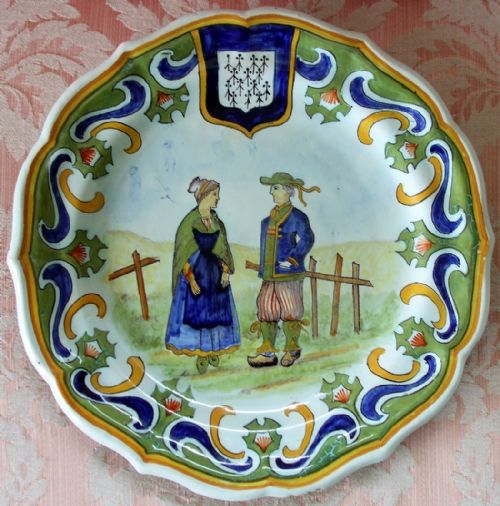
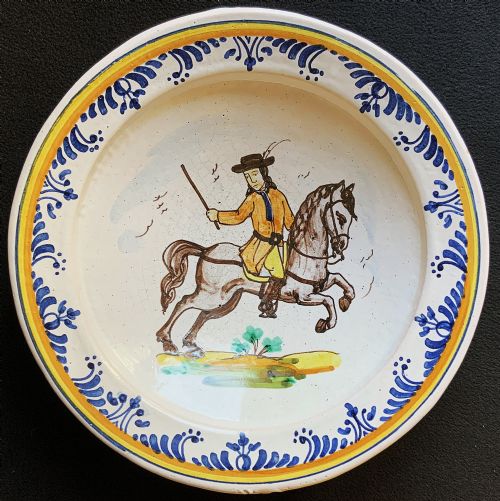
When searching for a blue white tin dish, collectors encounter earthenware items shaped as chargers, plates, bowls, and sauceboats. The selection contains objects originating from English, Dutch, French, and Spanish potteries.
The material most frequently met on this page is tin-glazed earthenware decorated with cobalt pigment. These items display styles ranging from Dutch Delftware and French provincial designs to seventeenth-century Kraak patterns.
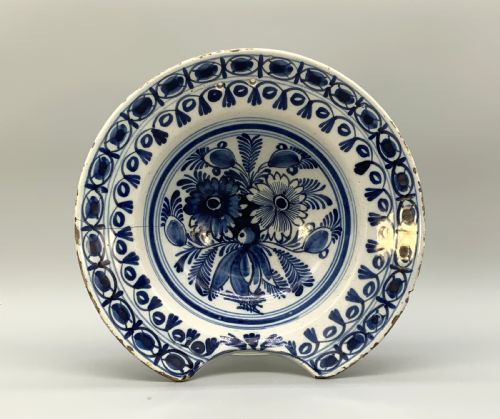
Domestic forms include barber's bowls, salt cellars, and vide-poche dishes alongside large wall chargers. Eighteenth-century pieces dominate the selection, accompanied by seventeenth-century and nineteenth-century examples.
Materials and production methods
Potters formed vessels from earthenware clay before applying an opaque white tin glaze that created the characteristic smooth surface for subsequent painting.
Painters used cobalt oxide to apply blue pigment directly onto the absorbent unfired or biscuit-fired glaze before the final kiln firing fixed the colours.
Listings feature earthenware bodies decorated with tin glaze and cobalt pigment across the seventeenth, eighteenth, and nineteenth centuries.
Distinctions in craftsmanship
Execution of the hand-painted cobalt design separates simpler utility items from more ambitious decorative chargers. Brushwork control and pigment saturation determine visual depth across the tin glaze.
The stability of the earthenware body during firing influences the flatness of plates and symmetry of hollowware. Glaze consistency and surface pooling reveal the technical skill of the pottery.
Quimper French Faience·Desvres French Faience·Gien faience pottery
The Blue White Tin Dish Glossary
- Tin Glaze
- An opaque white glaze containing tin oxide applied to earthenware bodies. This coating provides the traditional background for blue and white painting.
- Charger
- A large decorative plate intended for display on walls or sideboards rather than dining use. These pieces often measure significantly wider than standard plates.
- Faience
- European tin-glazed earthenware produced in France, Spain, and other continental regions. The term encompasses various styles of decorated pottery.
- Cobalt Pigment
- A metallic oxide used to create blue decoration on ceramic wares. It withstands high kiln temperatures without losing intensity.
- Kraak Style
- A Chinese export porcelain design style featuring paneled borders and central motifs of natural subjects. European potteries frequently copied these patterns.
- Barber's Bowl
- A specialised earthenware vessel featuring a semicircular cutout for the neck. These utensils caught shaving water during use.
Blue White Tin Dish: Frequently Asked Questions
How do I hang a large charger safely?
Display chargers require specialised spring-loaded wall hangers that distribute weight evenly across the rim. Ensure the mounting hardware anchors securely into wall studs.
Avoid positioning pieces in areas subject to heavy vibration or direct sunlight to protect the historic earthenware surface.
Were these dishes used for daily dining?
Many smaller plates served practical functions at table for meals. Larger chargers primarily served decorative display roles in domestic interiors.
Specialised forms like barber's bowls and salt cellars fulfilled specific grooming and dining tasks.
How do I distinguish English from Dutch delft?
English delftware frequently utilises a slightly softer pinkish or yellowish earthenware body underneath the glaze. Dutch pieces often exhibit distinct blue tones and specific factory markings.
Glaze composition and stylistic nuances in the cobalt painting help separate regional workshops.