



Blue White Soup Tureen
These blue white soup tureen pieces bring cobalt patterns and classic ceramic forms to the table, offering both decorative presence and historic utility.
Blue White Soup Tureen
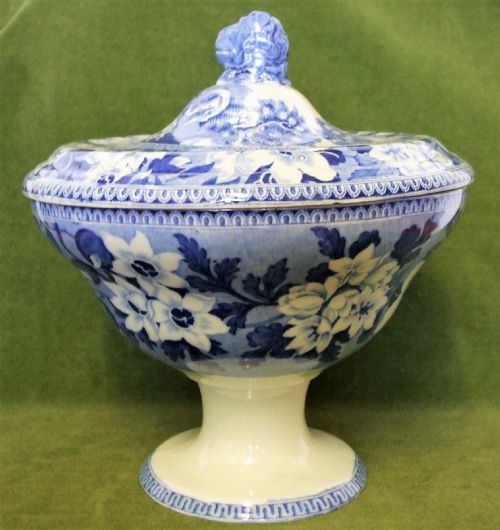
A blue white soup tureen is a covered serving vessel designed for the centre of the dining table, often accompanied by matching covers, stands and ladles. The pieces gathered here span the eighteenth and nineteenth centuries, taking in English earthenware, ironstone and porcelain alongside Chinese export wares.
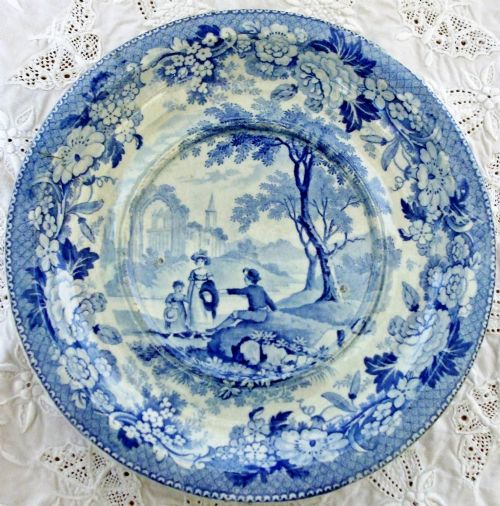
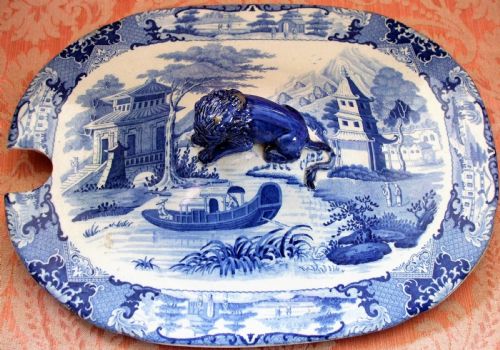
Most examples originate from English potteries influenced by oriental patterns, featuring scenes such as the Canton River, castles and elephants rendered in transfer print. Alongside these sit Chinese export porcelains from the Qianlong period, showing the cross-cultural exchange that shaped dining customs across generations.
How they were made
Potters shaped these vessels using earthenware, ironstone, soft-paste porcelain and standard ceramic bodies, applying cobalt glaze to create deep blue motifs before firing. Many English pieces utilised transfer printing techniques to transfer intricate copperplate engravings onto the clay surface prior to glazing.
Chinese export wares relied on hand-painted cobalt decoration applied directly to the porcelain body before a clear glaze sealed the design. Details like gold leaf occasionally appear on specific porcelain services to accent handles and finials.
Blue White Soup Tureen Retail Price Guide 2026
Typical asking prices for blue white soup tureen among the pieces listed under this phrase on Sellingantiques today, from the lower quarter to the upper quarter. They describe what is for sale here now, not the wider market.
Chinese export porcelain pieces from the Qianlong period appear alongside Staffordshire transfer-printed pottery.
What varies in quality
Quality rests in the crispness of the transfer print or the precision of the hand-painted cobalt lines, alongside the weight and refinement of the ceramic body. Pieces that retain their original covers, stands and matching ladles hold greater integrity than standalone vessels.
The sophistication of the moulded handles, animal finials and foot rims separates standard utility items from higher-status production works. Potteries such as those operated by named makers demonstrate superior control over glazing and kiln temperatures.
Robert Hamilton·John Rogers & Son·J. & R. Clews·Doulton Burslem·Ridgways·Copeland & Garrett
The Blue White Soup Tureen Glossary
- Transfer print
- A decoration technique where an engraved copperplate transfers a design onto paper, which is then pressed onto the ceramic body. This method allowed intricate landscapes and patterns to be reproduced consistently across tableware.
- Ironstone
- A dense, durable type of earthenware patented in the nineteenth century to imitate porcelain. It provides a robust body well suited to heavy serving vessels like soup tureens.
- Soft-paste porcelain
- A ceramic material composed of clay and glass frit, fired at lower temperatures than hard-paste porcelain. It is characteristic of eighteenth-century English factories seeking to replicate Chinese imports.
- Cobalt glaze
- A metallic oxide pigment used under or within the glaze to produce deep blue coloration on ceramics. It withstands high firing temperatures without losing its intensity.
- Qianlong period
- The era of Chinese history from 1736 to 1795 associated with extensive porcelain production for Western export markets. Wares from this time display refined throwing and distinctive blue and white painting styles.
Blue White Soup Tureen: Frequently Asked Questions
What were soup tureens used for?
These covered vessels held and served broth, soup or stews at formal dining tables, keeping the contents warm between servings. The matching ladles allowed hosts to serve portions directly into bowls.
They also functioned as centrepieces that signalled the wealth and taste of the household through their decorative blue and white patterns.
How do I date an antique tureen?
Dating relies on examining the ceramic body, glaze characteristics, maker marks stamped or printed underneath, and stylistic markers of the period. Eighteenth-century pieces often show softer paste bodies and hand-painted motifs.
Nineteenth-century examples frequently employ transfer printing techniques on ironstone or refined earthenware, sometimes accompanied by registry marks that record the exact year of design.
Are these tureens safe for food?
While historic ceramics can technically hold food or liquid, collectors generally treat antique tureens as display items or decorative objects. Historic glazes may contain materials that are unsuitable for modern dietary use.
Gentle hand washing in warm water preserves the fragile glaze and prevents historic crazing from absorbing moisture.
Why do some tureens have stands?
Stands caught drips and protected polished wooden dining tables from the heat of the heavy ceramic vessel resting above it. They formed part of a coordinated service alongside the tureen body, cover and ladle.
Finding a complete set with its original stand significantly enhances the historical completeness of the piece.