





Blue White Imari Ware
Blue white imari ware comprises decorative plates, vases, bowls, and chargers brought from Japan across centuries, offering rich patterns for interiors.
Blue White Imari Ware
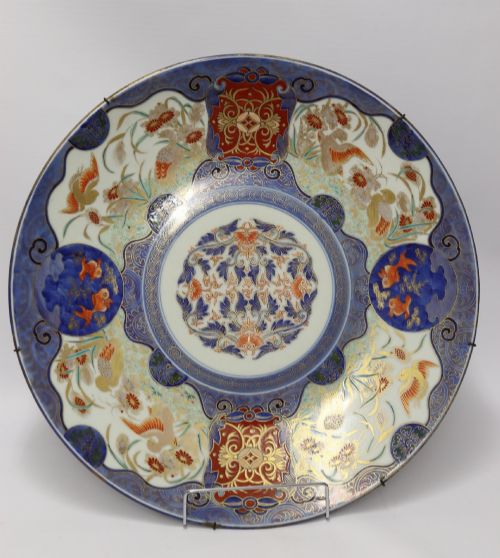
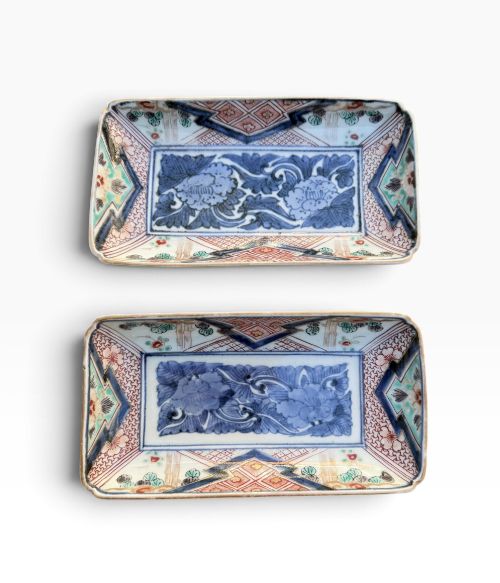
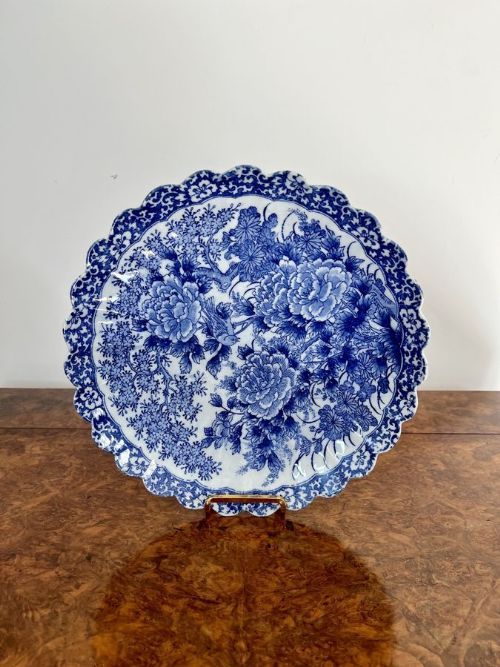
Blue white imari ware encompasses decorative plates, vases, bowls, dishes, jardiniere, and display chargers originating from Japan. Buyers seek these items for their traditional patterns and varied forms spanning several centuries.
The pieces on this page include examples from the seventeenth century, eighteenth century, nineteenth century, and early twentieth century. Common forms involve scalloped edge plates, large chargers, tripod bowls, and lidded vases.
Origins trace directly to Japanese production centres such as Arita during the Edo and Meiji periods. Each form serves primarily as a decorative object for the home, showcasing classic motifs.
How they were made
Makers shaped these items from porcelain, applying cobalt glaze and cobalt underglaze beneath a protective surface. Additional visual detail often came from enamel, enamel glaze, and occasional gold leaf or gilt highlights.
Firing techniques developed in Arita allowed kilns to produce durable porcelain bodies capable of holding intricate painted designs. Painters worked by hand to execute scrolling foliate borders and traditional patterns directly onto the raw or glazed surfaces.
Blue White Imari Ware Retail Price Guide 2026
Typical asking prices for blue white imari ware among the pieces listed under this phrase on Sellingantiques today, from the lower quarter to the upper quarter. They describe what is for sale here now, not the wider market.
Some nineteenth-century vases arrive with their original lids still intact, surviving centuries of household dusting.
What varies in quality
Quality depends on the precision of the cobalt underglaze painting and the crispness of the porcelain form. Superior items display clean lines, well-defined scrolling foliate borders, and balanced proportions.
The application of enamel and gilt highlights influences the overall visual depth of the piece. Stronger examples maintain clarity in both the blue underglaze work and any secondary colour details.
The Blue White Imari Ware Glossary
- Imari
- A type of Japanese porcelain originating from the port of Imari, produced in Arita. These wares gained widespread recognition for their distinctive painted decoration.
- Arita
- The Japanese town central to porcelain production for the region. Kilns here supplied much of the export and domestic output.
- Cobalt Underglaze
- A blue pigment applied to pottery before glazing and firing. This method ensures the colour remains permanent and protected beneath the glassy surface.
- Charger
- A large decorative plate intended for display rather than dining use. Chargers often feature complex central motifs surrounded by dense borders.
- Edo Period
- A period in Japanese history spanning from the seventeenth to the nineteenth century. Production during this time established many enduring stylistic norms.
Blue White Imari Ware: Frequently Asked Questions
What is blue white imari ware?
Blue white imari ware is Japanese porcelain featuring painted blue designs, often originating from Arita during the Edo and Meiji periods.
These pieces include plates, bowls, vases, and large chargers designed for decorative display.
How were these pieces used?
These items served primarily as decorative objects within homes, displayed on surfaces or hung on walls.
Larger chargers and jardiniere functioned as centrepieces for interior decoration, while smaller dishes held small items.
How do I date an imari piece?
Dating relies on stylistic clues, potting techniques, and the specific characteristics of the blue underglaze and body.
Pieces from the seventeenth century often show heavier Arita potting, while later nineteenth and twentieth-century examples display different brushwork styles.
Where was imari ware made?
Imari ware was produced in Japan, specifically centred around the kilns of Arita in Hizen province.
Finished items travelled through the port of Imari for shipping, which gave the porcelain its common trade name.
How should I display them?
Display these wares on stable surfaces, plate stands, or wall mounts designed for heavy porcelain chargers.
Keep them away from areas of high traffic to prevent accidental knocks against the scalloped edges.