


Blue White Desk Accessory
A blue white desk accessory brings the crisp cobalt and white of historical ceramic traditions directly to the writing table.
Blue White Desk Accessory
A blue white desk accessory encompasses writing equipment and desktop items fashioned in cobalt and white ceramic, porcelain, faience, and earthenware. When you search for this phrase, you encounter practical items designed for historical writing tasks, including inkwells, inkstands, quill holders, and scholar's brush pots.
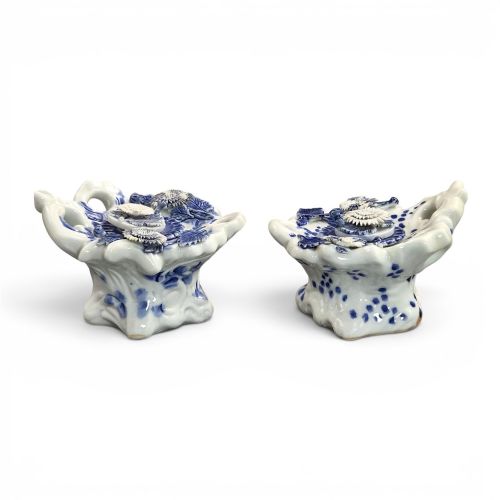
The selections span diverse origins, bringing together Dutch Delftware, French faience, Japanese porcelain, Chinese scholar's pieces, and Victorian Staffordshire figures. The most frequent forms on this page are inkwells and inkstands intended to hold liquid ink and writing implements upon a desk.
The pieces reach across several periods, stretching from the late seventeenth century through the Victorian era and into the early twentieth century. Each object reflects the specific domestic or scholarly writing habits of its period, whether it is a Chinese brush pot or a Victorian Staffordshire dog with a basket.
Materials and Construction
The foundation of these pieces relies on ceramic, porcelain, earthenware, and tin-glazed faience, decorated with cobalt underglaze pigments. Artisans applied these blue pigments directly to the ceramic body before firing, often securing the vibrant colour beneath a clear protective glaze.
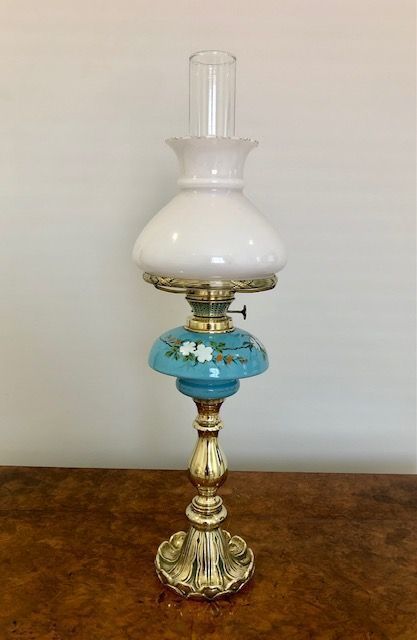
Metal components frequently complement the ceramics, incorporating brass stands and fittings to support the inkwells and oil lamps. Firing techniques varied widely across the workshops of China, Japan, Europe, and Britain, producing everything from delicate translucent porcelain to robust tin-glazed earthenware.
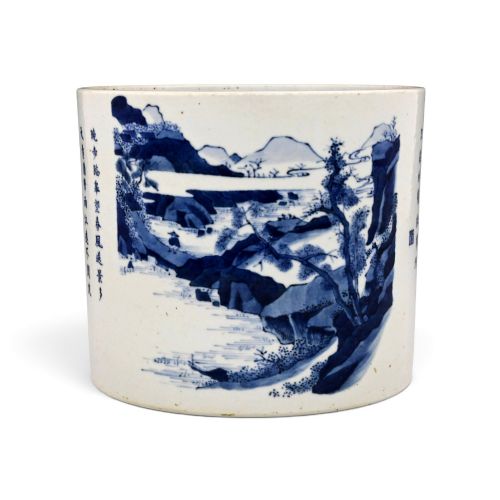
The selection includes traditional Chinese scholar's brush pots alongside Dutch Delft inkstands and Victorian Staffordshire animal figures.
Evaluating Quality and Execution
The distinction between standard items and superior examples lies in the crispness of the cobalt painting and the control of the underglaze brushwork. Finer pieces display precise botanical, figurative, or narrative scenes executed with great confidence by the painter.
Material refinement and the successful integration of mixed media, such as fitted brass stands supporting ceramic vessels, also define the upper tier of the range. The weight of the ceramic body and the smoothness of the glaze surface further indicate the care taken during production.
The Blue White Desk Accessory Glossary
- Tin-Glazed Earthenware
- Pottery covered with a tin-opacified glaze that turns white and opaque upon firing. This surface provided a smooth white ground for painting cobalt blue designs.
- Cobalt Underglaze
- A blue pigment applied to ceramic pieces before the final glaze and firing. It withstands high temperatures without losing its intense colour.
- Faience
- European tin-glazed earthenware produced in imitation of imported Chinese porcelain. French and Dutch workshops mastered this technique extensively.
- Inkstand
- A complete desktop tray or stand designed to hold inkwells, sanders, and quill pens together. These often incorporated integrated pen rests and multiple containers.
- Bitong
- A cylindrical scholar's brush pot used in traditional Chinese studies to hold writing brushes. They were carved from wood, bamboo, or formed in porcelain.
Blue White Desk Accessory: Frequently Asked Questions
What is a blue white desk accessory?
A blue white desk accessory is a functional desktop object made from ceramic, porcelain, or faience decorated in cobalt blue and white. These items include inkwells, inkstands, quill holders, and brush pots.
Such pieces were essential tools for writing and calligraphy in studies, offices, and drawing rooms across centuries. They combined practical utility with decorative ceramic artistry.
How were ceramic inkwells used?
Ceramic inkwells held liquid ink safely on a desktop while writers dipped their quill pens or metal nibs during correspondence and record keeping. Many featured small internal wells to contain the ink and prevent spills.
Desk stands and inkstands often gathered multiple accessories together, including sanders for drying ink and holders for spare pens. They remained central to writing desks until the widespread adoption of the fountain pen.
How do I date a Delft inkwell?
Dating a Delft inkwell involves examining the characteristics of the tin glaze, the tone of the cobalt blue, and the painting style. Earlier pieces often show specific stylistic traits associated with seventeenth and eighteenth-century Delftware production.
Markings on the base, where present, can also indicate the pottery or workshop. Comparing the decorative motifs, such as Watteau scenes or floral patterns, helps narrow the production period.
How do I care for antique ceramic desk pieces?
Antique ceramic desk pieces require gentle handling and cleaning with dry or slightly damp cloths to protect the glaze and painted surfaces. Avoid harsh chemical cleaners that might damage the tin glaze or exposed brass mounts.
Keep them away from direct sources of extreme heat and secure them firmly on the desk to prevent accidental knocks. Regular dusting preserves the cobalt decoration and the integrity of the ceramic body.