



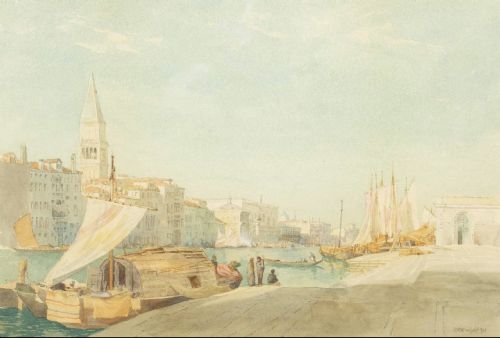
Blue Watercolour Paper Painting
A blue watercolour paper painting captures light and atmosphere through fluid pigment on cellulose, offering buyers an intimate piece of historic domestic art.
Blue Watercolour Paper Painting
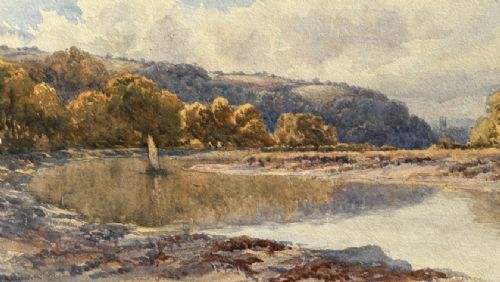
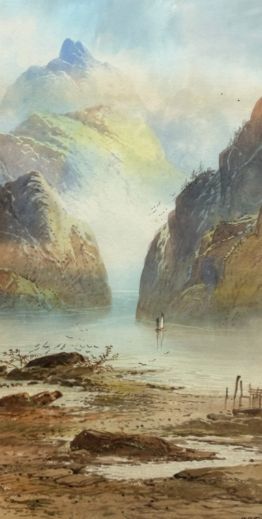
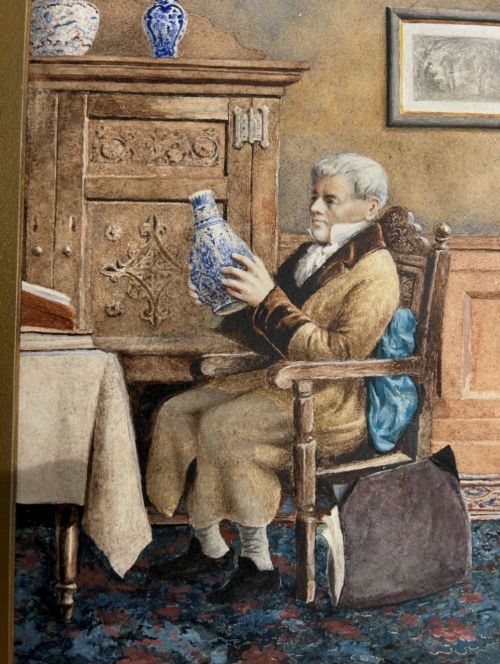
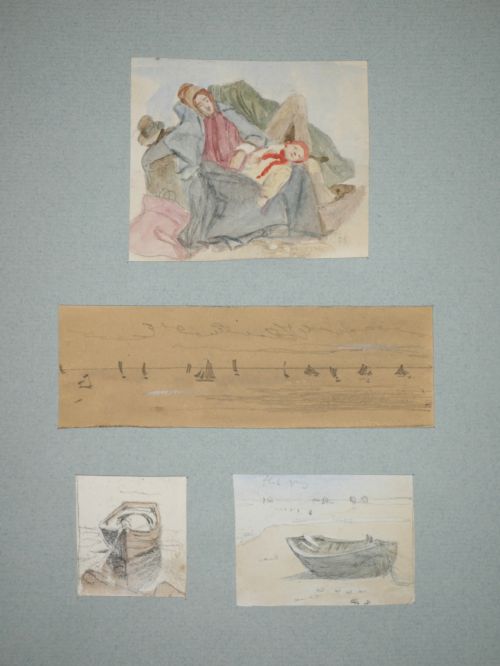
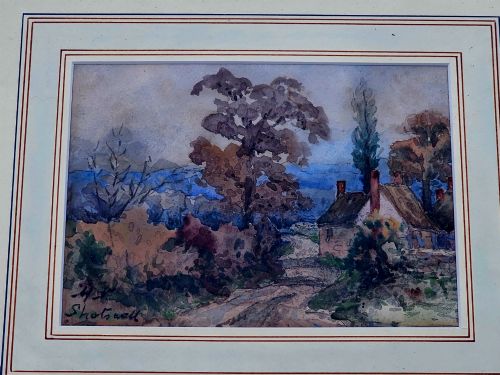
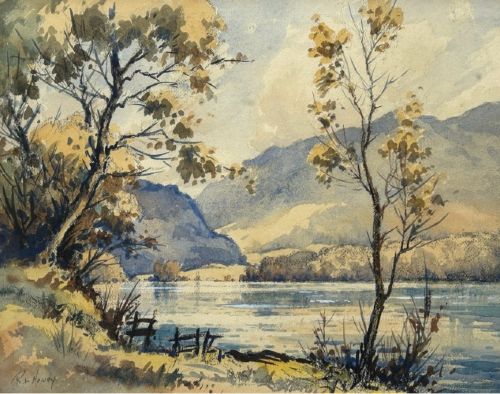
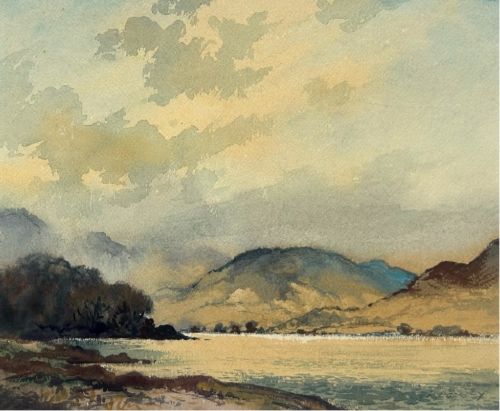
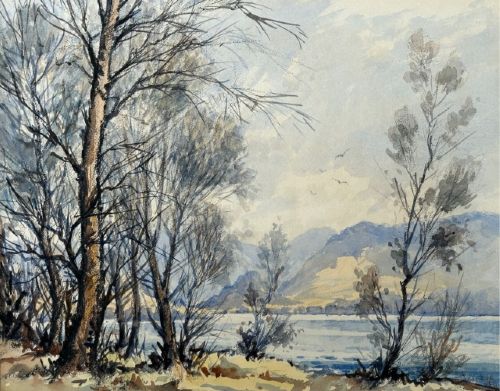
A blue watercolour paper painting encompasses landscape, marine, and figurative subjects produced across the nineteenth and twentieth centuries by British and European artists. Buyers searching this phrase encounter works executed directly on paper sheets or card supports, utilising the inherent tone of the ground or washes of blue pigment to establish mood, weather, and twilight effects.
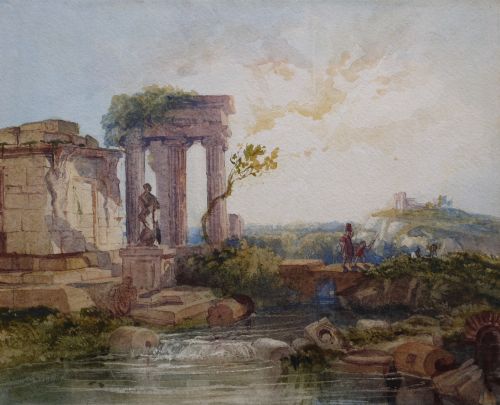
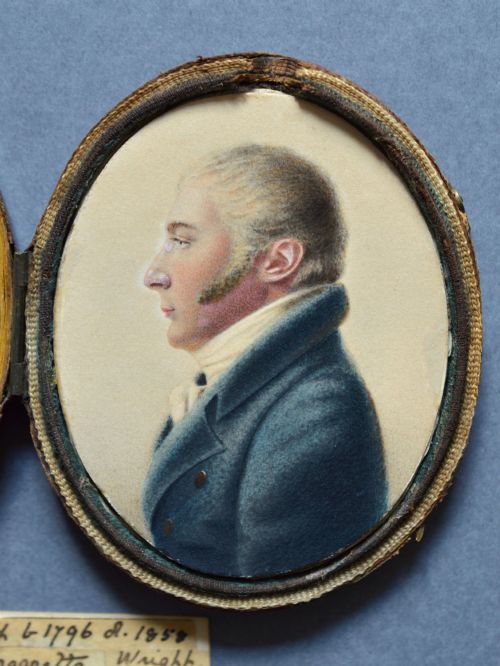
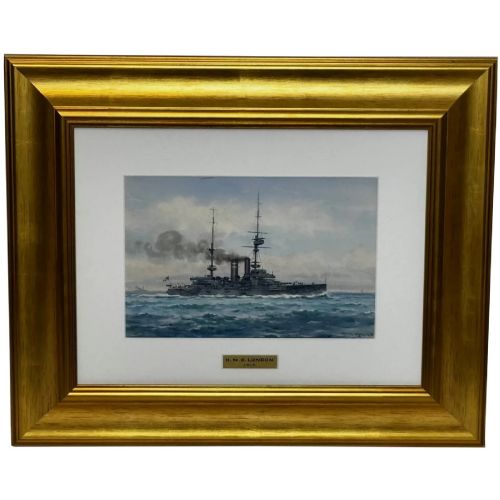
The selections span distinct periods from nineteenth-century romanticism through Edwardian impressionism to mid-century modernism. Marine scenes featuring coastal shipping, harbour views, and tranquil river valleys dominate the visual record, alongside architectural studies and intimate portraiture.
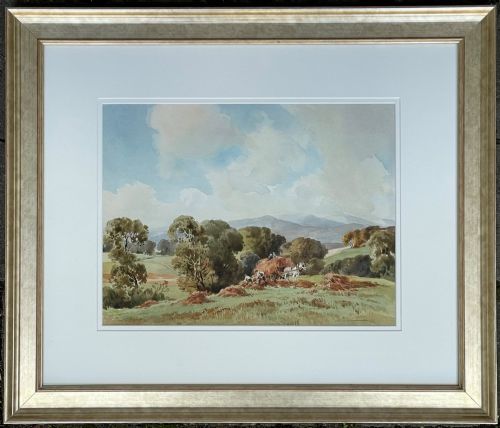
Most examples arrive framed behind glass in traditional wood mouldings that protect the fragile paper substrate from ambient moisture and handling damage. These works function equally as focused cabinet pieces or primary wall art within domestic interiors.
How they were made
Watercolour pigment relies on finely ground coloured minerals and organic compounds bound in water-soluble gum arabic, applied with soft animal hair brushes to absorbent paper sheets. Artists manipulate transparency and density by controlling the water ratio, allowing underlying paper tones to illuminate the composition.
Supplementary media such as ink lines, pencil underdrawings, and occasional touches of bodycolour provide structural definition and highlights. Protective framing utilises timber surrounds and glass glazing to seal the delicate paper surface from atmospheric pollutants.
Several Victorian artists painted seascapes while strapped to boat masts to maintain steady balance during rough North Sea squalls.
What varies in quality
The primary distinction rests in brushwork confidence, compositional balance, and the artist's ability to capture transient light with minimal pigment applications. Superior examples demonstrate economy of line and atmospheric depth where the paper surface breathes through the wash.
Condition heavily influences standing, as prolonged exposure to direct sunlight causes fugitive pigments to fade and acidic mounts to discolour the paper. Works retaining their original tonal contrast and stable paper integrity command greater appreciation among collectors.
James Orrock·William Henry Earp·Percy Lancaster·Frank Watson Wood·Edward Seago
The Blue Watercolour Paper Painting Glossary
- Watercolour
- A painting method where paint is made of pigments suspended in a water-based solution. The technique relies on translucent washes that allow the white or tinted paper surface to reflect light back through the pigment layers.
- Wash
- A thin, fluid layer of diluted pigment spread evenly across paper. Artists use this technique to create expansive skies, flat water surfaces, or subtle atmospheric gradients.
- Bodycolour
- Watercolour mixed with a white pigment such as chalk to make it opaque. This addition creates solid highlights and dense opaque passages that sit on top of transparent washes.
- Gouache
- An opaque water-based medium similar to bodycolour. It offers heavier coverage and a matte finish compared to standard transparent watercolour pigments.
- Provenance
- The documented history of ownership of an artwork. A clear chain of custody verifies authenticity and establishes historical context for the piece.
Blue Watercolour Paper Painting: Frequently Asked Questions
How should I hang a paper painting?
Position works away from direct sunlight and high-humidity areas such as kitchens and bathrooms to prevent pigment fading and paper degradation.
Ensure frames are securely fastened with picture wire to wall studs, maintaining a stable indoor environment for long-term preservation.
Are these paintings signed by the artist?
Many examples feature original artist signatures or monograms inscribed directly onto the lower corners of the sheet. Attribution for unsigned pieces relies on stylistic comparison, historical records, and gallery documentation.
Examine the margins and reverse of the paper for handwritten titles, dates, or studio stamps that provide additional context regarding the creator.
What framing do these watercolours require?
Traditional framing incorporates acid-free window mounts that prevent the paper from touching the protective glass surface directly. This spatial buffer stops moisture condensation from adhering the delicate pigment layer to the glazing.
Wooden mouldings complete the assembly, sealed at the reverse to block dust and insect ingress while preserving internal air stability.
How do I identify nineteenth-century watercolours?
Nineteenth-century works typically employ heavyweight rag paper stocks featuring watermark identifiers, hand-mixed earth pigments, and distinctively detailed brushwork. Subject matter often reflects romantic landscape conventions or maritime documentation from the period.
Examination under magnification reveals the fibrous texture of handmade paper and the characteristic granularity of early pigment formulations.