

Blue Watercolor Painting
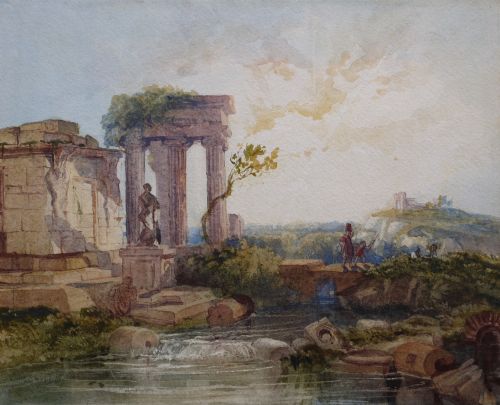
When you search for a blue watercolor painting, you find works executed on paper or fabric across the nineteenth and twentieth centuries.
Blue Watercolor Painting
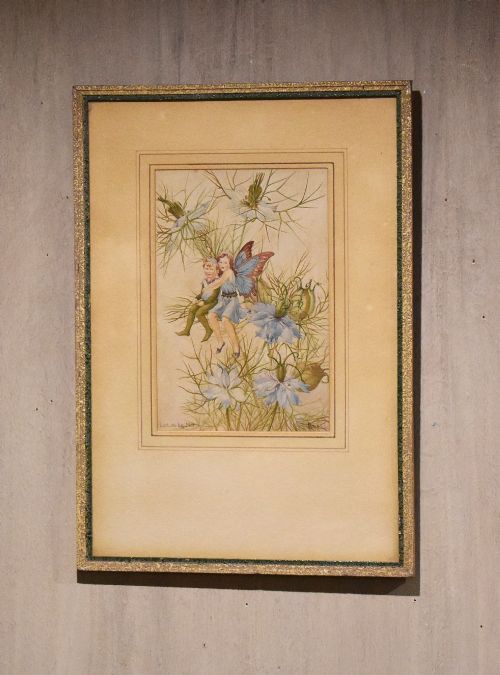
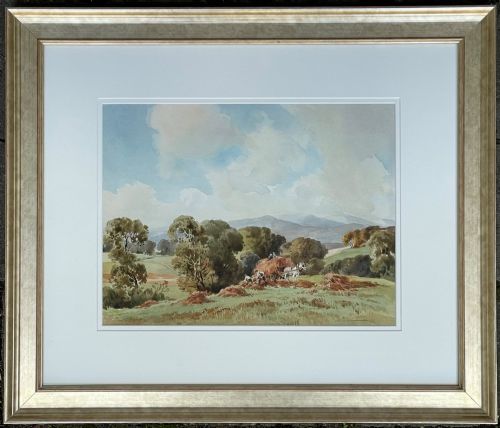
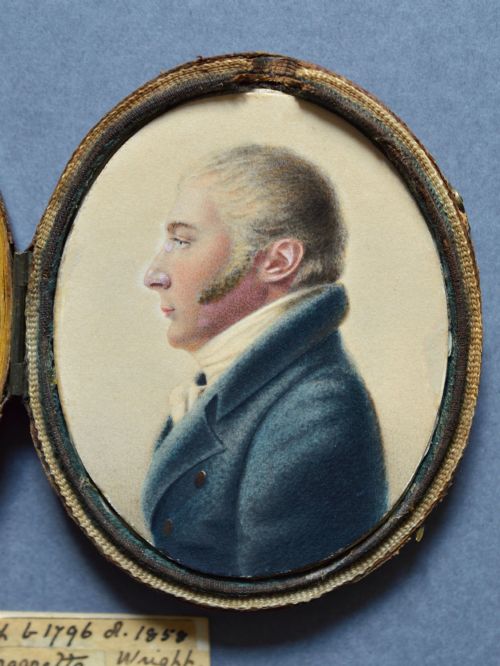
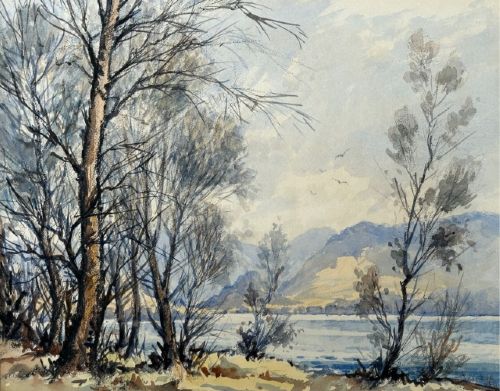
A blue watercolor painting encompasses landscape, marine, and portrait subjects executed in watercolour pigment on paper, occasionally appearing on fabric. These works span periods from the Georgian era through the Edwardian period to the mid-twentieth century.
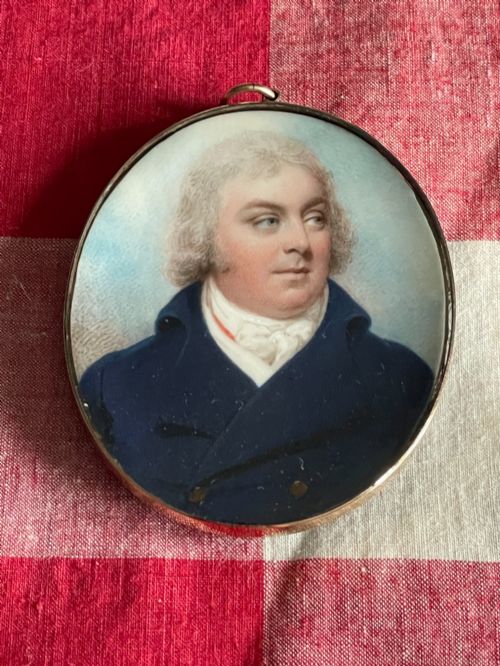
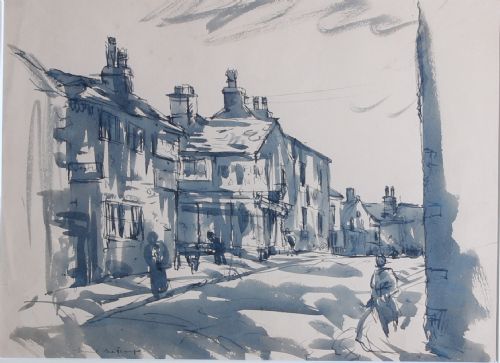
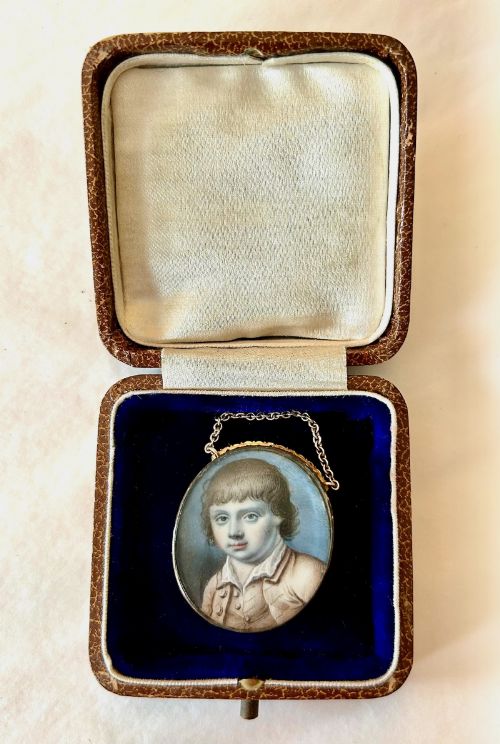
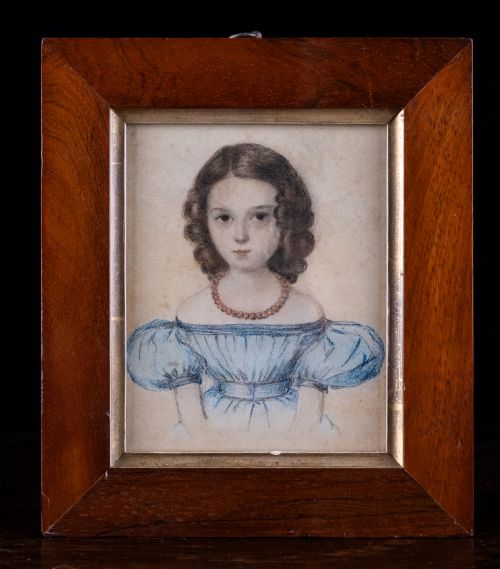
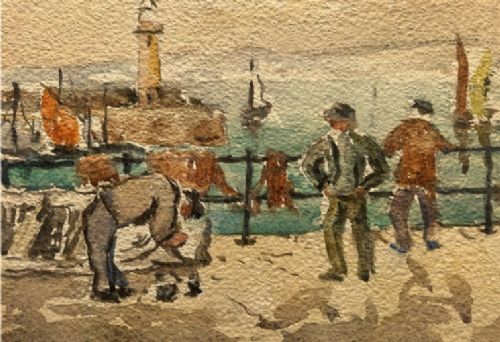
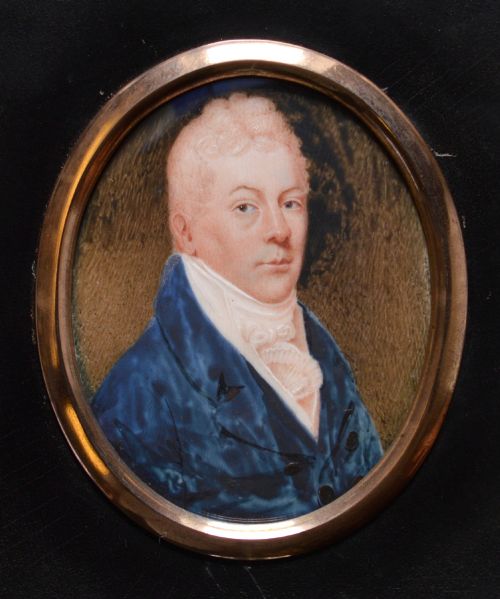
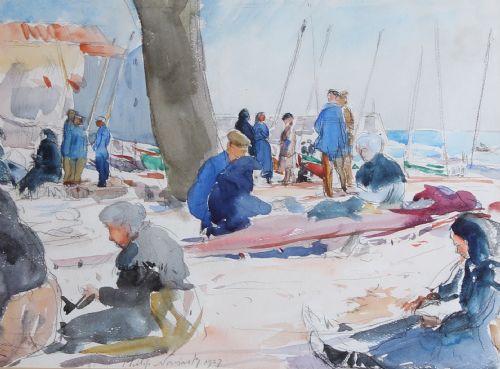
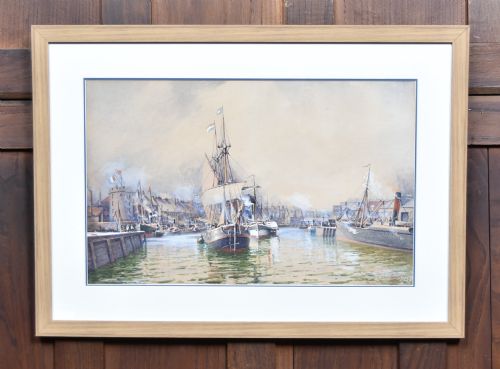
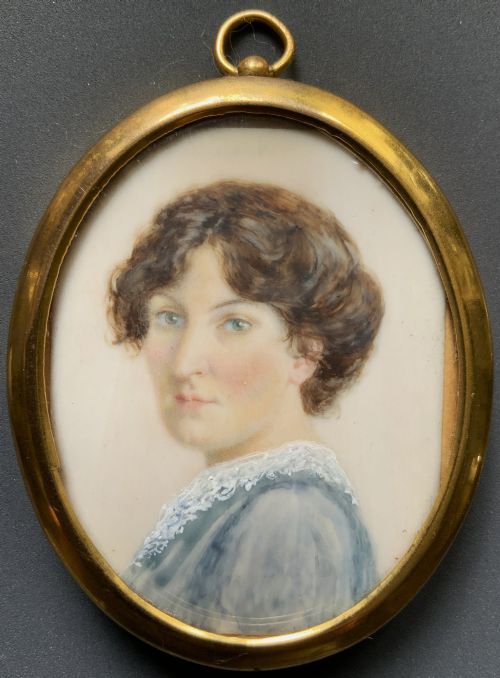
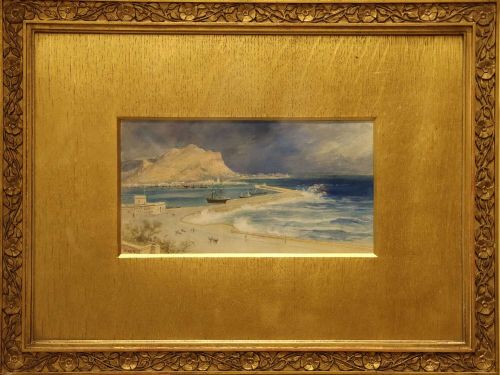
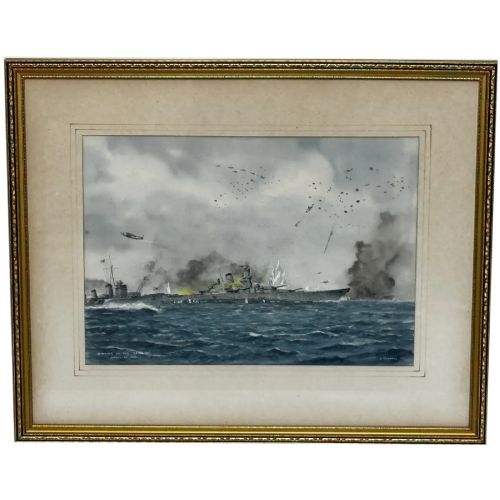
The selections available include maritime scenes of harbours and coastal views, topographical river landscapes, and delicate portrait miniatures. Many examples bear signatures or attributions to named British artists from the nineteenth and early twentieth centuries.
How they were made
Artists applied watercolour pigment and ink directly onto prepared paper or occasionally fabric, utilising the white of the ground to impart luminosity. Works are frequently preserved behind glass within wooden frames, sometimes retaining gilt wood surrounds.
Pigments were handled with varying degrees of transparency to capture atmospheric effects in landscape and marine subjects. Detail work in portrait miniatures required fine brushes and controlled application on paper or ivory supports.
Blue Watercolor Painting Retail Price Guide 2026
Typical asking prices for blue watercolor painting among the pieces listed under this phrase on Sellingantiques today, from the lower quarter to the upper quarter. They describe what is for sale here now, not the wider market.
Framed watercolor paintings span British Impressionism, Victorian maritime scenes, and early twentieth-century landscapes.
What varies in quality
Control of pigment and water determines the success of atmospheric effects, particularly in expansive skies and open water views. Strong composition and assured brushwork distinguish accomplished professional output from amateur sketches.
Preservation of the paper support and vibrancy of the pigment affect overall condition. The retention of original framing materials and legible signatures or documentation add to the historical record of a piece.
Philip Naviasky·Marjorie L Davies·William Woolard·William Taylor Longmire·David Law·Thomas Miles Richardson Jnr·James Orrock·William Henry Earp·William Cannon·Richard Principal Leitch·Alfred Young Nutt·Percy Lancaster·Henry Stacy Marks·James Smetham·John Hassall·Edward Bradford·Thomas John Horsley·Charles Shirreff·Robert Leslie Howey·John E Aitken·Eric Tufnell·William Banks Fortescue·Frank Watson Wood·Thomas William Morley·Richard Cosway
The Blue Watercolor Painting Glossary
- Watercolour
- A painting method in which the paints are made of pigments suspended in a water-based solution. The paper surface often remains visible to reflect light through translucent washes.
- Portrait Miniature
- A small, highly detailed painting, typically executed on ivory or vellum during the Georgian and Victorian eras. These intimate works required precise technique and magnifying glasses.
- Maritime
- Pertaining to the sea, shipping, and coastal views. Such subjects formed a major category of nineteenth-century British watercolours.
- Provenance
- The chronological history of the ownership of a work of art. Documented origins help confirm attribution and authenticity.
Blue Watercolor Painting: Frequently Asked Questions
How do I care for antique watercolours?
Keep works out of direct sunlight to prevent fading of the delicate pigments. Ensure they are hung in stable humidity conditions behind appropriate glass.
Professional framing with acid-free mounts protects the paper from degradation over time. Avoid damp environments which can cause foxing spots on the paper.
What periods do these paintings cover?
The selection spans from the eighteenth century through the Victorian and Edwardian eras into the mid-twentieth century. Nineteenth-century works form a substantial portion of the available items.
Earlier pieces often comprise portrait miniatures, while landscape and marine watercolours are well represented across the Victorian period.
Are these paintings usually signed?
Many examples bear artist signatures, monograms, or contemporary attributions written on the front or verso. Signed works by recorded painters offer clearer biographical context.
Unsigned watercolours also appear frequently, often attributed through style, subject matter, or nineteenth-century framing conventions.
What subjects are most common?
British and European coastal views, fishing boats, and harbour scenes recur frequently in the maritime works. River landscapes and topographical scenes from Scotland and the Lake District also appear regularly.
Portrait miniatures and figurative classical scenes provide an alternative focus within the wider selection of works on paper.