





Blue Vintage Runner
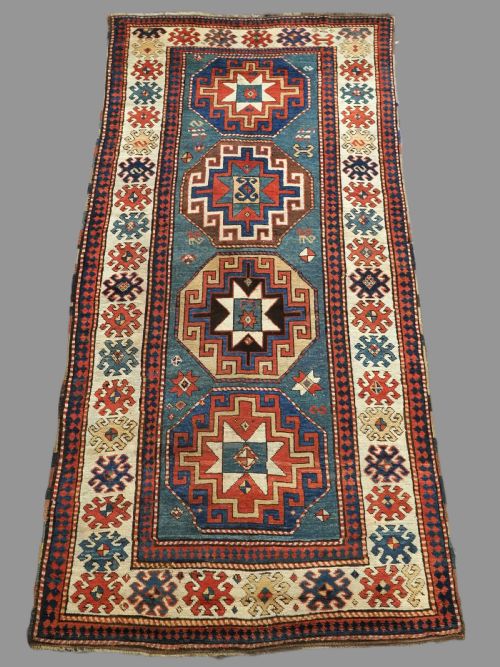
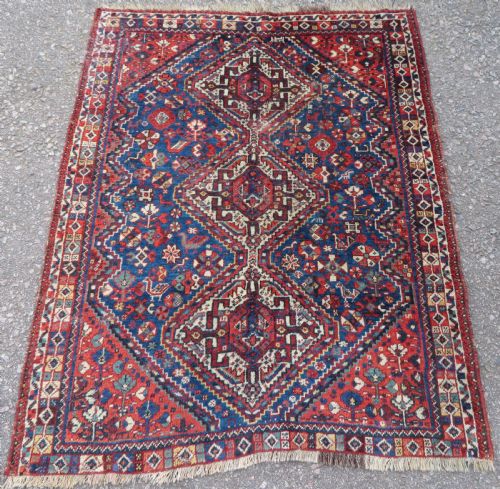
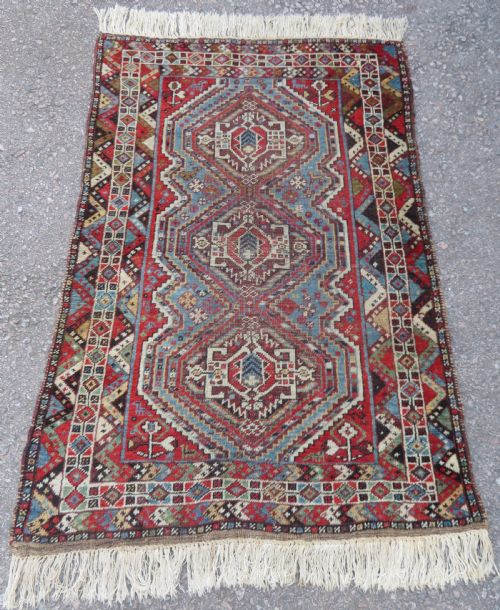
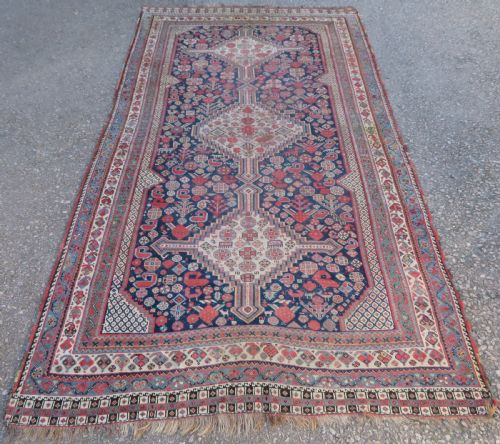
When you search for blue vintage runner, you uncover long, narrow floor coverings woven by tribal and village makers across Persia, the Caucasus, and Anatolia.
Blue Vintage Runner
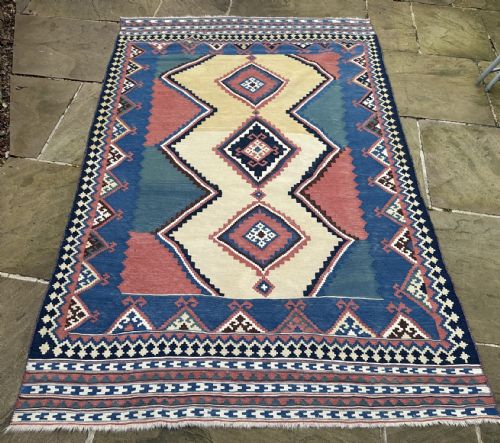
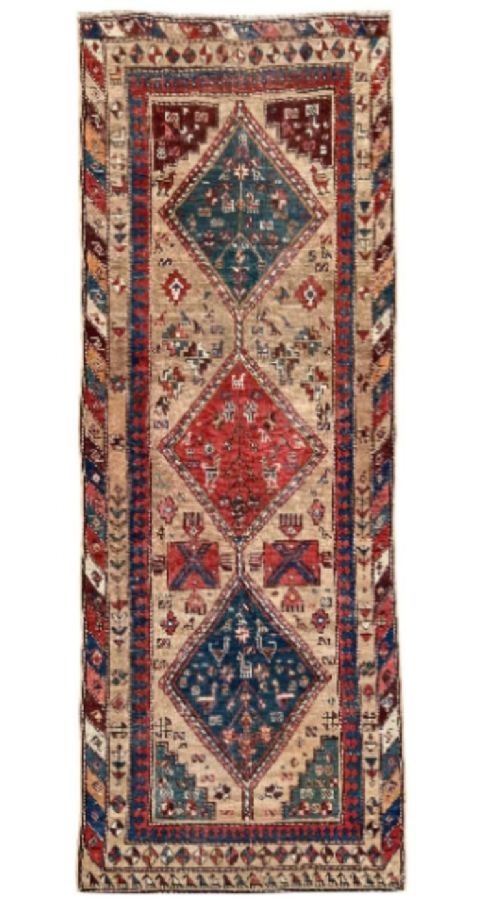
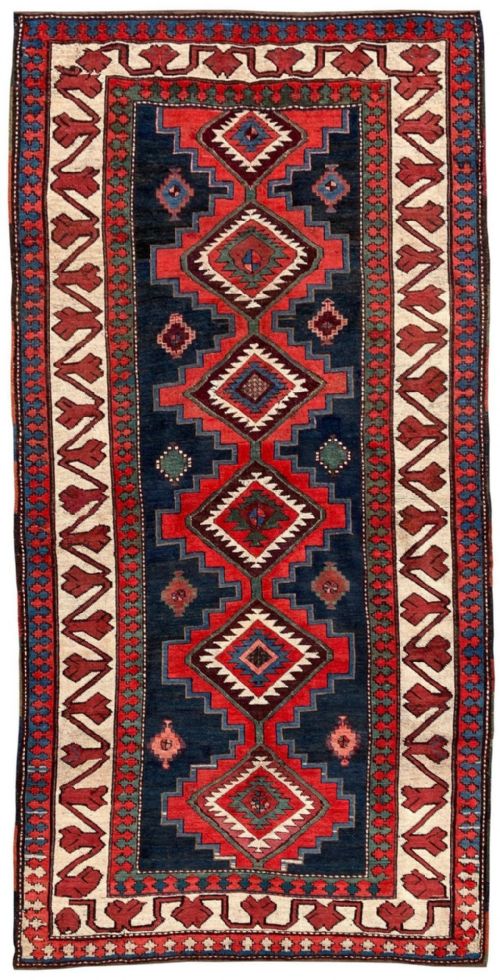
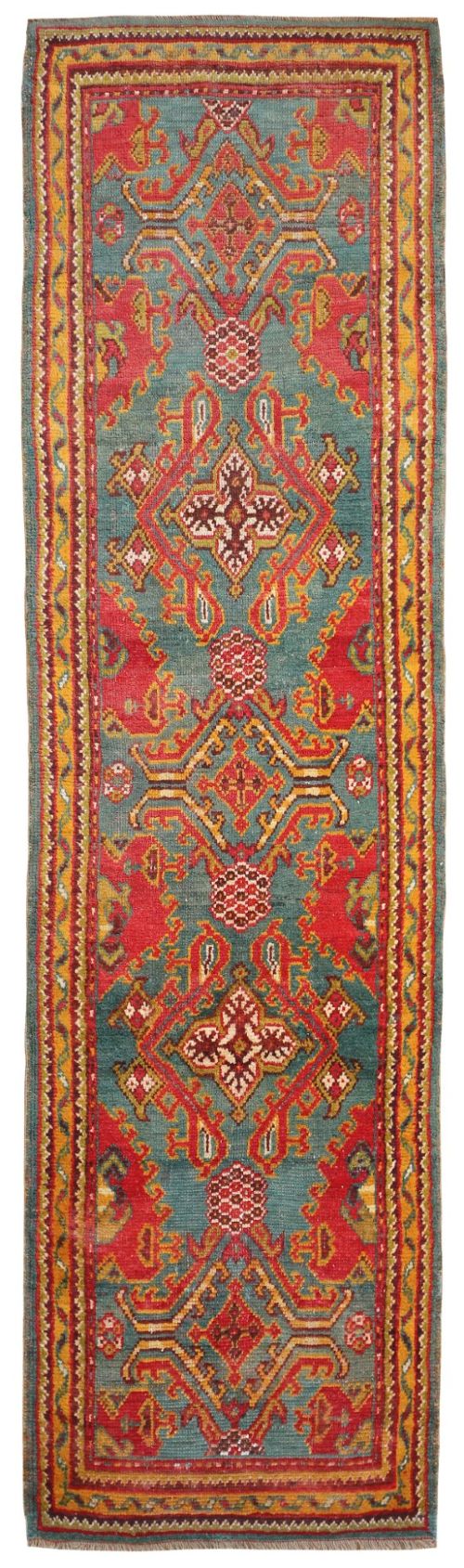
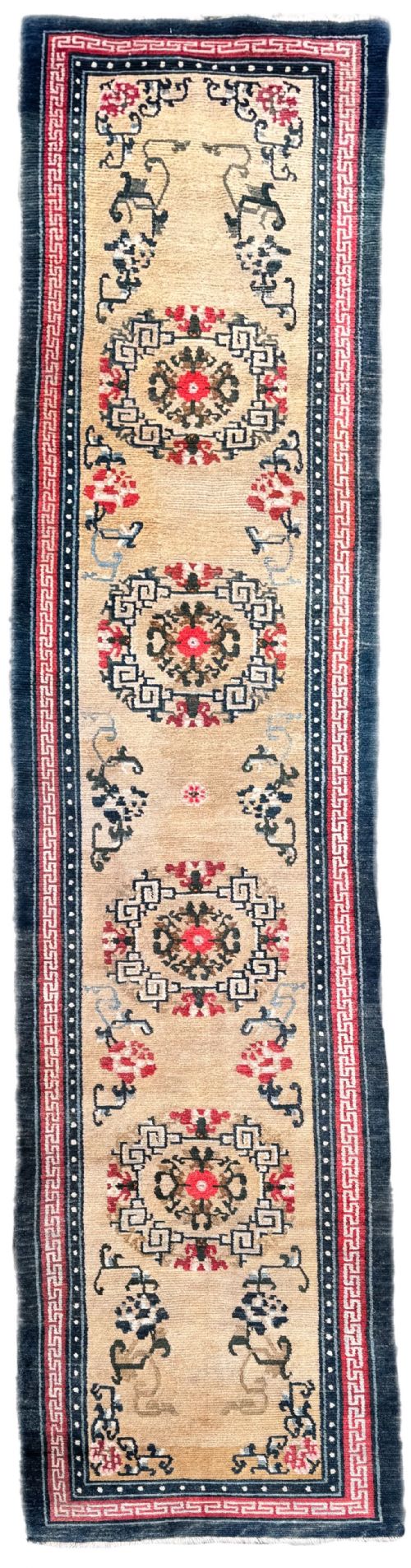
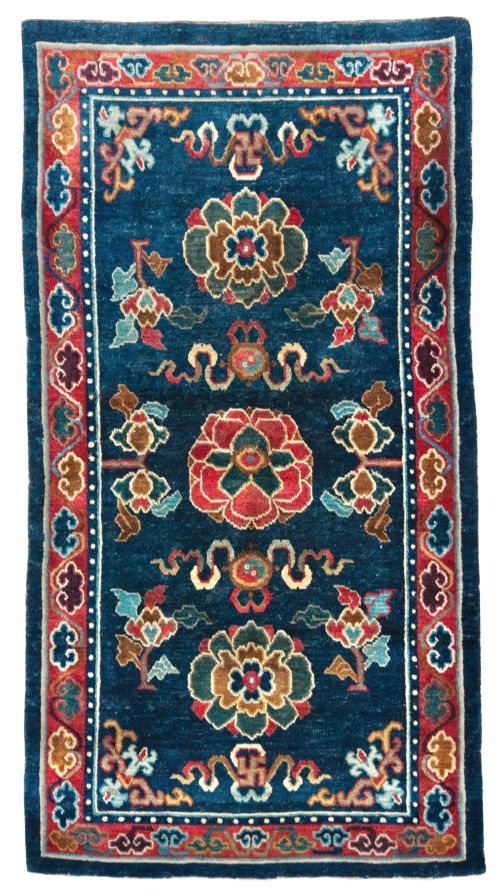
When searching for a blue vintage runner, collectors encounter narrow formats designed for hallways, corridors, and long spaces. These pieces emerge from Persian, Caucasian, and Anatolian traditions, spanning the nineteenth and early twentieth centuries.
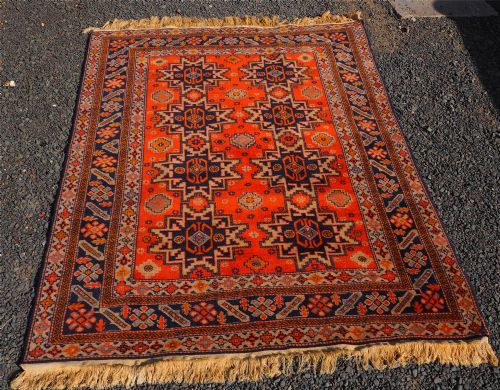
The selection includes specific regional types such as Caucasian Kazak, Talish, and Kurdish long runners, alongside Persian and Anatolian formats. Each piece reflects the distinctive weaving practices of its origin, shaped by tribal and village workshops.
Makers utilised traditional formats suited for linear spaces, yielding long and narrow proportions that distinguish them from square carpets. The evidence shows formats originating from regions like the Caucasus, West Persia, and Turkey, dated from the eighteen-fifties through the nineteen-thirties.
Materials and construction
The construction relies fundamentally on wool, often hand-spun, combined with cotton foundations depending on the regional workshop. Weavers utilised natural dyes to achieve the varied colour palettes seen across Caucasian and Persian pieces.
Tribal methods involve dense knotting on vertical looms, creating resilient surfaces capable of withstanding heavy hallway traffic. The integration of hand-spun wool and natural colourants gives these runners their characteristic tactile depth and structural integrity.
Certain runners possess subtly irregular widths, proving that nineteenth-century village weavers measured spaces by eye rather than with a ruler.
Gradations in quality
Quality rests in the precision of the weave, the complexity of the lattice or tribal design, and the integrity of the wool. Finer pieces demonstrate tighter knot densities and superior handling of natural dyes.
The condition of the pile and the retention of original borders influence the standing of a runner. Pieces that maintain their structural stability alongside rich, undiluted colour palettes represent the higher tier of the range.
The Blue Vintage Runner Glossary
- Runner
- A long, narrow carpet format traditionally utilised in hallways and corridors. These pieces measure significantly longer than they are wide.
- Kazak
- A style of rug originating from the Caucasus, known for bold geometric motifs and strong primary colours. These pieces are woven by tribal communities.
- Natural Dyes
- Colourants derived from plant, insect, and mineral sources rather than synthetic chemicals. They age with a characteristic softening of tone.
- Kelim
- A flat-woven carpet or runner produced without a pile. These pieces rely on interlocking weft threads to form geometric patterns.
- Khamseh
- A confederation of five tribes in South Persia known for producing distinctive tribal rugs. Their work frequently incorporates dark blue fields and intricate small-scale motifs.
Blue Vintage Runner: Frequently Asked Questions
Where should I place a runner?
These long formats suit narrow transition spaces such as hallways, corridors, and gallery landings. They provide functional floor coverage while defining linear areas.
Positioning a runner in a hallway protects high-traffic floorboards while adding traditional character and texture to domestic interiors.
How do I care for wool runners?
Regular gentle vacuuming without a rotating beater bar prevents dust accumulation within the wool pile. Professional cleaning suited for antique textiles preserves the natural fibres.
Avoiding direct, prolonged sunlight protects the natural dyes from fading and maintains the depth of the blue tones over time.
How are regional styles identified?
Regional identification relies on observing specific geometric motifs, border arrangements, and structural characteristics unique to areas like the Caucasus or Persia. Tribal pieces often feature characteristic local palette choices and symbols.
Comparing knot structure and wool preparation helps confirm the geographical origin of nineteenth and early twentieth-century examples.
What defines a vintage age?
Pieces categorised within this span date from the nineteenth century through the early decades of the twentieth century. This era encompasses traditional hand-knotting methods before widespread synthetic dye adoption.
Age is determined through material analysis, structural examination, and stylistic comparison with documented regional weaving traditions.