


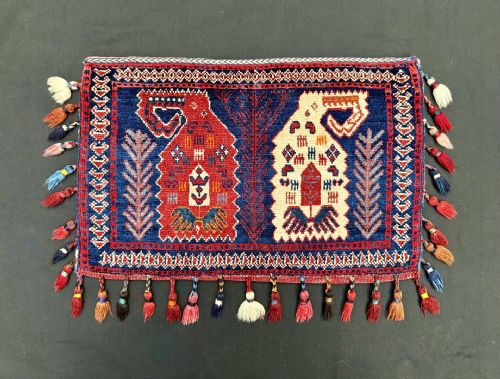


Blue Tribal Pouch
A blue tribal pouch brings nomadic textile art straight into your home, offering rich geometric patterns and tangible history from Persian and Central Asian steppes.
Blue Tribal Pouch
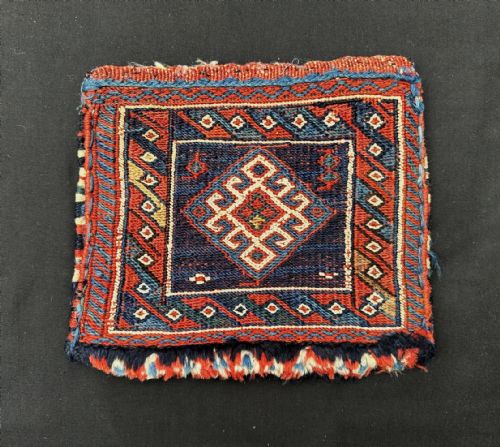
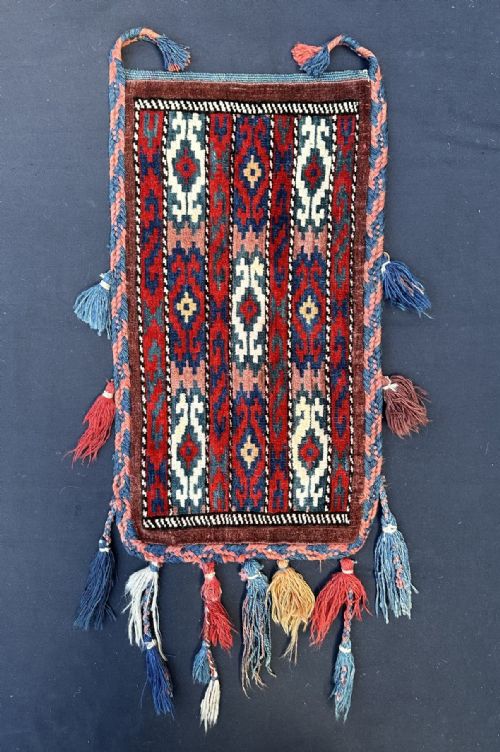
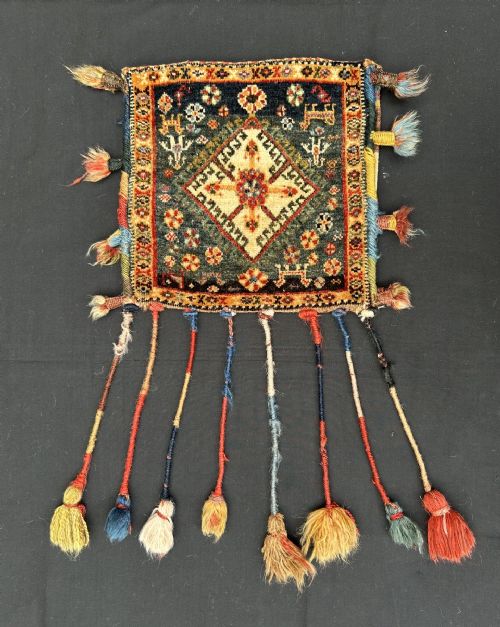
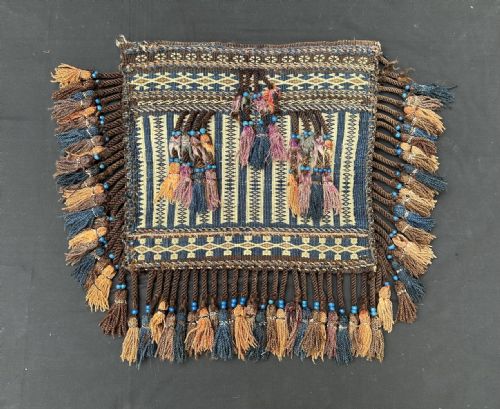
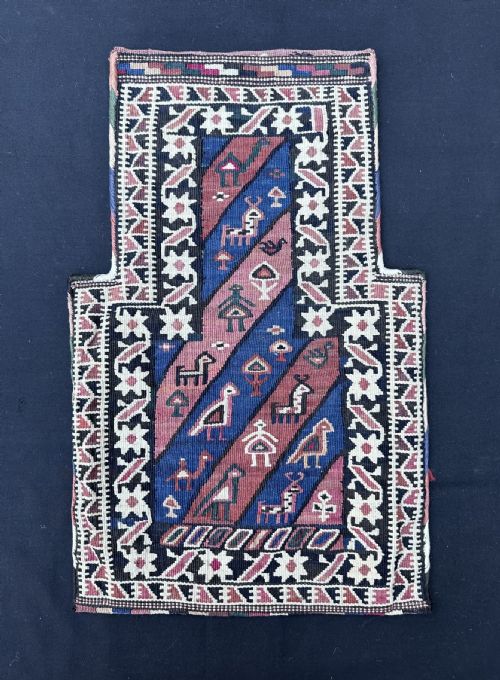
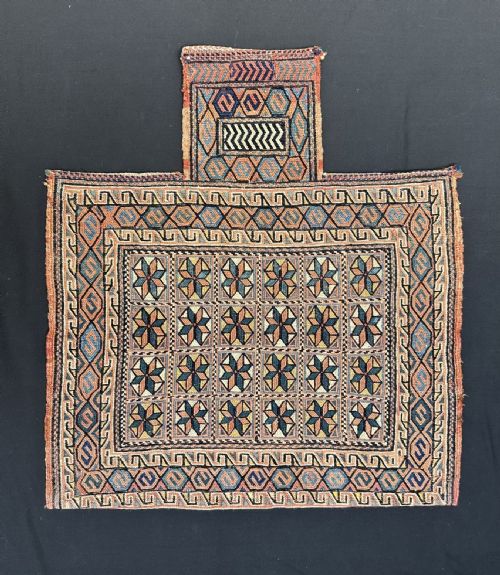
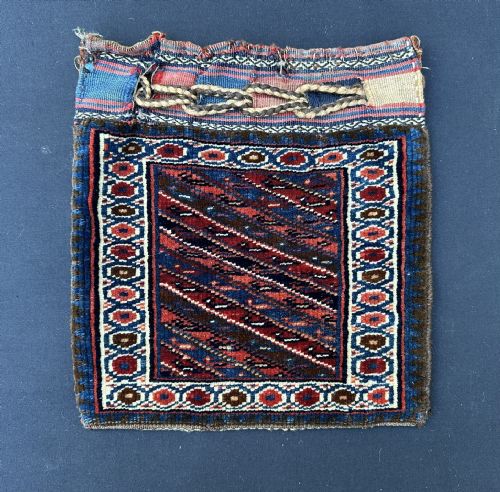
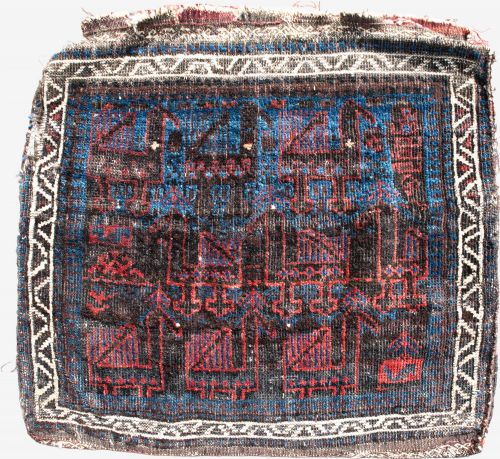
A blue tribal pouch is a utilitarian nomadic textile created by various tribal groups across Persia, Afghanistan, and Central Asia. These items encompass specific forms such as vanity-bags, salt-bags, spindle-bags, and half saddle-bags originating from tribal confederacies like the Afshar, Yomut, Baluch, and Qashqa'i. The examples encountered here span from the mid-nineteenth century through the early twentieth century, reflecting a distinct heritage of nomadic weaving traditions.
The practical function of these bags determined their compact size and durable construction, designed for life on the move. Weavers produced them for specific domestic or utilitarian tasks, utilising distinctive regional motifs and formats that identify their tribal origins. Collectors find everything from complete pairs of kilim bags to individual bird bags and storage pieces created by distinct sub-tribes and clans.
Materials and construction methods
The primary material used across these pieces is hand-spun wool, often combined with cotton foundations and natural dyes to achieve deep indigo and blue tones. Artisans utilised traditional weaving techniques, including soumak work and plain weave structures, which provided the necessary strength for carrying salt, spindles, or personal items. Glass beads occasionally appear as decorative additions to the textile surface.
Nomadic weavers relied on locally sourced materials processed entirely by hand before the loom. The integration of natural dyes ensures that the blue hues age with a distinct patina over decades of exposure and use.
Materials documented across these nomadic textiles include wool, cotton, natural dyes, and glass beads.
Distinguishing quality in tribal bags
The distinction between standard and exceptional pieces rests upon the precision of the weave and the complexity of the tribal iconography. Finer examples display tightly packed knots or precise soumak work, alongside well-balanced natural dye palettes that give the indigo grounds remarkable depth.
Structural integrity and the survival of original plain weave backs or complete paired formats also elevate a piece. The clarity of specific tribal attributions and the condition of the hand-spun wool fibres further define the upper tier of these nomadic textiles.
The Blue Tribal Pouch Glossary
- Soumak
- A flatweave technique where pattern wefts are wrapped over the warp threads before passing back, creating a textured surface resembling embroidery. This method adds considerable durability to utility bags.
- Salt-bag
- A specific nomadic container traditionally used for storing rock salt or table salt within the tent. These pieces often feature narrow necks and secure hanging loops.
- Spindle-bag
- A specialised small textile pouch used by nomadic spinners to hold drop spindles and raw wool fibres during transit. They frequently display narrow, elongated proportions.
- Plain weave
- A fundamental textile structure where warp and weft threads cross alternately to create a simple grid. This technique forms the lightweight backs and structural supports of many tribal bags.
- Nomadic
- Pertaining to pastoral groups who move seasonally with their livestock across tribal territories. Their textiles reflect this mobile existence through portable formats and durable materials.
Blue Tribal Pouch: Frequently Asked Questions
What were these tribal bags originally used for?
Nomadic groups utilised these bags for practical storage inside tents or during migration. Specific forms held salt, spindle tools, personal cosmetics, or small household provisions.
Their sturdy construction ensured they could withstand the rigours of camp life and animal transport. Over time, these utilitarian objects became expressions of tribal identity and artistic skill.
How do I identify the tribe that made a bag?
Attribution relies on specific structural traits, knotting styles, and distinctive geometric iconography associated with particular regions and confederacies. Details such as specific border motifs and colour choices often point toward groups like the Afshar, Yomut, or Baluch.
Comparative study of known tribal weaving traditions helps narrow down the exact geographical origin within Persia or Central Asia.
How should I display a textile pouch at home?
These pieces can be mounted on neutral fabric backing or displayed on specialised flat surfaces away from direct sunlight. Ensuring proper support prevents stretching of the historic wool and cotton foundations.
Rotating the textiles periodically and avoiding high-moisture environments helps preserve the natural dyes and fibres for the future.
What is the difference between a vanity-bag and a salt-bag?
Vanity-bags generally served to hold personal grooming items and small valuables for individual family members within the tent. They frequently feature intricate decorative weaves on the face.
Salt-bags were designed with functional utility in mind, often featuring distinct tapered shapes or narrow openings to dispense coarse salt safely during daily camp routines.