



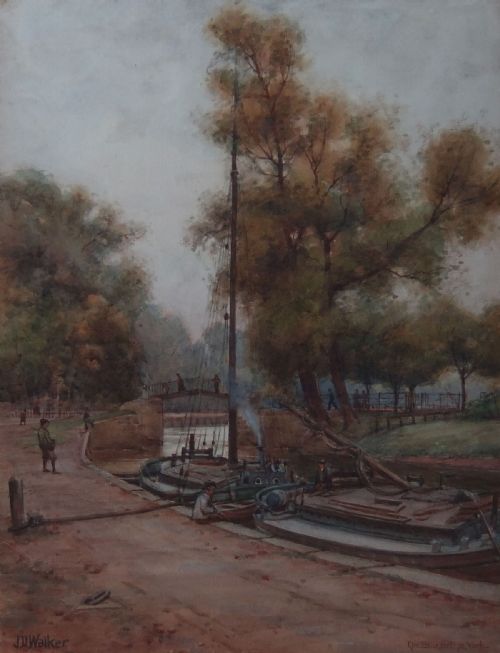


Blue Tone Watercolour
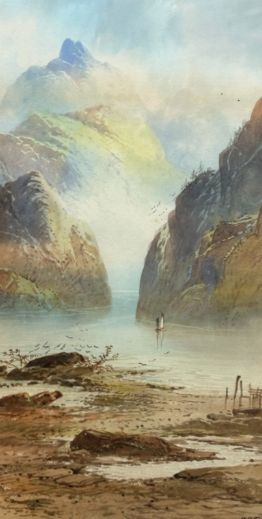
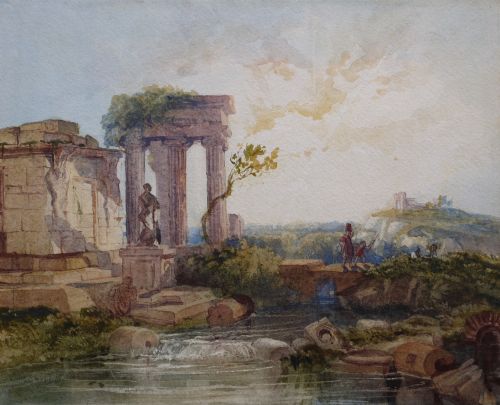
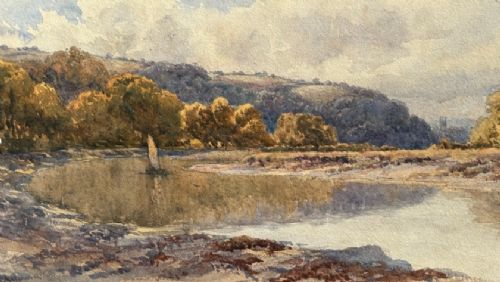
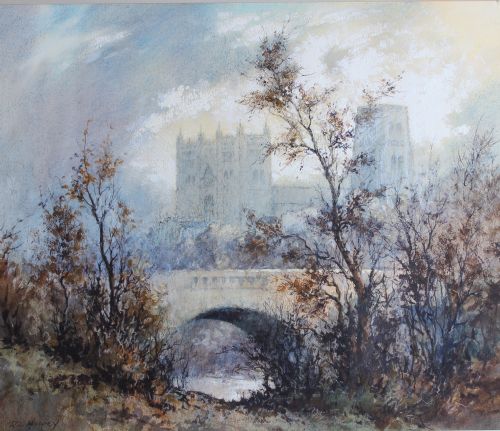
A blue tone watercolour captures landscape and coastal scenes through delicate washes, offering collectors a direct window into nineteenth and twentieth-century British artistry.
Blue Tone Watercolour
A blue tone watercolour is primarily represented here by works spanning the nineteenth century through to the mid-twentieth century, featuring framed paintings of British landscapes, coastal views, and maritime scenes.
Collectors searching for blue tone watercolour will encounter pieces originating from Victorian times up to the nineteen-fifties, capturing subjects from Scottish lochs and Welsh valleys to Yorkshire coasts.
The dominant forms are original paintings on paper, executed by named artists who documented topographical and marine subjects with varied pigment densities.
Materials and construction
These works are executed using watercolour pigment and paint applied directly onto paper supports, often protected beneath glass within traditional frames.
Artists utilised the translucent qualities of water-based pigments to build atmospheric depths, particularly effective in marine and landscape views where water and sky dominate the composition.
Blue Tone Watercolour Retail Price Guide 2026
Typical asking prices for blue tone watercolour among the pieces listed under this phrase on Sellingantiques today, from the lower quarter to the upper quarter. They describe what is for sale here now, not the wider market.
Several artists clearly braved harsh British coastal weather to paint stormy seas and bustling fishing ports.
Distinguishing quality in works
Quality rests upon the artist's handling of pigment and paper, where confident brushwork and tonal control distinguish accomplished topographical records from routine sketches.
The survival of the paper support and the preservation of the pigment under glass determine the overall visual integrity of the finished painting.
David Law·William Henry Earp·Richard Principal Leitch·Robert Leslie Howey·James Orrock·John Syer·Kate E Booth·Stephen John Batchelder·Percy Brooke·Albert Robert Quinton·Walter Henry Sweet·John J Hamer·Frank Wasley·George Cattermole·John D Walker·William Kay Blacklock·Sir Ernest Albert Waterlow·Alexander Melville
The Blue Tone Watercolour Glossary
- Watercolour
- A painting method in which the paints are made of pigments suspended in a water-based solution. This medium allows for luminous washes and delicate transitions.
- Pigment
- The finely ground natural or synthetic material that imparts colour to paint. In these works, pigment density creates the characteristic tonal variations.
- Topographical painting
- An artwork depicting a specific real-world location with realistic detail. These pieces often serve as historical records of British towns and countryside.
- Seascape
- A painting depicting the sea, coastal views, or marine activity. Many examples in this genre focus on fishing communities and coastal weather.
Blue Tone Watercolour: Frequently Asked Questions
What is a blue tone watercolour?
A blue tone watercolour is a painting on paper that utilises water-based pigments to render atmospheric landscapes, seascapes, and architectural views with a characteristic emphasis on blue hues.
These works range from nineteenth-century topographical studies to mid-twentieth-century coastal scenes.
How should I frame these paintings?
These works on paper require conservation-grade mounting under glass to protect the delicate pigments from ultraviolet light and atmospheric moisture.
Keeping the paper from direct contact with the glazing ensures the longevity of the watercolour medium.
Where were these artists active?
The artists represented worked primarily across British and Scottish landscapes, documenting locations from Yorkshire and Wales to marine ports and cathedrals.
Many captured specific regional topography during the Victorian and Edwardian eras.
How do I identify the period?
Periods can be discerned through the artist's signature, stylistic markers of Victorian or Edwardian art, and framing materials.
Written inscriptions on the reverse or mount often record the specific date and location of the scene.