

Blue Textile Art
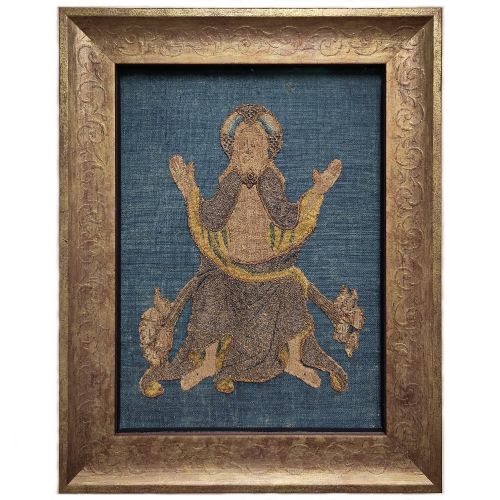
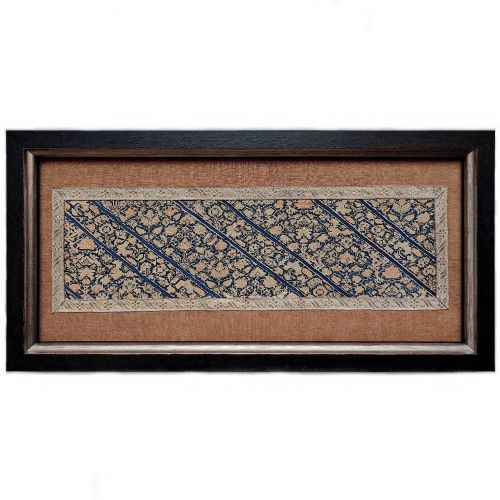
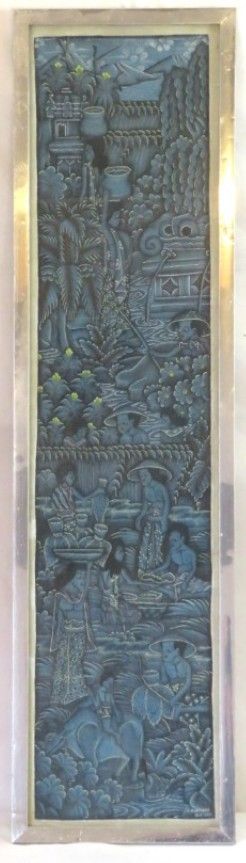
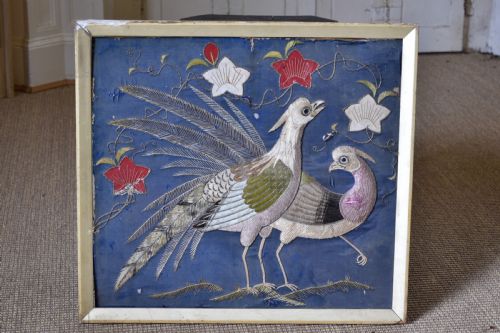
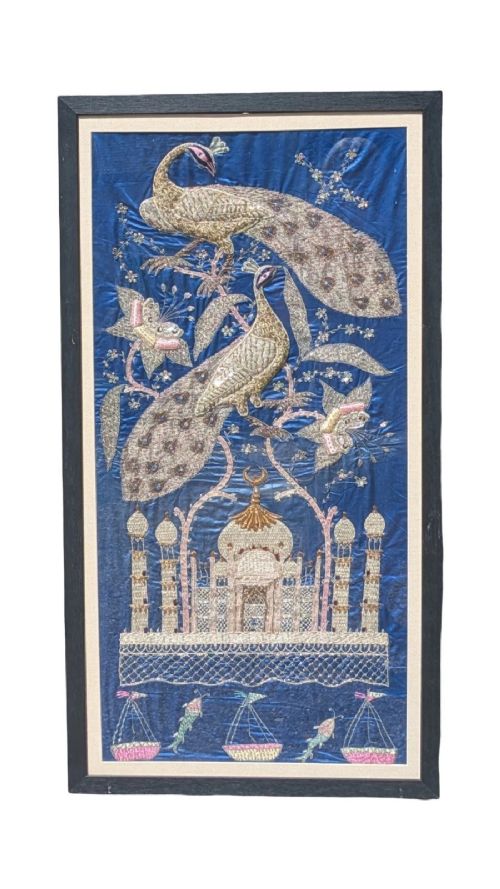
Blue textile art spans centuries of hand-stitched wall hangings, framed embroideries, and woven tribal bags.
Blue Textile Art
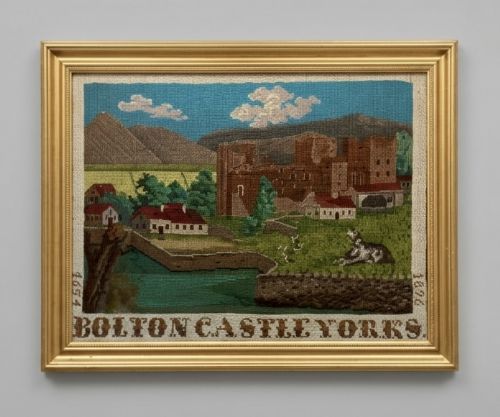
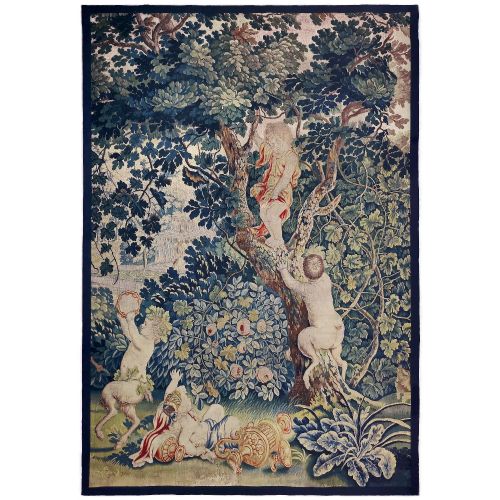
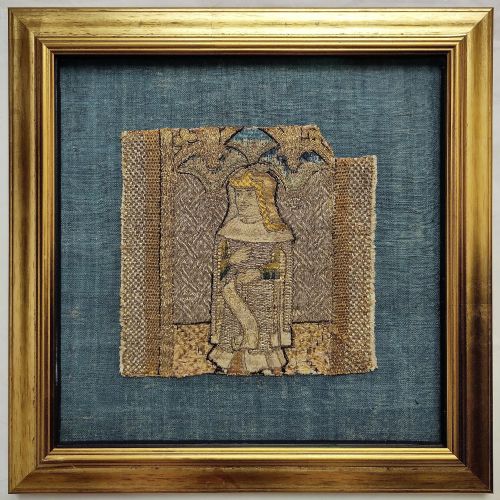
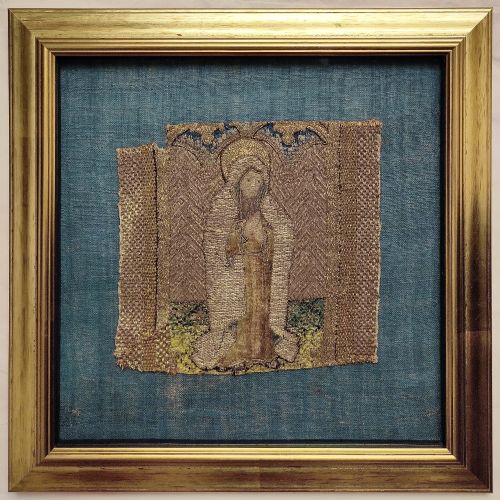
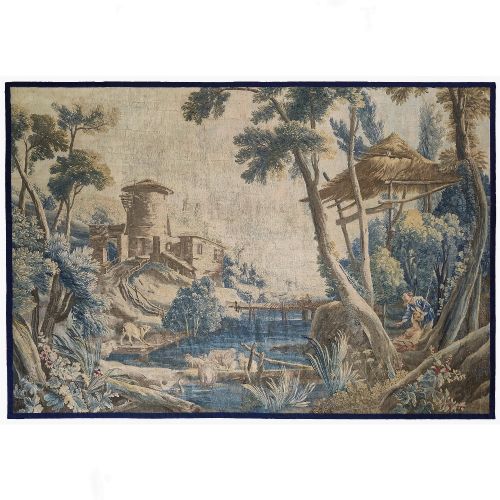
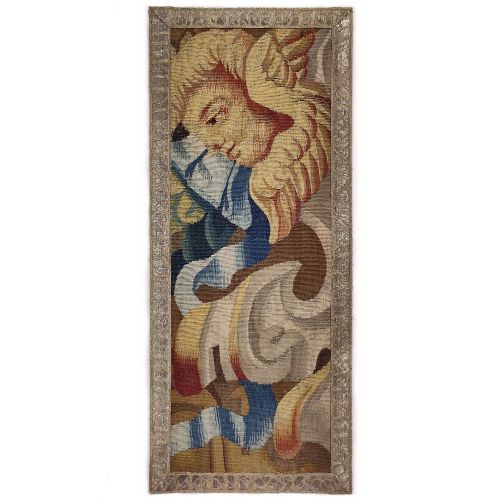
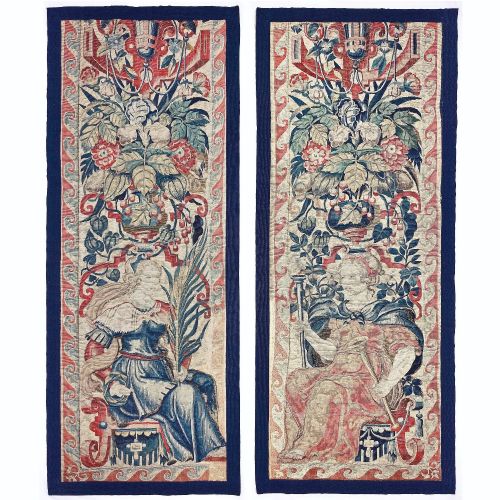
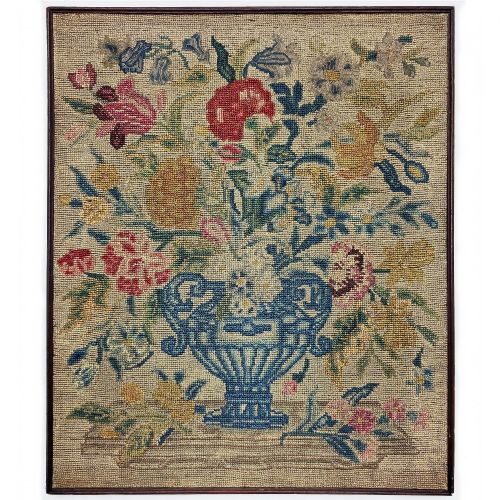
When you search for blue textile art, you encounter a varied assortment of historic wall hangings, framed needlework, and woven tribal pieces. The selection on this page ranges from seventeenth-century Flemish verdure tapestries to nineteenth-century embroideries and Persian nomad bag faces.
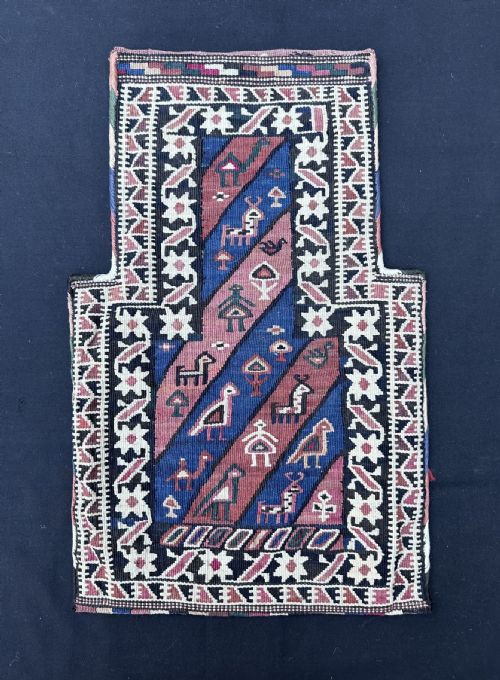
The most frequent examples found here include framed silk pictures, tribal salt bags, and large woollen wall tapestries dominated by indigo and softer blue tones. These items functioned originally as domestic furnishings, decorative panels, or practical nomadic containers before transitioning into collectible display pieces.
Materials and construction
These textiles rely principally on natural fibres such as wool, silk, cotton, and linen, often enriched with metallic thread. Artisans employed hand-sewing, embroidery, and diverse weaving techniques including soumak work and flat weaving to build complex patterns.
Colour comes from natural dyes, producing deep indigos and muted blue shades that interact with the underlying textile structure. Many framed pieces combine these fabrics with glass and wood surrounds for protection and display.
Blue Textile Art Retail Price Guide 2026
Typical asking prices for blue textile art among the pieces listed under this phrase on Sellingantiques today, from the lower quarter to the upper quarter. They describe what is for sale here now, not the wider market.
Nineteenth-century sailors passed long voyages at sea by stitching woolie embroideries, creating surprisingly bright maritime flags without formal art training.
What determines quality
Quality rests in the precision of the handwork, the complexity of the design, and the survival of the original material. Finer pieces demonstrate meticulous needle control, sophisticated pictorial composition, and well-preserved natural dyes.
The distinction between standard examples and superior ones often lies in the integrity of the textile weave and the subtlety of the colour graduation across the surface.
The Blue Textile Art Glossary
- Verdure tapestry
- A wall hanging featuring a stylized landscape design dominated by foliage, trees, and occasionally animals. These panels were frequently produced in seventeenth-century Flanders and France.
- Soumak work
- A flat-weave technique involving wrapping the weft threads over and under the warp to create a textured, durable surface. It appears frequently on Persian nomadic bags.
- Ikat
- A dyeing method where yarns are pattern-dyed before weaving, creating characteristic blurred edges along the motifs. Uzbekistan coats often display this technique.
- Sofreh
- A flat-woven textile used traditionally for food preparation or serving among Persian tribes. They frequently feature geometric patterns in wool.
Blue Textile Art: Frequently Asked Questions
How do I hang a heavy tapestry?
Large tapestries require even weight distribution along the top edge to prevent distortion of the weave. A concealed wooden batten or heavy-duty Velcro mounting system attached to the wall is typically employed for this purpose.
Direct exposure to strong sunlight should be avoided to protect the natural dyes and fibres from fading over time.
How should I clean antique textiles?
Historic textiles generally require professional conservation rather than standard domestic cleaning methods. Gentle surface dusting with a soft brush or low-suction vacuum through a protective mesh screen is the safest approach.
Water washing can cause dye bleeding or fibre shrinkage, particularly in pieces utilising natural dyes and delicate silks.
What is a bag face?
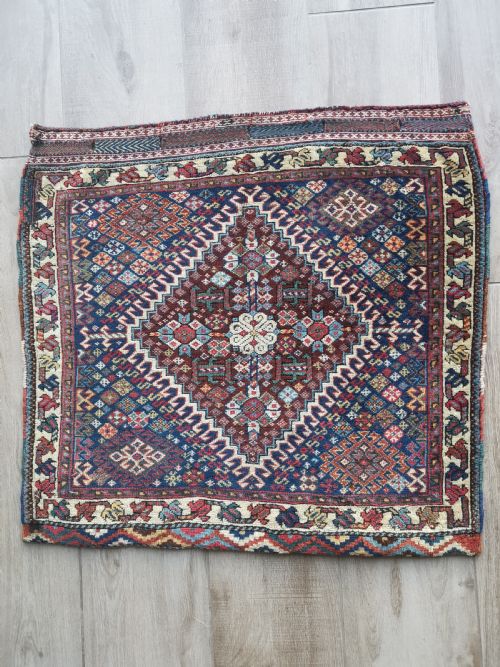
A bag face is the decorative front portion of a nomadic storage bag, salvaged after the plain back panel wore out. Tribes in Persia used these sturdy woven panels for household storage.
Collectors often frame or mount them as standalone geometric textile art.
How do I date a Flemish tapestry?
Dating relies on stylistic analysis of the border design, the complexity of the landscape or mythological figures, and the types of wool and silk used. Seventeenth-century examples often feature dense foliage and specific verdure motifs.
Examining the reverse side can also reveal clues regarding the original weave density and dye saturation.