


Blue Sky Venetian Painting
Blue sky venetian painting captures the timeless light and water of the lagoon, offering a window into historic Italy that collectors treasure.
Blue Sky Venetian Painting
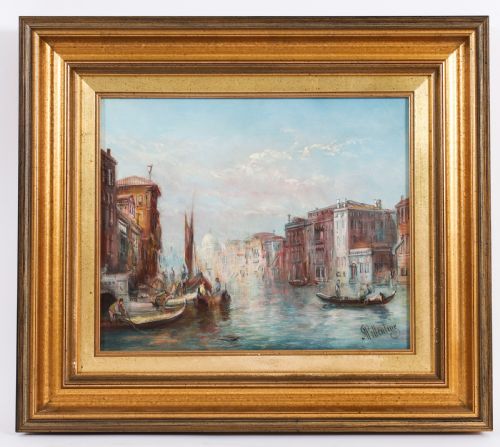
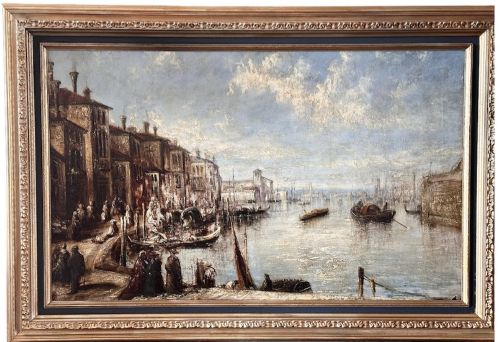
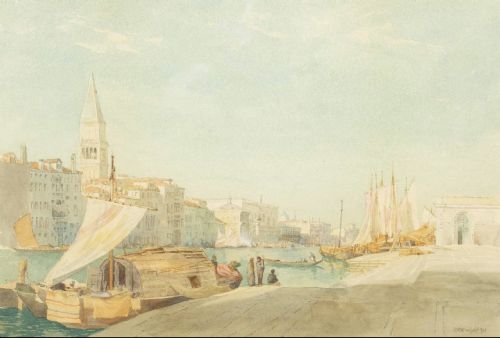
When you search for blue sky venetian painting, you encounter works that capture the iconic architecture, canals, and bright atmosphere of Venice. These pieces typically depict famous landmarks such as the Grand Canal, the Doge's Palace, and Santa Maria della Salute.
The selections span from the nineteenth-century Victorian period into the early twentieth century, including Edwardian and impressionist interpretations. You will find both oil paintings on canvas and board alongside detailed watercolour paintings.
Makers and artists represented include named painters like Alfred Pollentine, Francis Moltino, Antonietta Brandeis, and Richard Henry Wright. Each creator brings a distinct perspective to the luminous skies and bustling waterways of the city.
What varies in quality
The skill of the brushwork and the handling of atmospheric light determine the distinction between average and exceptional pieces. Master artists capture the specific architectural details of Venetian palazzos and bridges with greater precision and depth.
The preservation of the original canvas, paper, and pigment influences the visual impact of the work over time. Superior examples maintain their vibrant colour balance and structural integrity without heavy restoration.
Listings span from the nineteenth century into the early twentieth century, featuring oil on canvas, watercolour pigment, and gilded wood frames.
Alfred Pollentine·Francis Moltino·Richard Henry Wright·Antonietta Brandeis·Jane Vivian·William Raymond Dommersen·David Law·John D. Walker
The Blue Sky Venetian Painting Glossary
- Oil on canvas
- A painting medium where pigments bound in drying oil are applied to stretched fabric. This technique allows for rich colour blending and textured brushwork.
- Watercolour pigment
- A water-soluble paint medium applied to paper to create translucent washes of colour. It is frequently utilised for delicate architectural studies and luminous sky effects.
- Gilt wood
- Wood surfaces treated with a thin layer of gold leaf or metallic powder. This finish was commonly applied to nineteenth-century frames to add warmth and reflection.
- Impressionism
- An art style focused on accurate depiction of light in its changing qualities. Artists working in this manner prioritize open composition and visible brush strokes.
- Grand Canal
- The main water-traffic corridor in Venice, flanked by historic palazzos. It serves as a primary subject for topographical and atmospheric paintings.
Blue Sky Venetian Painting: Frequently Asked Questions
What subjects appear in these paintings?
The artworks primarily feature iconic Venetian landmarks, including the Grand Canal, the Doge's Palace, and the Bridge of Sighs. Scenes often incorporate gondolas and bustling water traffic beneath bright skies.
Artists also depict famous churches like Santa Maria della Salute and surrounding historic townscapes from various vantage points across the lagoon.
How do I hang a watercolour safely?
Watercolours require protection from direct sunlight to prevent the pigments from fading over time. Position them away from windows and direct heat sources to preserve the paper and colour.
Ensure the frame is properly sealed against humidity and dust. Professional framing with acid-free mount board safeguards the integrity of the paper.
How do I date a nineteenth-century frame?
Nineteenth-century frames often feature distinct gesso mouldings, corner ornamentation, and hand-carved details that reflect the period aesthetic. Examining the construction behind the frame reveals period joinery and hardware.
Original frames frequently show signs of age-related craquelure and oxidation in the gilt finish, helping to corroborate the era of the artwork.
Where were these paintings created?
Many artists travelled to Venice during the nineteenth and early twentieth centuries to paint en plein air or make preliminary sketches. They captured the local light and architecture directly from the canals and bridges.
Other works were completed in studios based on watercolours and drawings brought back from Italian journeys.