



Blue Sky Coastal Canvas
Blue sky coastal canvas pieces bring open water and marine air indoors through oil paint applied to woven fabric.
Blue Sky Coastal Canvas
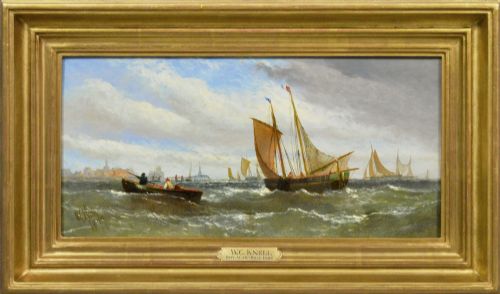
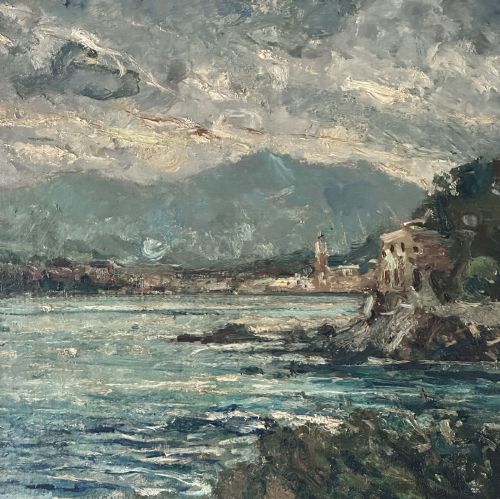
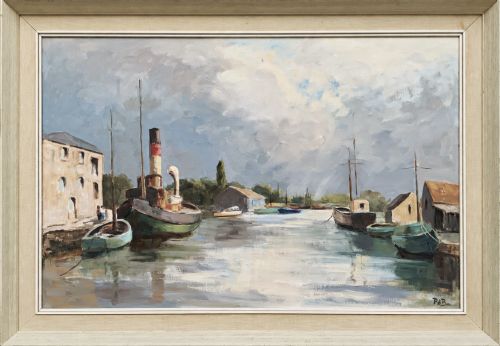
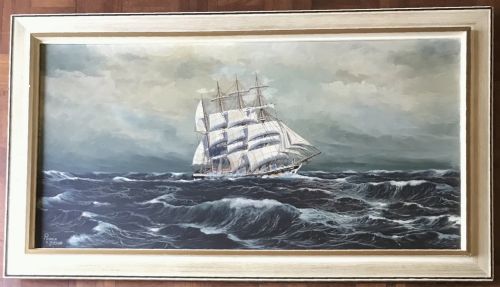
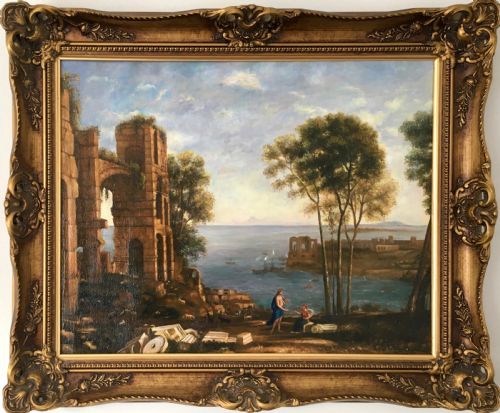
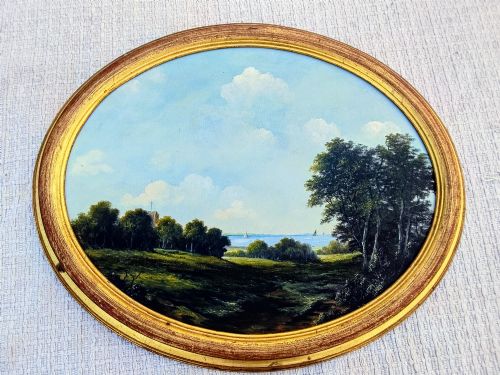
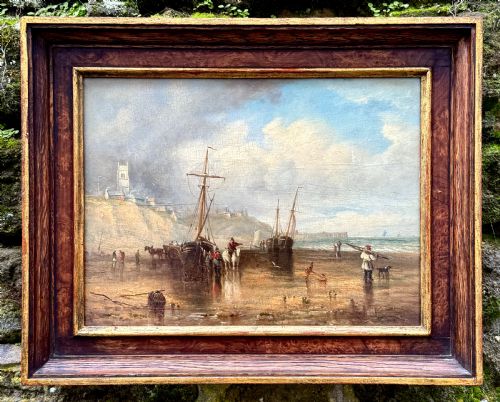
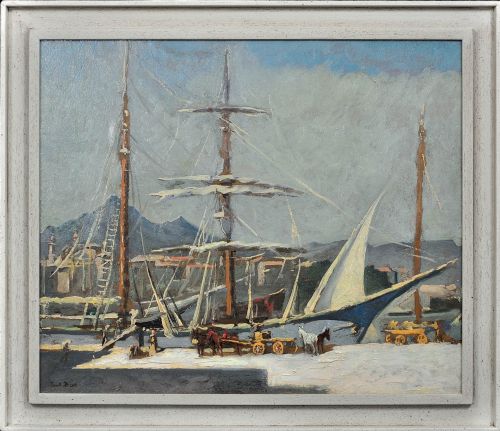
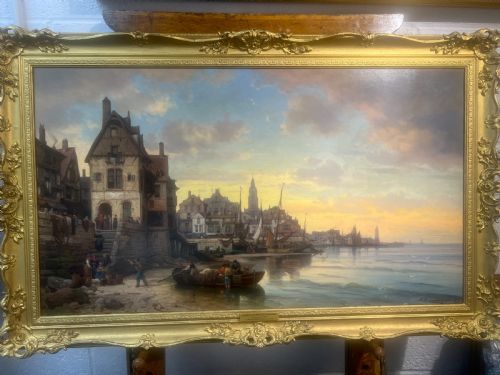
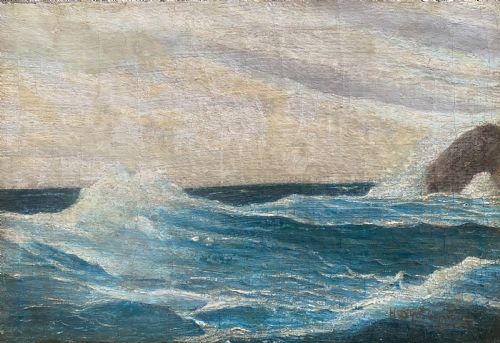
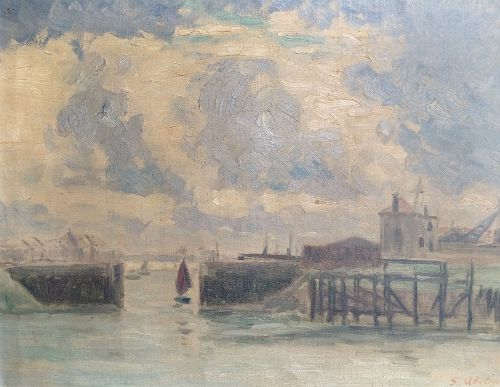
A blue sky coastal canvas is a marine or coastal oil painting capturing harbours, shipping scenes, and beaches under open daylight. Buyers seeking this phrase encounter works spanning the eighteenth century through the mid-twentieth century.
The selection ranges from Victorian seascapes and British Impressionism to mid-century modern interpretations. These paintings depict shores, estuaries, and harbours rendered in oil on canvas.
Framed examples frequently incorporate wood or giltwood surrounds that complement the coastal subject matter. The origins extend across English, French, Dutch, and Russian traditions.
Materials and construction
Artists utilise oil paint applied directly onto stretched canvas supported by wooden stretcher frames. This combination allows for varied application, from smooth glazes to thick impasto brushwork.
Many works are housed in wooden frames, some finished with gilded gesso known as giltwood. The physical support relies on durable woven canvas that retains pigment integrity over centuries.
Blue Sky Coastal Canvas Retail Price Guide 2026
Typical asking prices for blue sky coastal canvas among the pieces listed under this phrase on Sellingantiques today, from the lower quarter to the upper quarter. They describe what is for sale here now, not the wider market.
Some coastal scenes sneak in stray figures like a boxer or a photographer hiding quietly by the nineteenth-century waves.
Quality factors in marine oils
Quality rests upon the artist's command of light, atmosphere, and maritime perspective. Superior works capture the movement of water and the luminosity of an open sky with confident brushwork.
Condition of the canvas and the preservation of the original oil pigment dictate long-term stability. The integration of the frame with the painting also influences the overall integrity of the piece.
Paul Bret·Thomas Creswick·Charles Euphraisie Kuasseg·Herbert Royle·Edward Seago·George Gregory·Bertram Priestman·Francis Holman
The Blue Sky Coastal Canvas Glossary
- Canvas
- A heavy woven fabric used as a surface for oil painting. It is typically stretched over a wooden frame before application of the ground and pigments.
- Impasto
- Paint applied in thick layers that stand out from the canvas. This technique gives texture and physical presence to elements like waves and clouds.
- Giltwood
- Wood that has been treated with gold leaf or a gold-coloured finish. It is commonly found on traditional frames enclosing nineteenth-century canvases.
- Marine painting
- Art depicting ships, harbours, and coastal views. This genre encompasses both calm estuaries and turbulent open seas.
- Stretcher
- The wooden frame that holds a canvas taut. Traditional wedges allow the corners to be adjusted to maintain proper tension.
Blue Sky Coastal Canvas: Frequently Asked Questions
How do I clean a canvas?
Surface dust should be removed gently with a soft, dry brush by a specialist. Moisture and household cleaners must be avoided to prevent damage to the oil paint.
Professional conservation is recommended for any deeper cleaning or removal of aged varnish. Improper handling can cause permanent thinning of the pigment layer.
Where should I hang these?
These paintings require placement away from direct sunlight and high humidity. Stable room temperatures prevent the canvas and wooden stretcher from warping.
Wall placement should also avoid proximity to heating vents or damp exterior walls. Proper hanging protects both the painted surface and the wooden frame.
How are periods identified?
Dating relies on stylistic evidence, stretcher construction, and framing techniques. Costume details and vessel types depicted in coastal scenes also offer chronological clues.
Signatures, inscriptions on the reverse, and artist biographical dates narrow the window of creation. Comparative study with documented works confirms the era.
What is impasto?
Impasto is a painting technique where oil paint is laid thickly onto the canvas. It creates raised textures that catch the light and add dimension.
Artists often utilise this method to render foaming water, clouds, or architectural highlights. It provides a tangible sense of movement within the composition.