


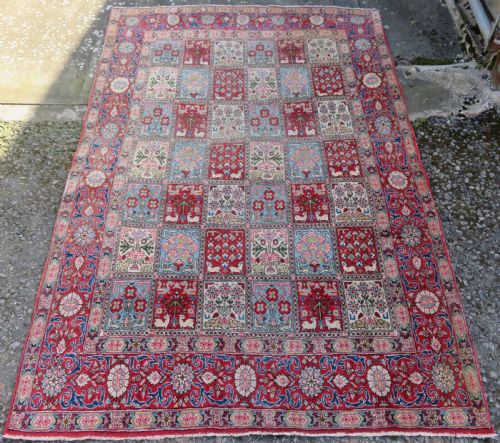


Blue Silk Rug
A blue silk rug brings remarkable sheen and intricate cultural motifs into a room, offering both decorative presence and historic textile artistry.
Blue Silk Rug
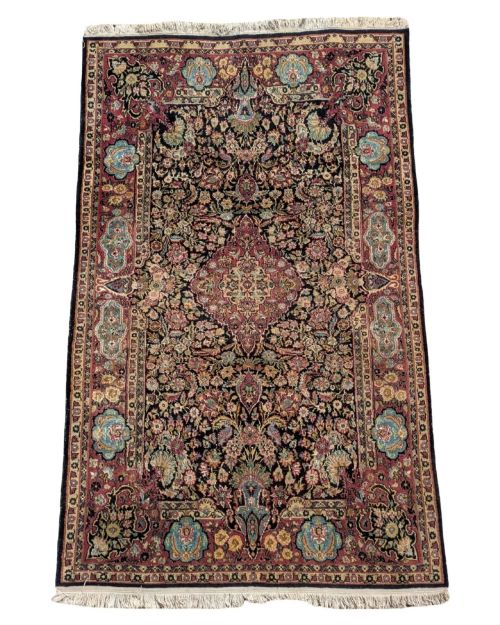
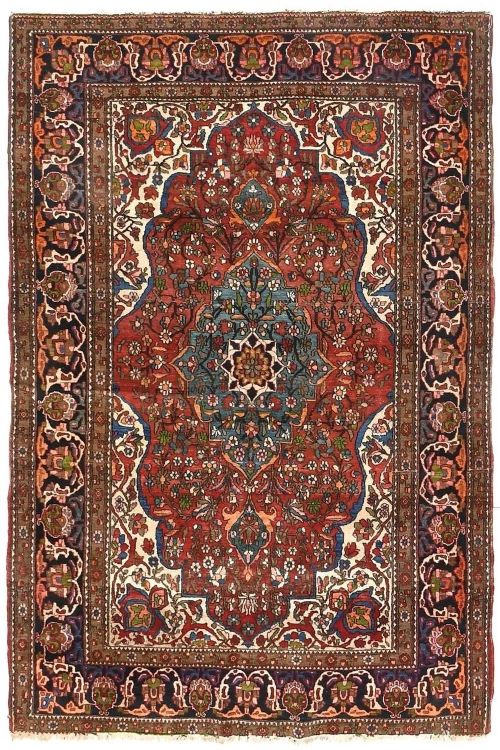
When searching for a blue silk rug, you encounter a range of woven textiles originating from Persian, Turkish, and Central Asian traditions. These pieces span from the early nineteenth century through to the 1930s, encompassing both floor carpets and framed wall hangings.
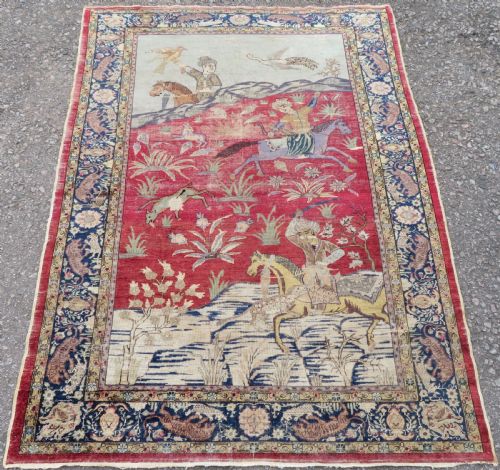
The selections available include pictorial hunting scenes, tile patterns, and intricate medallion designs. Many examples utilise silk foundations or highlights combined with wool, cotton, or lambswool to create texture and depth.
Origin points cover Isfahan, Qum, Nain, Hereke, West Anatolia, Khotan, and Uzbek tribal regions. You are likely to meet both full room-sized carpets and smaller fragment pieces reflecting distinct regional weaving techniques.
How they were made
Weavers constructed these textiles using foundational warps and wefts of cotton, silk, or wool, upon which pile was knotted or embroidery was applied. Silk highlights were frequently integrated into wool carpets to catch the light across intricate floral or geometric motifs.
Regional workshops and nomadic makers utilised natural materials such as lambswool and silk, sometimes mounting special fragments as framed wall art. The interplay of materials determined the ultimate drape, weight, and structural longevity of each carpet.
Blue Silk Rug Retail Price Guide 2026
Typical asking prices for blue silk rug among the pieces listed under this phrase on Sellingantiques today, from the lower quarter to the upper quarter. They describe what is for sale here now, not the wider market.
Some antique rugs started life as dowry embroideries before ending up proudly displayed behind glass on modern living room walls.
What varies in quality
Knot density and weave tightness separate standard room carpets from exceptionally fine workshop productions. A very fine weave allows for sharper pictorial detail in hunting scenes and more complex medallion outlines.
The choice of foundation material also dictates quality, with pure silk foundations or fine lambswool on silk foundations offering greater structural refinement than standard base fibres.
The Blue Silk Rug Glossary
- Pile
- The upright yarn loops forming the usable surface of a carpet. It gives the textile its soft texture and depth of colour.
- Foundation
- The underlying grid of warp and weft threads that supports the knotted pile. A silk foundation provides exceptional strength and flexibility.
- Medallion
- A central ornamental design motif found in many traditional Persian carpets. It serves as the visual focal point of the composition.
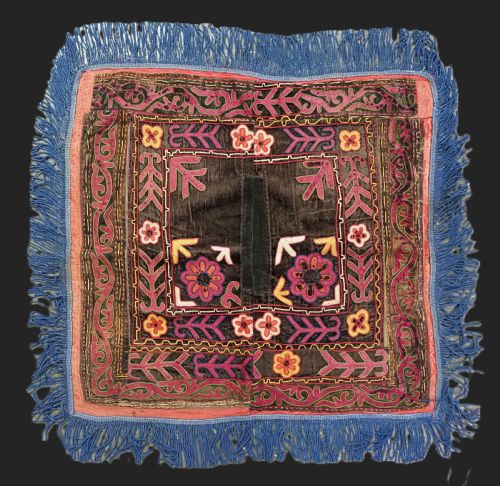
- Ilgich
- A Central Asian dowry embroidery piece often utilised for wall hanging. These textiles display distinct tribal patterns and cultural symbols.
- Fragment
- A surviving portion of an older textile, sometimes preserved and framed as wall art. Fragments demonstrate historical weave structures on a smaller scale.
Blue Silk Rug: Frequently Asked Questions
How do I care for a silk rug?
Keep these textiles away from direct sunlight to prevent fading of the delicate blue dyes. Professional cleaning is essential to preserve the integrity of silk fibres.
Vacuum with care, avoiding the fringe edges where the foundational structure is most vulnerable. Displaying delicate pieces as wall hangings reduces foot traffic wear.
Where were these rugs made?
Origin locations span traditional weaving centres in Persia, Turkey, and Central Asia. Specific regions include Isfahan, Qum, Nain, Hereke, and West Anatolian districts.
Nomadic and tribal groups such as the Uzbek Lakai also produced distinctive embroidered and woven pieces. Each region imparted unique design vocabulary and knotting structures.
What is a pictorial rug?
A pictorial rug depicts narrative scenes, such as traditional hunting motifs featuring figures and animals. These works require high knot density to render intricate facial expressions and movement.
Such pieces were often created as showpieces for wealthy patrons or workshop displays. They frequently appear in smaller formats or framed as wall art.
How do I date an antique rug?
Dating relies on examining the materials, dye types, design style, and structural wear patterns. Stylistic shifts between nineteenth-century tribal motifs and later 1930s workshop pieces provide clear chronological markers.
Structural analysis of the foundation and knotting technique helps place an item within specific eras. Comparing known regional patterns confirms the approximate period of production.