



Blue Sea Canvas Painting
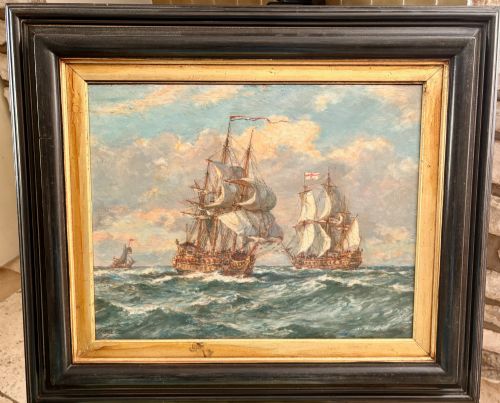
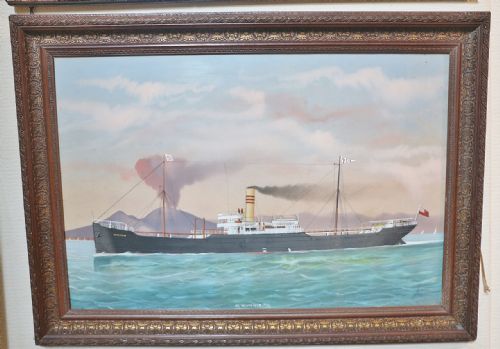
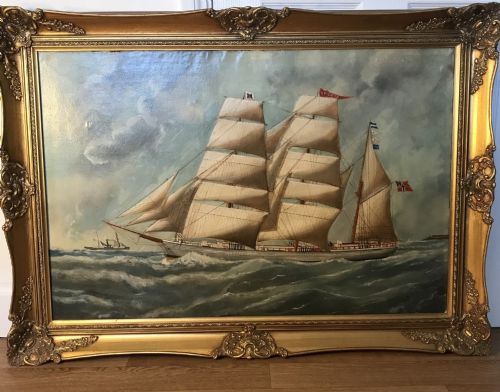
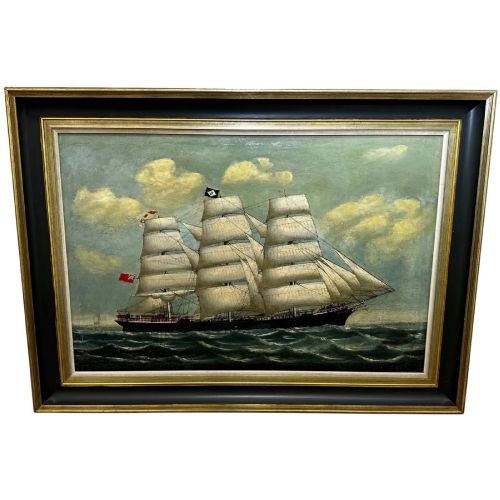
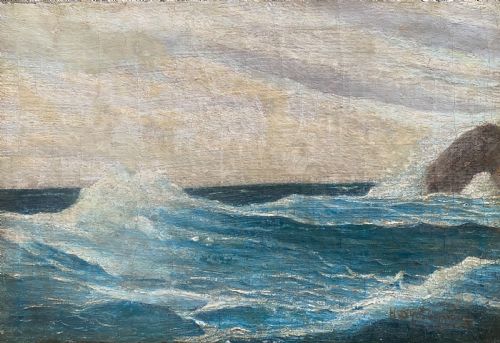
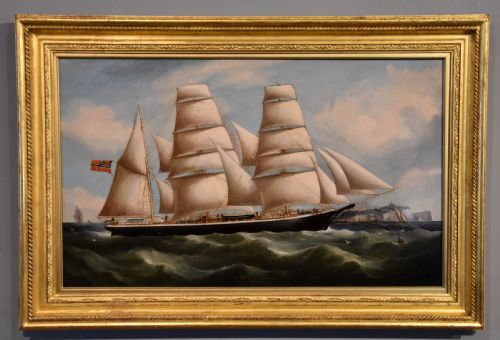
A blue sea canvas painting captures coastal stretches, shipping traffic and breaking waves through traditional oil pigments.
Blue Sea Canvas Painting
A blue sea canvas painting represents maritime scenes, coastal harbours and open waters created across various periods including the nineteenth century, Edwardian era and mid-twentieth century. Collectors seek these works for their historical depictions of sailing ships, steam vessels and coastal landscapes.
Originating from British, French, Russian and other European studios, these artworks document maritime history and changing artistic styles from traditional realism to post-impressionism.
Materials and technique
Artists built these works using oil paint applied to stretched canvas supports, sometimes housed within wooden or gilded frames. Pigments were manipulated with brushes or palette knives to render the texture of water, sky and coastal topography.
The physical structure relies on woven fabric secured to wooden stretcher bars, providing a stable ground for layers of oil medium that dry to a durable finish.
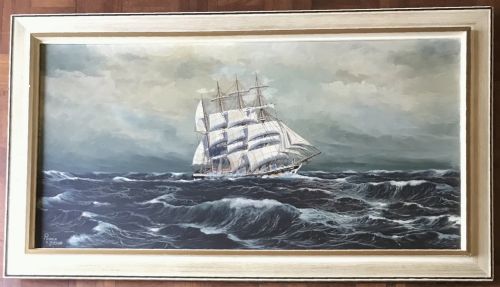
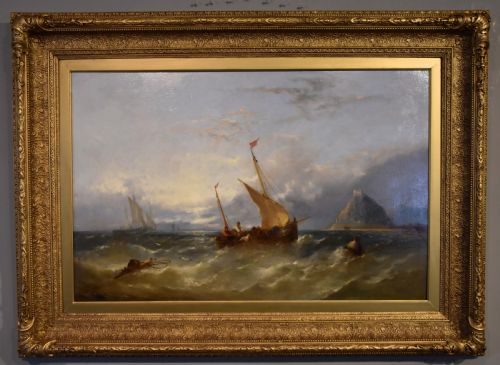
Several canvases record specific vessels navigating heavy seas off stormy coasts.
Assessing quality
Quality in these maritime works rests upon the artist's ability to render light, movement and maritime architecture with anatomical and structural accuracy. Finer examples display confident brushwork and accurate proportions in rigging, hull construction and wave dynamics.
The handling of atmospheric conditions, such as stormy seas or morning light, separates accomplished compositions from more formulaic studio output.
Reginald Arthur Borstel·Lemuel Francis Abbott·Bernard Gribble·Bernard Benedict Hemy·Lai Fong·Richard B. Spencer·William Henry Williamson·Raymond Moritz·Charles Napier Hemy·Jean-Baptiste Olive·Daniel Sherrin·George Shaw·Charles Malfroy·Stephen J. Renard·Ah Hee Studio·Dion Pears·George Gregory·Thomas Rose Miles·James Torrington Bell·Gustave de Breanski·Joseph Heard·Herbert James·William Savage Cooper
The Blue Sea Canvas Painting Glossary
- Canvas
- A heavy woven fabric used as a surface for oil painting. It is typically stretched over wooden bars before the artist applies paint.
- Giltwood
- Wood that has been covered with a thin layer of gold leaf or gold paint. This material is frequently found on traditional picture frames.
- Marine Art
- Artwork that depicts or draws inspiration from the sea, ships and coastal views. This genre includes historical ship portraits and coastal landscapes.
- Post-Impressionism
- An art movement that developed from the rejection of impressionist constraints, focusing on expressive forms and symbolic use of colour.
- Pierhead Painting
- A specific type of ship portrait created for captains or shipowners, usually showing a vessel entering or leaving a specific port.
Blue Sea Canvas Painting: Frequently Asked Questions
What periods do these paintings cover?
The available artworks span from the eighteenth century through the Victorian and Edwardian periods up to the mid-twentieth century.
Each era brings distinct artistic conventions and historical maritime subjects to the canvas.
How were these marine paintings displayed?
Historically, maritime works were hung in domestic interiors, shipping offices and maritime institutions to record vessels and coastal views.
They are typically housed in period wooden or giltwood frames designed to complement the composition.
What subjects appear in these scenes?
Common subjects include three-masted schooners, fishing trawlers, steamships, coastal cliffs and bustling harbour promenades.
Artists frequently documented specific named vessels, local shipping traffic and coastal weather conditions.
How do I identify a ship portrait?
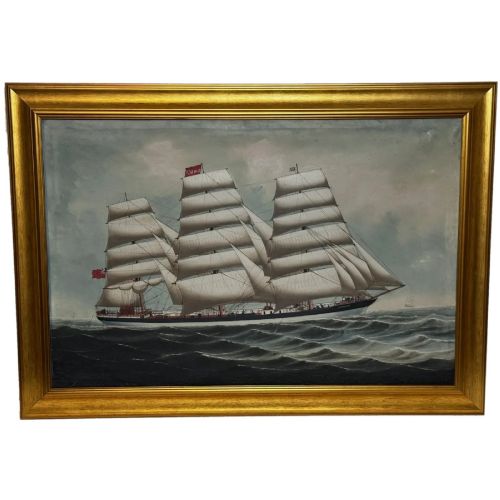
Ship portraits focus primarily on a specific named vessel, often shown in profile or navigating coastal waters with accurate rigging and flag details.
These works were often commissioned by captains, owners or ports to create a precise record of a particular ship.