


Blue Pressed Glass
Blue pressed glass combines industrial moulding techniques with striking colour, offering collectors vibrant decorative vessels and tablewares from the Victorian era onward.
Blue Pressed Glass
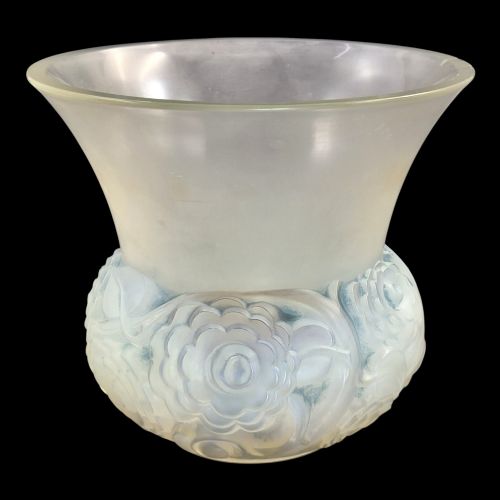
When searching for blue pressed glass, buyers encounter a range of decorative items, from Victorian cake stands and scent bottles to Art Deco vases, bowls, and perfume bottles. These pieces showcase mechanical moulding methods that allowed intricate patterns and relief designs to be produced with consistency.
The selections available span periods from the late nineteenth century through the 1920s and 1930s. Victorian examples frequently utilise rich, saturated tones, whilst later twentieth-century creations often incorporate opalescent or frosted finishes characteristic of Art Deco design.
Vases, decorative plates, and paperweights dominate the forms seen in these collections. Buyers will find that smaller items such as scent bottles and dishes appear alongside larger centrepiece bowls and footed vessels.
Production Methods and Materials
Moulding molten metal or glass into pre-shaped metal dies defines the creation of pressed glass. This technique forces the material against the interior of a mould using a plunger, capturing fine details in high relief.
Makers utilised pressed glass, opalescent glass, and frosted glass, often applying blue stains to accentuate the moulded contours and depth of the design. Crystal and clear glass elements occasionally appear to contrast with the pigmented bodies.
Materials recorded across the inventory include opalescent glass, frosted glass, and press-moulded crystal.
Assessing Quality and Execution
Quality in these objects rests upon the crispness of the moulded relief and the subtlety of the colour distribution. Finer examples display sharp, well-defined motifs where the pressed pattern remains deep and legible across the entire surface.
The interaction between light and the glass body dictates the visual success of the piece. Superior items harness opalescence, staining, or frosting to create varied tonal shifts, whereas lesser examples exhibit flat coloration and dull surfaces.
Rene Lalique·Jobling·Davidson·Marius Ernest Sabino·Verlys
The Blue Pressed Glass Glossary
- Pressed glass
- Glassware formed by pressing molten metal into a metal mould using a mechanical plunger. This method permitted rapid production of patterned tableware and decorative objects during the nineteenth and twentieth centuries.
- Opalescent glass
- A type of glass that displays a milky, translucent quality with blue or fire-like highlights when lit from the front. It shifts in appearance depending on the angle of illumination.
- Frosted glass
- Glass treated to achieve a matte, textured surface by acid etching or sandblasting. It diffuses light gently across the object.
- Pearline
- A trade name used by Davidson for a specific range of pressed glass that showed iridescent or shaded colour effects. It is frequently associated with Victorian pressed wares.
- Socle
- A short plinth or pedestal supporting a sculpture, vase, or paperweight. It provides a stable base and elevates the main body of the object.
Blue Pressed Glass: Frequently Asked Questions
How do I identify Art Deco blue pressed glass?
Art Deco pieces typically feature geometric motifs, stylised floral patterns, or animal figures combined with opalescent or frosted finishes. The forms tend to be bold and architectural, reflecting the design sensibilities of the 1920s and 1930s.
Maker signatures or registration marks stamped into the glass further confirm the period and origin, distinguishing them from earlier Victorian items.
What is the difference between pressed glass and moulded glass?
Pressed glass is formed mechanically by forcing a plunger into a mould to press the hot material against the sides. Press-moulded glass generally describes similar techniques where molten glass takes the shape of a patterned cavity.
Both methods enabled manufacturers to produce complex decorative patterns efficiently, though hand-finishing often followed the initial pressing process.
How should I display blue pressed glass at home?
Placing these pieces near natural light sources allows the translucent qualities and blue tones to stand out effectively. Vases and bowls benefit from placement on windowsills or illuminated shelving where light can pass through the glass.
Heavier items like paperweights and small dishes anchor tabletop displays alongside other decorative objects from the same eras.
How can I tell Victorian pieces from later ones?
Victorian examples often rely on deep, saturated blue colours and traditional decorative themes like enamel highlights or naturalistic floral patterns. Items from this era frequently include functional tableware such as cake stands and scent bottles.
Twentieth-century pieces tend to embrace opalescence, frosted textures, and stylised Art Deco forms that break away from Victorian ornamentation.