



Blue Porcelain Table Vases
Blue porcelain table vases bring deep cobalt and crisp white into a room, arriving mostly as centuries-old vessels adapted into lamps.
Blue Porcelain Table Vases
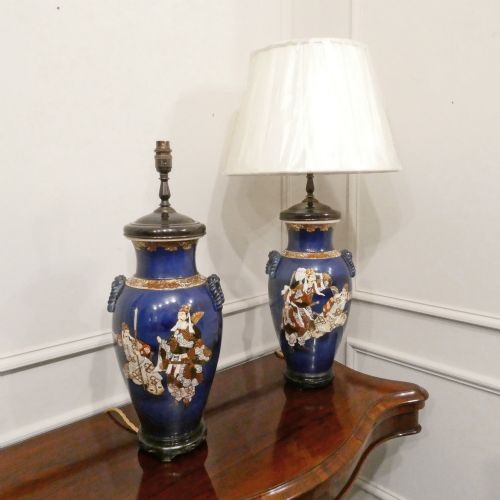
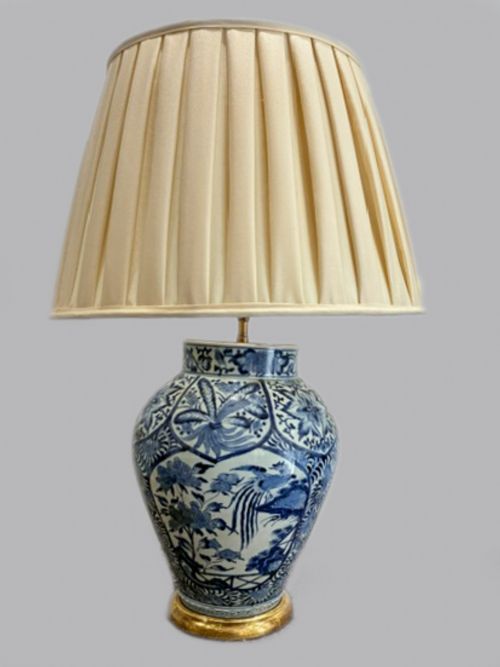
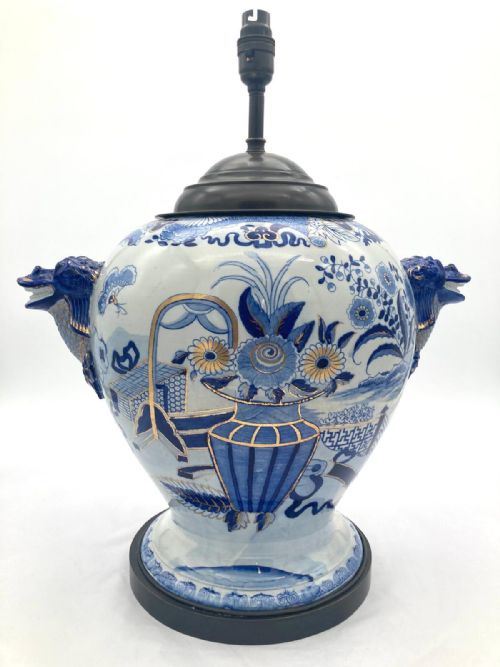
When searching for blue porcelain table vases, buyers encounter vessels spanning multiple centuries, from the seventeenth through the early twentieth century. Most pieces listed under this phrase are historical ceramics that have been converted into table lamps, retaining their original bodies while gaining modern electrical fittings.
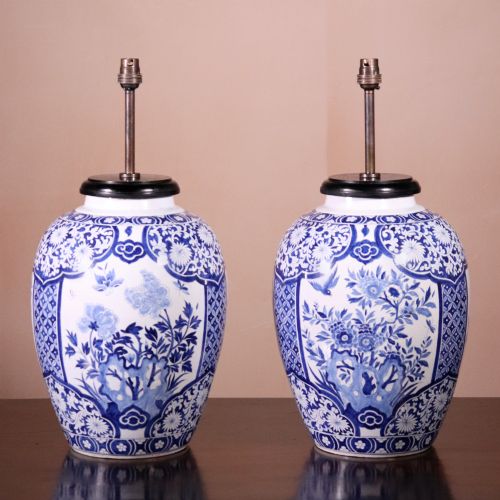
Many items appear in matched pairs, which makes them suitable for flanking a sideboard or illuminating a pair of bedside tables. The cobalt pigment underneath the clear glaze creates the defining visual characteristic uniting these diverse geographic origins.
How they were made
Potters shaped these vessels from clay bodies containing kaolin and petuntse, firing them at high temperatures to achieve vitrified porcelain. Cobalt oxide pigment was painted directly onto the unglazed clay before a transparent glaze was applied and fused in the kiln.
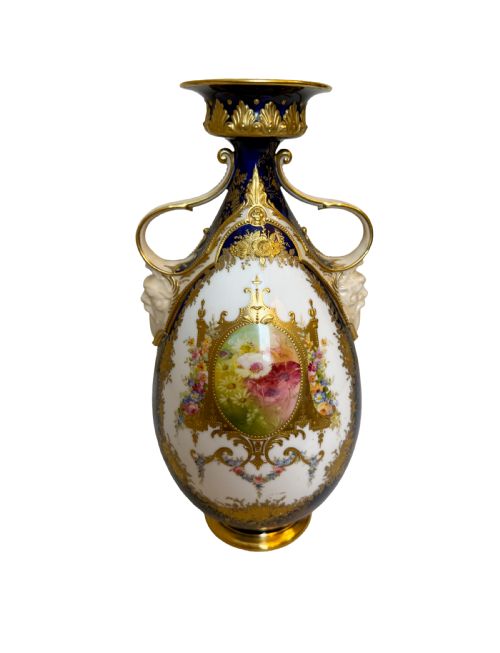
Many ceramic bodies were combined with brass, gilt bronze, or wood mounts during subsequent European conversions or initial assembly. Enamel and hand-painted details were occasionally added over the glaze in later workshops before secondary firing.
Blue Porcelain Table Vases Retail Price Guide 2026
Typical asking prices for blue porcelain table vases among the pieces listed under this phrase on Sellingantiques today, from the lower quarter to the upper quarter. They describe what is for sale here now, not the wider market.
Ginger jars originally held preserved ginger for long sea voyages, only to find themselves wired for electricity centuries later.
What varies in quality
The clarity and depth of the cobalt pigment dictate much of the visual success, separating sharply defined painting from blurred or muddy brushwork. Brush control in floral motifs, prunus blossoms, and intricate borders reveals the hand of a skilled artisan rather than a hasty production line.
The integration of the conversion work affects the overall integrity of the piece, particularly where metal mounts or lamp fittings meet the antique ceramic body. Preservation of the original glaze surface without excessive rubbing or hairline fractures maintains the integrity of the vessel.
Royal Doulton·Spode·Hicks and Meigh
The Blue Porcelain Table Vases Glossary
- Imari
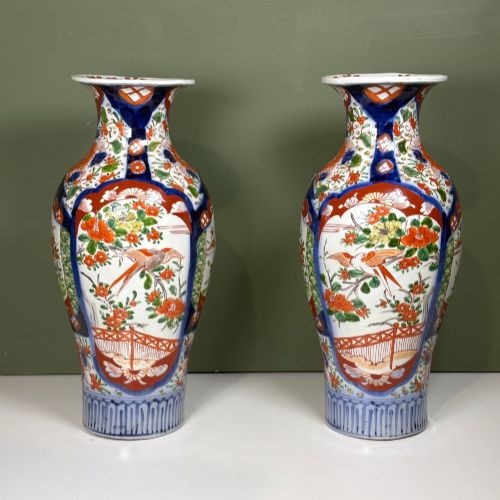
- A style of Japanese export porcelain decorated in underglaze blue, iron red, and gilt, originating from the town of Arita. These wares gained immense popularity in European households during the seventeenth and eighteenth centuries.
- Ginger jar
- A high-shouldered ceramic vessel with a rounded body and short neck, originally designed for storing spices and preserved ginger. They frequently appear converted into table lamps with matching wooden bases.
- Crackleware
- Pottery featuring a network of fine intentional cracks or crazing in the glaze layer, often highlighted with a darker stain to accentuate the texture. This decorative technique appears frequently on nineteenth-century Chinese export porcelain.
- Prunus
- A decorative motif depicting the blossoms of the plum tree, traditionally symbolising endurance and resilience through winter. It forms the primary pattern on many nineteenth-century blue and white export jars.
- Sevres style
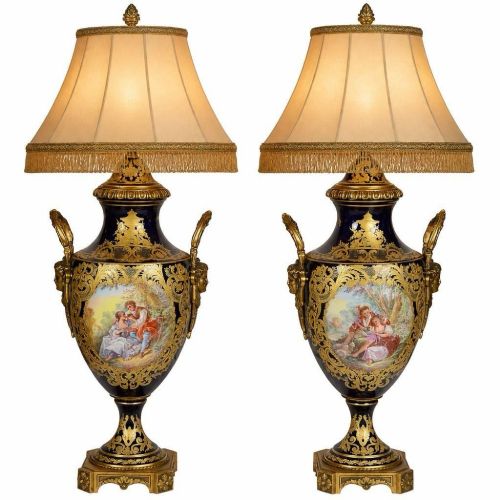
- European ceramic decoration emulating the soft paste porcelain and rich ground colours produced by the French royal factory. These pieces often incorporate gilt bronze mounts and ornate painted panels.
Blue Porcelain Table Vases: Frequently Asked Questions
Are these vases damaged by being turned into lamps?
Most conversions involve drilling a discrete hole through the base or mounting the vessel with brass brackets to accommodate electrical wiring. This adaptation was often undertaken decades ago to give fragile historical vessels a functional purpose in modern interiors.
Buyers should examine how the fitting rests on the ceramic body to ensure the structure remains secure and stable without relying on aggressive adhesives.
How do I tell Chinese export ware from Japanese Imari?
Chinese blue and white porcelain relies primarily on cobalt cobalt painting beneath a clear glaze, focusing on botanical scenes, dragons, and landscapes. Japanese Imari incorporates a distinctive palette of underglaze blue combined with vibrant iron red and gilt highlights over the glaze.
The clay body on Japanese pieces can also feel slightly drier or denser compared to the refined smoothness of certain Chinese export bodies.
Can the electrical fittings be updated safely?
Electrical components fitted to antique ceramic bodies can be rewired by a qualified professional to meet current safety standards. The process uses standard brass or bronze hardware that respects the historical mounts already present on the lamp.
It is advisable to consult an electrician who has experience handling antique bases and delicate ceramic necks.