


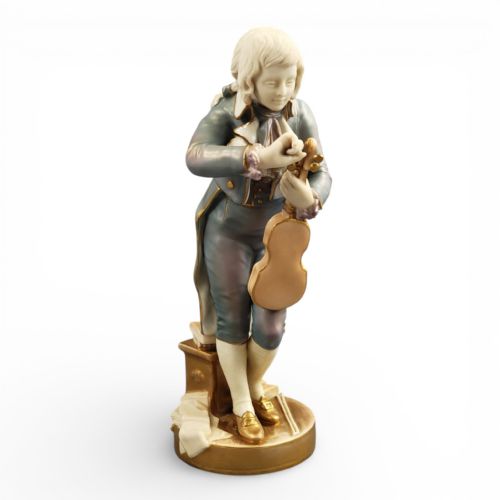


Blue Porcelain Statue
A blue porcelain statue brings ceramic portraiture and animal sculpture into a room, combining painted or glazed colour with modelled form.
Blue Porcelain Statue
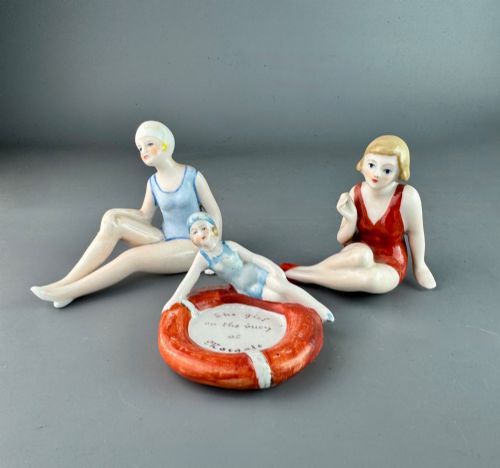
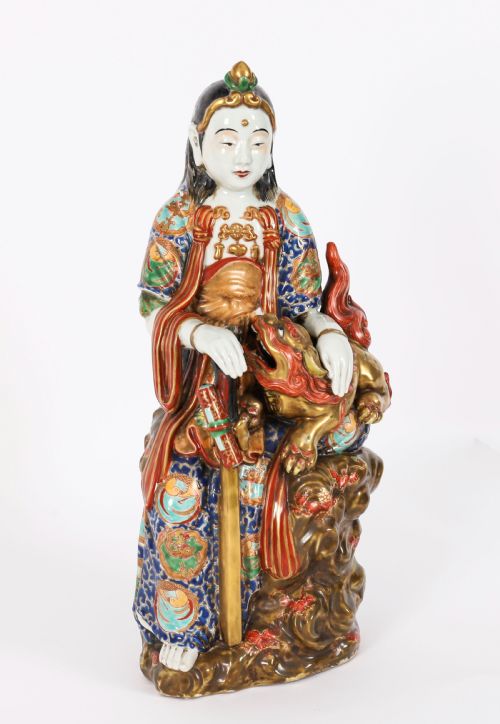
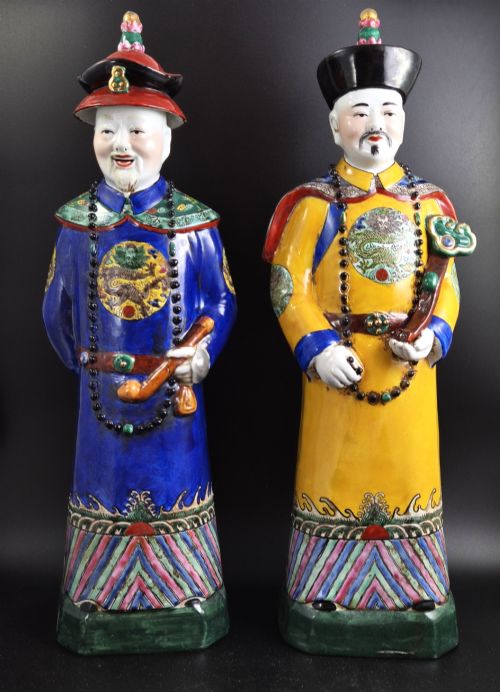
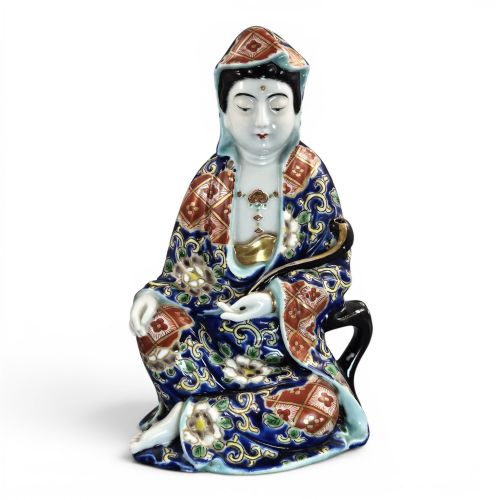
A blue porcelain statue encompasses figurative ceramics, portrait busts, and animal studies spanning European and Asian traditions. Buyers encounter everything from Staffordshire pairs and Meissen groups to Japanese Kutani deities and Chinese turquoise-glazed figures.
The selection ranges across the nineteenth century into the twentieth century, covering Victorian, Edwardian, and Art Deco periods. These pieces represent human subjects, mythological figures, and animals modelled in porcelain, earthenware, and bisque.
Materials and methods
Makers shaped these sculptures from porcelain, earthenware, and unglazed bisque porcelain, often applying coloured glaze, enamel, and gold leaf highlights. Cobalt blue pigment frequently provides the characteristic palette, appearing beneath or over the transparent glaze.
Factories utilised moulding and hand-modelling techniques, followed by high-temperature kiln firing to vitrify the ceramic body. Enamels and gilding were added in subsequent lower-temperature firings to fix the surface decoration.
Blue Porcelain Statue Retail Price Guide 2026
Typical asking prices for blue porcelain statue among the pieces listed under this phrase on Sellingantiques today, from the lower quarter to the upper quarter. They describe what is for sale here now, not the wider market.
Represented forms include human figures, deities, portrait busts, birds, and animals set against nineteenth and twentieth-century periods.
Judging the work
The sophistication of the painting and the precision of the gilding separate standard output from works produced by leading manufactories. The balance of the glaze coat, absence of kiln distortion, and fidelity to the original model dictate the standing of a piece.
Meissen·Royal Worcester·Royal Copenhagen·Royal Doulton
The Blue Porcelain Statue Glossary
- Bisque porcelain
- Un-glazed white ceramic fired once to create a matte, marble-like surface texture suitable for detailed portrait busts.
- Glaze
- A glassy coating fused to the ceramic body during firing, providing colour, shine, and impermeability.
- Gold leaf
- Extremely thin gold beaten into sheets and applied to the porcelain surface for decorative highlights.
- Enamel
- Opaque or translucent coloured glass fused onto the fired ceramic surface at lower temperatures.
- Figurine
- A small carved or modelled statue representing a human or animal subject.
Blue Porcelain Statue: Frequently Asked Questions
How do I care for my porcelain statue?
Keep the piece away from direct sunlight to protect enamel colours and gold leaf highlights from fading over time.
Dust gently with a soft, dry brush, avoiding harsh chemical cleaners that can damage the delicate glaze.
Are these figures solid or hollow?
Most porcelain statues are cast as hollow forms to ensure even heat distribution and prevent cracking during high-temperature kiln firing.
Base openings often reveal the inner ceramic wall and manufacturing characteristics.
What is bisque porcelain?
Bisque porcelain is unglazed ceramic that has undergone a firing process to produce a matte, porous surface resembling carved marble.
This material gained popularity for classical portrait busts and detailed figurative groups.
How do I date a ceramic figure?
Dating relies on factory marks, style periods, glaze characteristics, and the handling of the ceramic body.
Comparative analysis with documented examples from specific decades helps establish the timeframe of manufacture.