




Blue Porcelain Birds
Blue porcelain birds bring painted plumage and cobalt grounds to tables, mantels and cabinets.
Blue Porcelain Birds
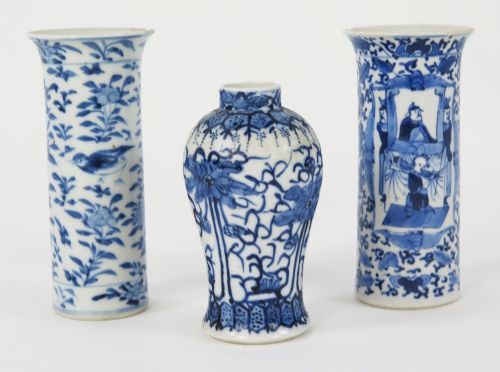
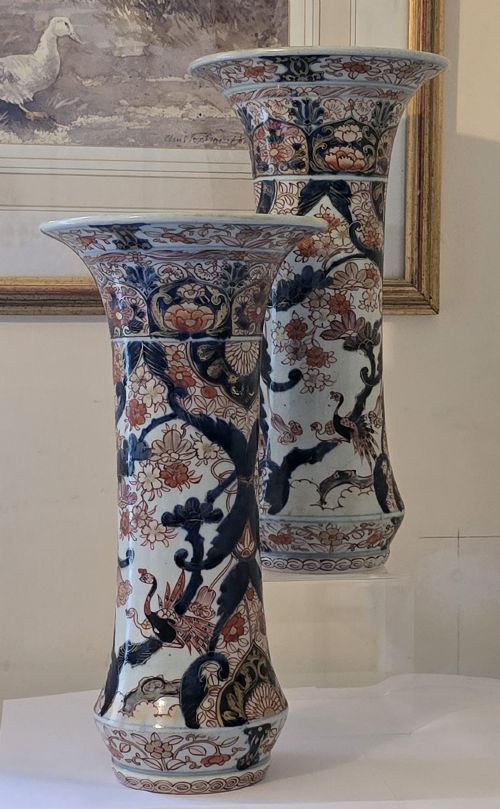
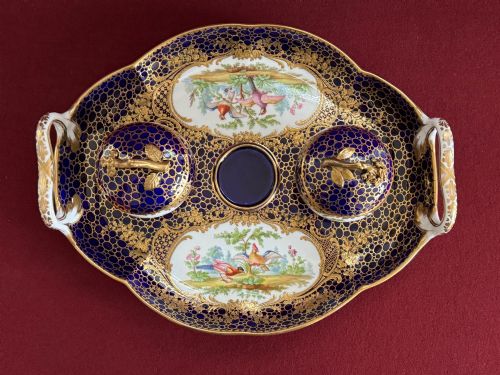
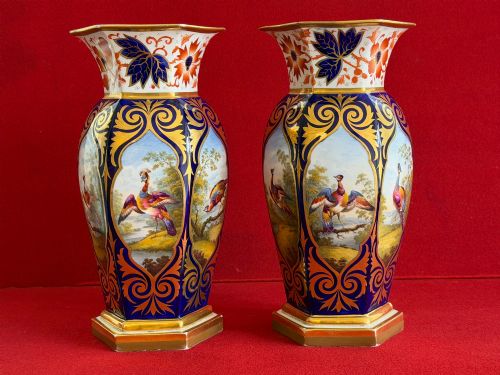
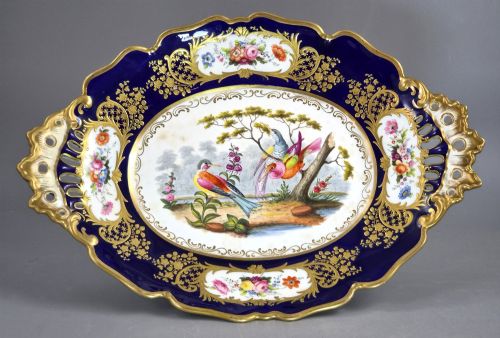
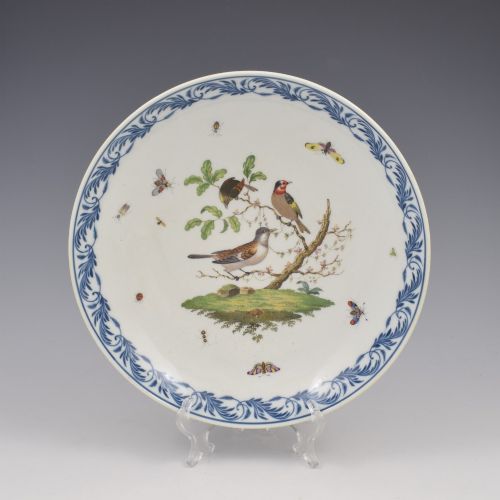
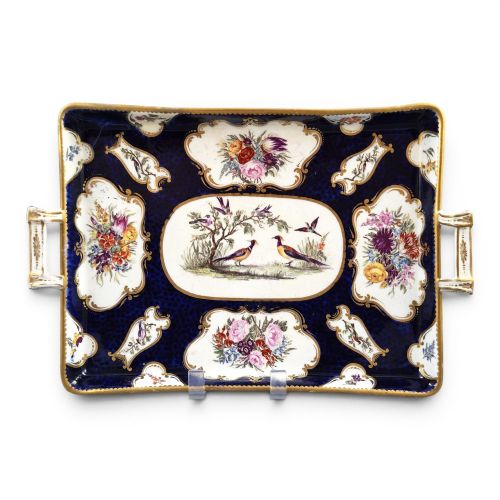
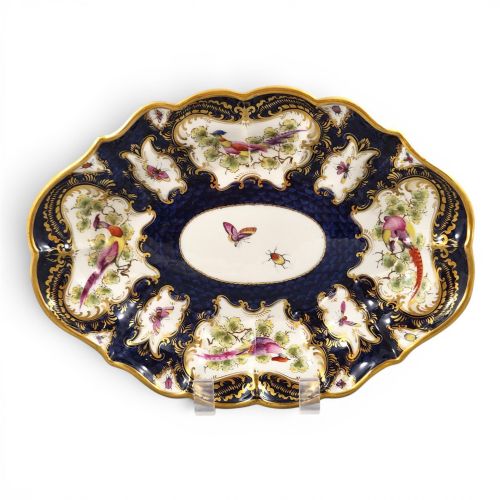
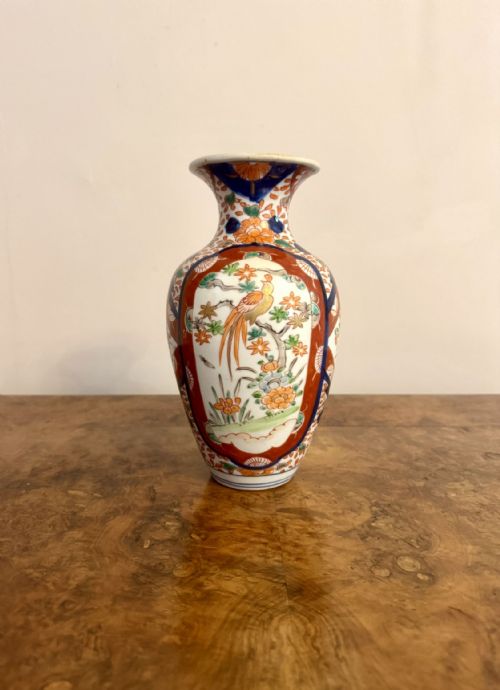
When searching for blue porcelain birds, a buyer encounters hand-painted avian subjects on ceramic bodies, from 18th century English tableware to Meiji period Japanese imari chargers. The items span dessert dishes, vases, inkstands and plates, reflecting centuries of European and Asian ceramic traditions.
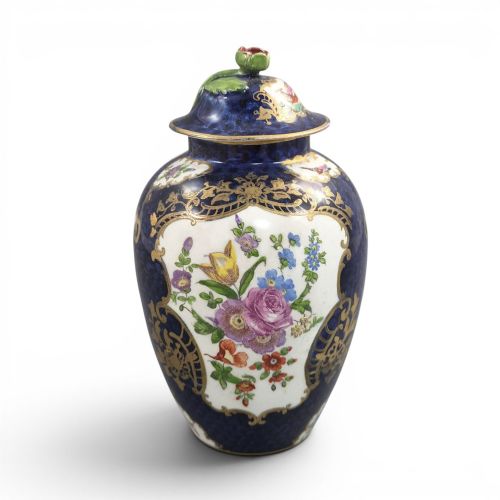
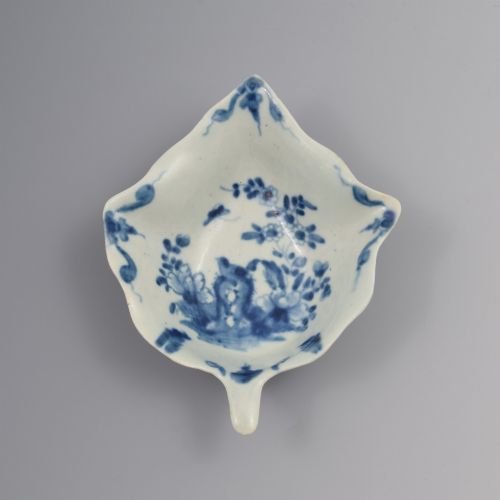
English factories such as Worcester, Minton and Coalport appear frequently alongside Japanese imari and Dutch delft pieces. These works range from small pickle leaf dishes to large decorative plates and covered jars, often featuring cobalt blue grounds and exotic feathered subjects.
The objects combine functional utility with decorative painting, uniting tablewares and cabinet pieces under a shared interest in ornithological art. Pieces from the Georgian, Victorian and Edwardian eras sit alongside earlier Chinese and Japanese wares.
How they were made
Ceramic bodies are shaped from porcelain, soft-paste porcelain, earthenware or ceramic, then finished with glaze. Cobalt blue underglaze provides the deep blue backgrounds seen on many pieces, while enamel and gold leaf add surface detail.
Painters apply manual brushwork to depict birds, flora and rock patterns, using hand-painted methods that vary from factory to factory. Gilding and lustre finishes are added during secondary firings to highlight rims and decorative panels.
Blue Porcelain Birds Retail Price Guide 2026
Typical asking prices for blue porcelain birds among the pieces listed under this phrase on Sellingantiques today, from the lower quarter to the upper quarter. They describe what is for sale here now, not the wider market.
The inventory includes pieces from the 16th century through the 20th century, utilising porcelain, earthenware, glaze and gold leaf.
What varies in quality
The refinement of the hand painting sets apart different examples, particularly in the rendering of avian plumage and facial details. Skilled brushwork by named artists or established factory traditions creates sharper definition in the birds and floral motifs.
The depth and consistency of the glaze and cobalt blue ground also influence the visual impact of a piece. High quality is further marked by the crispness of the porcelain moulding, particularly on shell-shaped dishes and pierced vessels.
Flight, Barr and Barr·Royal Worcester·Coalport·Minton·Samson of Paris
The Blue Porcelain Birds Glossary
- Imari
- A style of Japanese porcelain featuring underglaze blue, iron red and gold, originating in Arita and widely imitated in Europe.
- Soft-paste porcelain
- A ceramic material composed of clay and glass frit, fired at lower temperatures than hard-paste porcelain and common in 18th-century English factories.
- Underglaze
- Pigment applied to a ceramic body before the glaze is fired, protecting the colour beneath a glassy coating.
- Pickle dish
- A small, often shell- or leaf-shaped dish used at table for pickles and relishes during the 18th and 19th centuries.
- Enamel
- Coloured vitreous glass fused to the surface of fired porcelain over the glaze in subsequent low-temperature firings.
Blue Porcelain Birds: Frequently Asked Questions
How do I date a Worcester bird plate?
Makers marks, factory periods and style details help establish the age of Worcester pieces. Early examples often feature crescent marks or workman symbols from the 18th century, while later Victorian and Edwardian items carry standard printed ciphers.
Examining the paste, glaze texture and the style of the bird painting also points toward specific decades of production.
Were these bird dishes used for dining?
Many items, including dessert dishes, soup plates and tea plates, served practical functions at grand tables. They held sweetmeats, fruit or side dishes during multi-course meals.
Other forms, such as cabinet vases and decorative chargers, were made strictly for display in drawing rooms and parlours.
What is scale blue?
Scale blue is a distinctive dark blue patterned ground resembling fish scales, developed at the Worcester factory in the 18th century. Painters applied the pattern by hand around reserved white panels containing birds and flowers.
Later factories revived this ground style on Victorian vases and dessert services.
How should I display blue porcelain birds?
Cabinet plates and chargers sit well on sturdy plate stands inside enclosed display furniture to protect the painted surfaces from dust and light. Vases and jars can be placed on mantels or side tables away from direct foot traffic.
Avoid positioning delicate enamel and gilded pieces in strong direct sunlight to preserve the surface colours.