


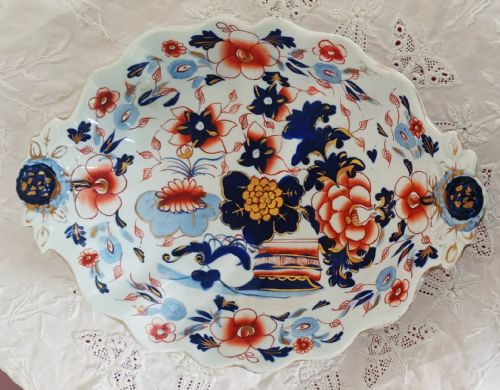


Blue Pedestal Dish
A blue pedestal dish brings height and rich cobalt or transfer-printed colour to a table, offering a stately way to present fruit or sweets.
Blue Pedestal Dish
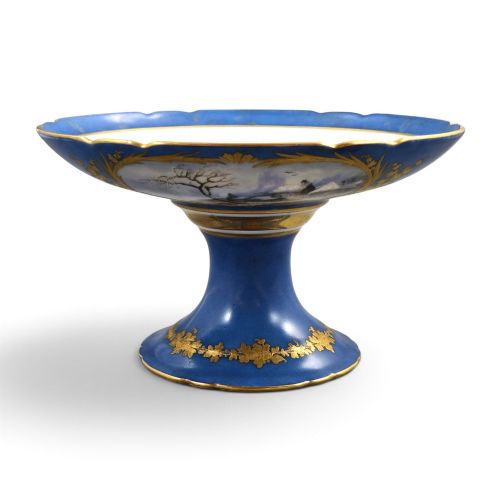
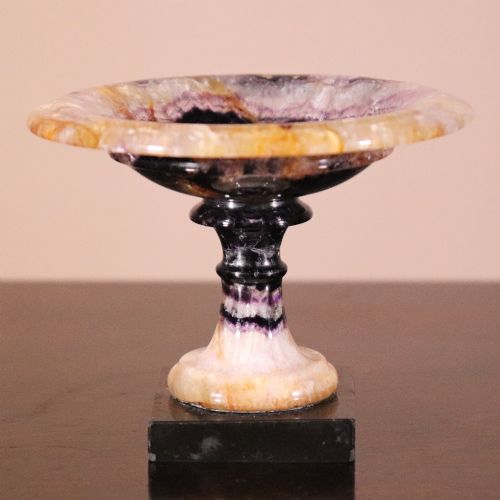
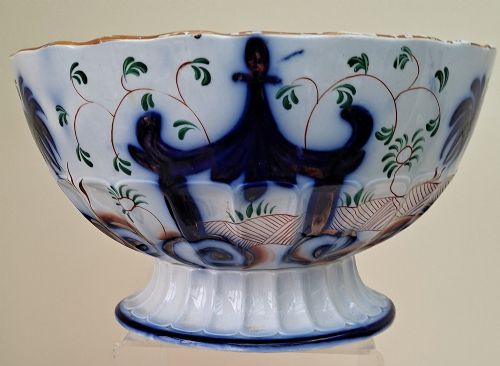
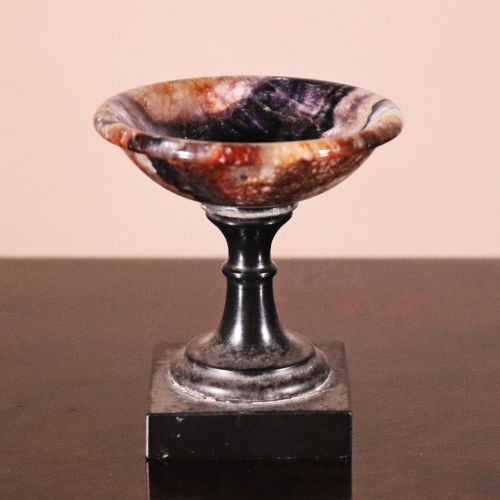
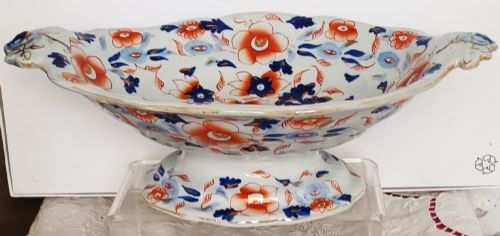
A blue pedestal dish sits raised upon a foot or base, combining display utility with striking ceramic, glass, or stone colour. When searching for a blue pedestal dish, buyers encounter various forms including tazzas, comports, and footed fruit bowls.
The selections span centuries, featuring 18th century pearlware, extensive 19th century ironstone and porcelain examples, and later Arts and Crafts or Art Deco creations. Ironstone and earthenware versions with transfer-printed blue patterns appear frequently across the periods.
Many items originate from English potteries, while others draw upon French, German, or Chinese craftsmanship, incorporating materials like Blue John or gilt bronze. These elevated vessels serve as decorative centrepieces or serving bowls.
Materials and construction
Potters shaped earthenware, ironstone, and porcelain on the wheel or pressed them into moulds before applying rich blue glazes, transfer printing, or enamel hand-painting. Artisans often secured these bowls upon distinct pedestals or incorporated bronze, ormolu, and silver mounts.
Mineral pigments delivered deep blue tones, sometimes enhanced with gilt highlights or gilding fired onto the ceramic body. Workers also utilised decorative stone such as Blue John alongside enamel, glass, and copper to construct elevated tazzas and centrepieces.
Blue Pedestal Dish Retail Price Guide 2026
Typical asking prices for blue pedestal dish among the pieces listed under this phrase on Sellingantiques today, from the lower quarter to the upper quarter. They describe what is for sale here now, not the wider market.
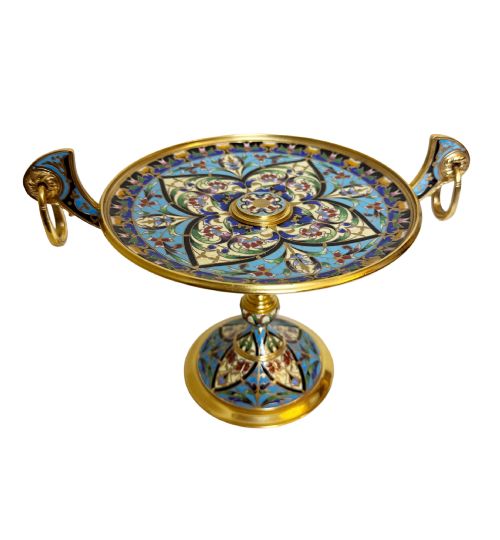
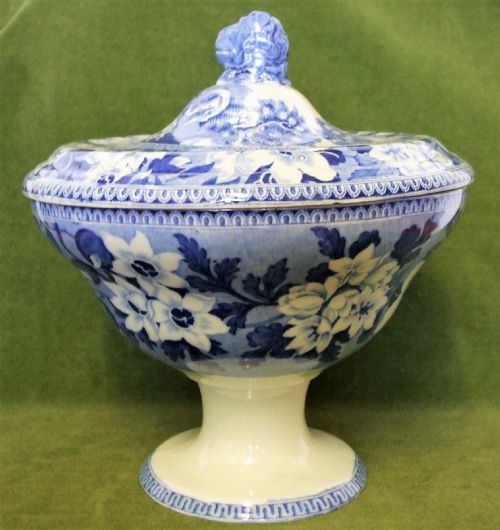
Transfer-printed blue and white pottery sits alongside vibrant enamel, lustre glazes, and champlevé bronze tazzas.
Assessing quality and craftsmanship
Excellence in a blue pedestal dish rests on the crispness of the transfer print, the depth of the glaze, and the precision of any hand-painted enamelling. Superior examples display balanced proportions between the elevated bowl and its foot.
The refinement of the mounting work, whether cast ormolu, champlevé, or silver, distinguishes finer decorative pieces from standard utility wares. Potter proficiency dictates the clarity of the blue ground and the stability of the pedestal construction.
Minton·Sèvres·John Rogers and Son·Maling·Wedgwood·Davidson·Copeland and Garrett·Spode·Moorcroft
The Blue Pedestal Dish Glossary
- Pedestal bowl
- A vessel raised upon a central foot or base. This form elevates the contents for display.
- Tazza
- A shallow saucer or bowl mounted on a stem and foot. Often used for serving fruit or sweets.
- Comport
- A large standing dish or bowl used on the dining table. They frequently appear in pairs or sets during the 19th century.
- Transfer printing
- A process where an engraved metal plate transfers a design onto paper and then onto pottery. This technique allowed intricate blue patterns to be mass-produced.
- Pearlware
- A fine earthenware developed in the late 18th century with a bluish glaze that pooled in crevices. It bridged the gap between creamware and true porcelain.
Blue Pedestal Dish: Frequently Asked Questions
What is a blue pedestal dish used for?
These elevated vessels traditionally served fruit, sweetmeats, or cakes at formal dining tables, adding vertical interest to a spread.
Today, collectors use them as standalone decorative centrepieces or display items to introduce rich colour into a room.
How do I date a blue pedestal dish?
Dating relies on identifying the ceramic body, such as early pearlware versus later ironstone, alongside maker marks and stylistic clues.
Periods range from the 18th century through the Victorian era into 20th-century Arts and Crafts and Art Deco designs.
How should I clean my antique pedestal bowl?
Dusting gently with a soft cloth or washing by hand in warm soapy water preserves the glaze and any delicate gilt highlights.
Harsh abrasives and dishwashers must be avoided to protect antique ceramic surfaces, enamels, and metal mounts.