




Blue Paper Watercolour
Blue paper watercolour works capture light and mood through pigment laid directly onto tinted grounds, offering an atmospheric depth that standard white paper simply cannot replicate.
Blue Paper Watercolour
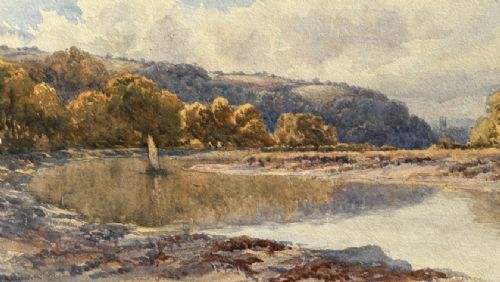
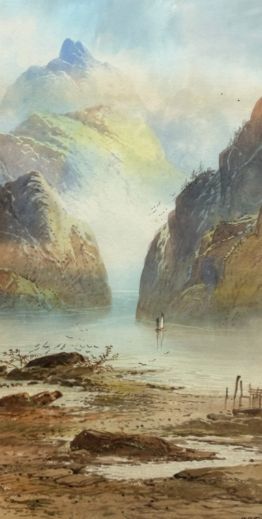
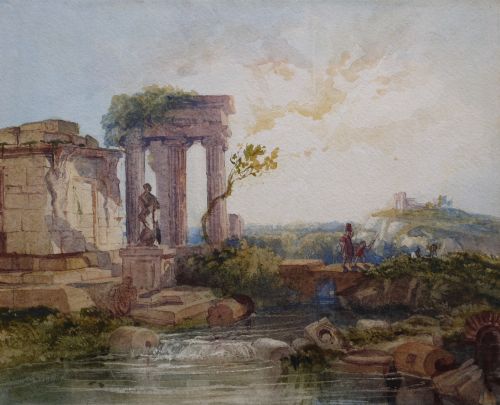
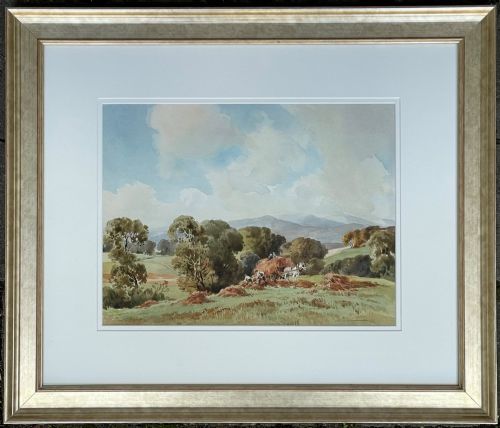
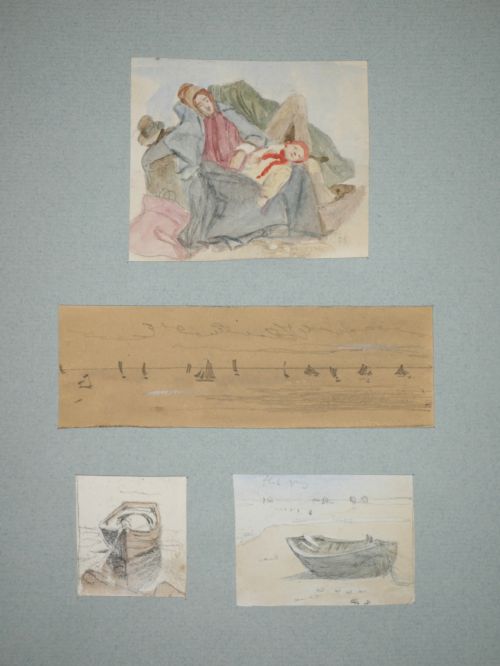
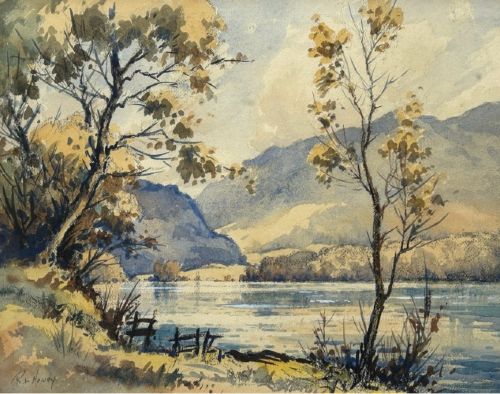
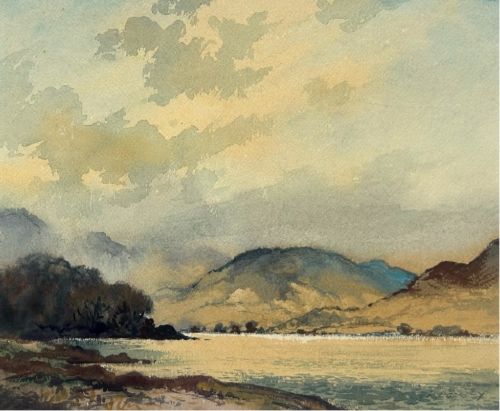
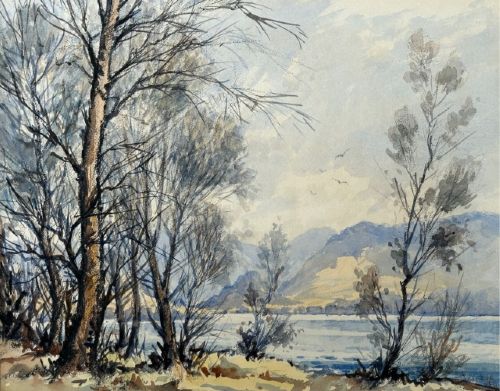
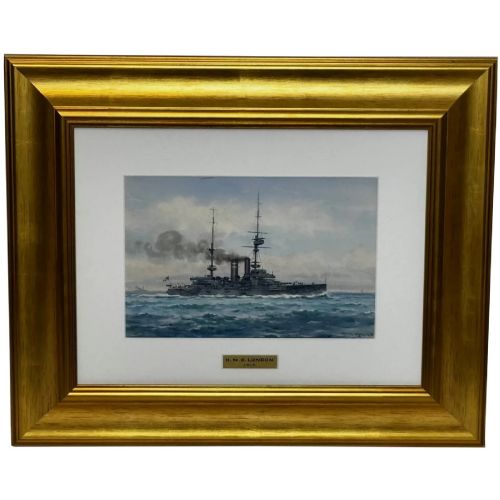
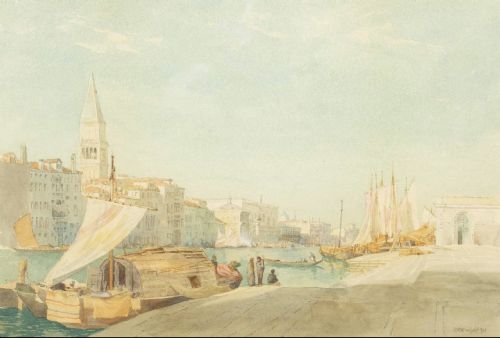
A blue paper watercolour brings together fine art paintings and sketches executed on tinted blue or grey-blue supports, spanning the nineteenth century through to the mid-twentieth century. When searching for blue paper watercolour, collectors find works ranging from Victorian landscapes and maritime scenes to early twentieth-century British impressionism and mid-century modern pieces.
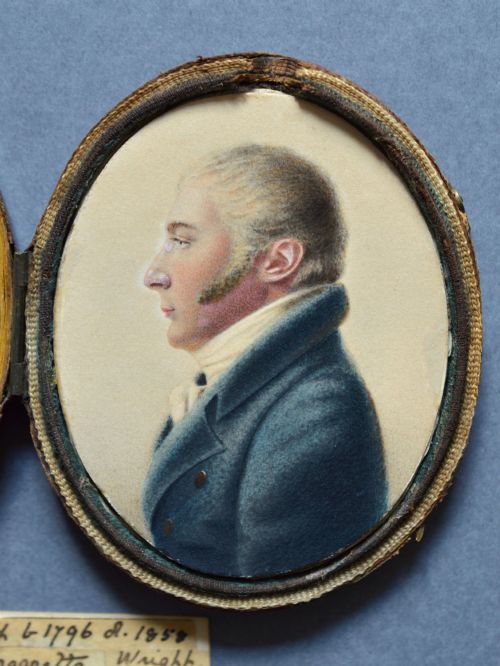
The use of a blue background fundamentally alters how watercolour pigment behaves, allowing artists to deploy body colour and opaque white highlights to dramatic effect. These pieces frequently capture coastal views, river landscapes, portraits and architectural studies where the tinted paper acts as an immediate mid-tone for sky, water or shadow.
How they were made
Artists executed these works using watercolour pigment, ink and body colour upon sheets of blue paper, sometimes framed behind glass within wood surrounds. The absorbent nature of nineteenth and twentieth-century paper required precise brushwork, as the tinted ground dictated the overall tonal balance of the finished painting.
Makers often applied Chinese white or opaque lead white alongside transparent watercolours to pick out highlights on waves, clouds or fabrics, exploiting the contrast between the cool paper and warm pigments.
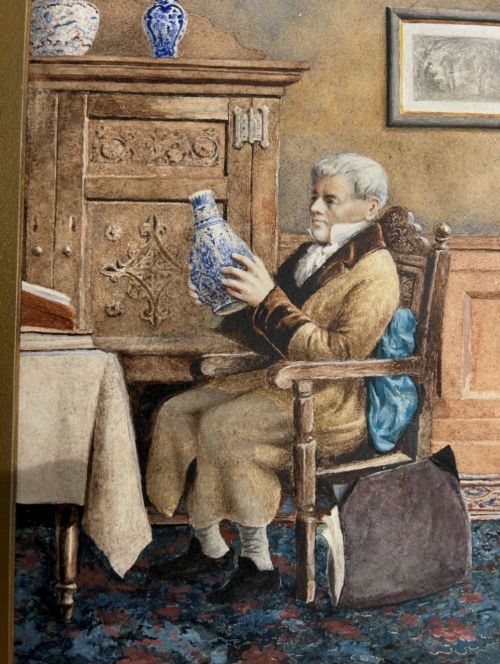
Gentlemen examining blue vases and cats hiding in corners occasionally share gallery wall space with majestic sailing ships.
What varies in quality
The distinction between ordinary and exceptional works rests upon the surety of the artist's hand and the preservation of the delicate tinted paper. Superior examples demonstrate confident brushwork and a balanced integration of the blue ground into the composition, rather than relying on heavy-handed opaque paint to obscure the background.
Provenance and attribution also elevate certain pieces, particularly when signed by established practitioners of British impressionism, the Bengal School or regional maritime traditions. Condition remains vital, as prolonged exposure to light can cause blue paper to fade or shift in tone.
David Law·James Orrock·William Henry Earp·Richard Principal Leitch·Alfred Young Nutt·Henry Stacy Marks·James Smetham·Thomas John Horsley·Robert Leslie Howey·Frank Watson Wood·Richard Henry Wright·Alfred G Morgan·William Matthison·Percy Lancaster·Cecil Beaton·Albert Ludovici Jnr·Michael Healy·Warwick Goble·Henry Barlow Carter·George F Pennington·Philip Richard Morris·Edgar Woollatt·Cornelius Pearson·Paul Delvaux·Eric Tufnell
The Blue Paper Watercolour Glossary
- Body colour
- Watercolour pigment mixed with a dense white base to create an opaque paint. This technique allows artists to paint light over dark areas.
- Ground
- The foundational surface preparation or tinted paper upon which the watercolour is applied. It establishes the baseline tone for the entire composition.
- Support
- The physical material, such as paper, holding the pigment. In these works, it typically consists of tinted blue sheets.
- Wash
- A thin, fluid layer of diluted watercolour pigment spread evenly across the paper. It creates smooth skies or atmospheric water effects.
Blue Paper Watercolour: Frequently Asked Questions
Why did artists use blue paper?
Using blue paper allowed painters to skip laying down a base wash for skies or water, saving time while providing an instant mid-tone. Artists could then build up dark shadows and add bright white highlights for immediate contrast.
This method created a moody, atmospheric quality that suited maritime scenes, dusk landscapes and impressionist studies particularly well.
Are these works signed?
Many pieces feature artist signatures, monograms or period inscriptions in the margins or lower corners. However, unassigned works from established movements like British impressionism frequently appear without signatures.
Style, subject matter and material composition often provide the primary clues for dating and attribution when a signature is absent.
What periods do these pieces span?
The available selection primarily encompasses nineteenth-century Victorian works, Edwardian pieces, and mid-century examples up to the 1960s. Each era brought different stylistic priorities, from detailed topographical views to looser impressionist interpretations.
Early twentieth-century and mid-century maritime paintings frequently utilise the blue paper ground to evoke stormy seas and overcast skies.