




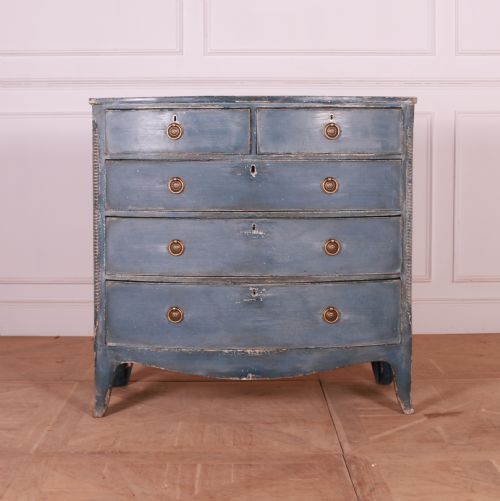


Blue Painted Wooden Dresser
A blue painted wooden dresser or related regional storage piece brings immediate colour and vernacular character into a room.
Blue Painted Wooden Dresser
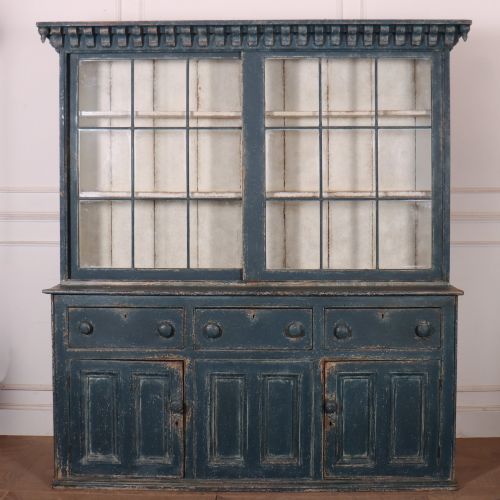
When searching for a blue painted wooden dresser, buyers encounter a diverse selection of regional storage furniture spanning several centuries. The pieces available range from English country furniture and Irish library bookcases to continental European commodes and cupboards.
The domestic forms recorded on this page include chests of drawers, dresser bases, kitchen cupboards, linen cupboards, and bookcases. These items reflect traditional storage needs across British, Scandinavian, French, Italian, and Austrian domestic interiors.
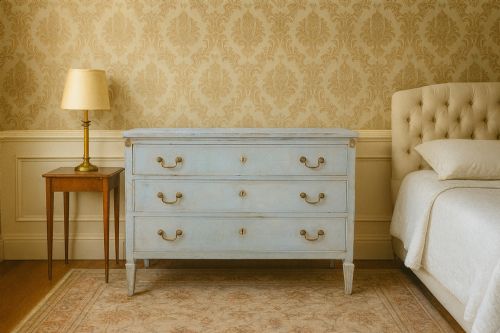
Dating primarily from the eighteenth and nineteenth centuries, these items showcase regional furniture traditions. Buyers meet vernacular pieces alongside refined interpretations such as Gustavian, Louis XVI, and Baroque Revival styles.
Materials and construction
Carpenters constructed these items predominantly using pine and oak as the primary carcassing timbers. Secondary woods often supported internal partitions and drawer linings while exterior surfaces received layers of decorative paint.
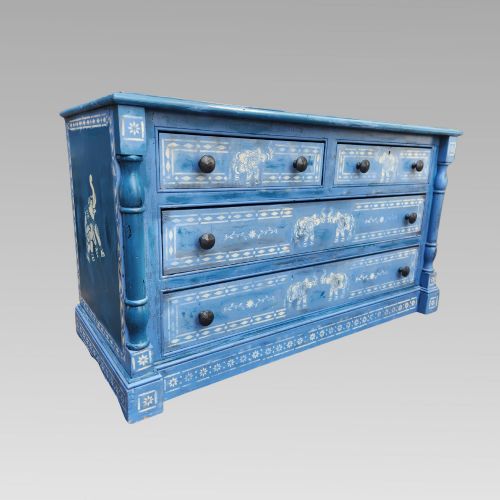
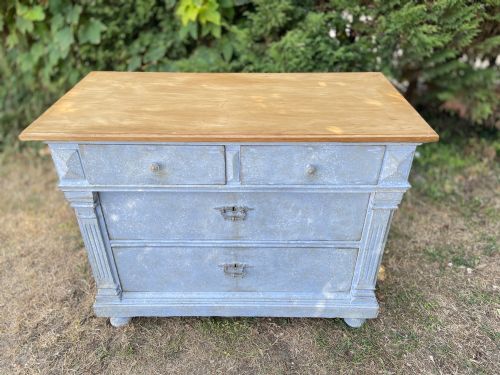
Surface decoration frequently involves traditional techniques such as ragwork painting or hand-painted finishes applied over wood. Metal elements including brass and iron provide functional hardware for handles, escutcheons, and hinges.
Blue Painted Wooden Dresser Retail Price Guide 2026
Typical asking prices for blue painted wooden dresser among the pieces listed under this phrase on Sellingantiques today, from the lower quarter to the upper quarter. They describe what is for sale here now, not the wider market.
Geographic origins span English, Irish, Scandinavian, French, Italian, and Austrian cabinetmaking traditions.
Evaluating craftsmanship and surface
Quality in these painted pieces rests upon the integrity of the timber framing and the preservation of the original or early surface finish. Superior examples display balanced proportions and robust joinery that withstands centuries of domestic use.
The sophistication of the painted decoration distinguishes finer items from simpler utilitarian pieces. Artisans who executed skilled brushwork or sophisticated layering created surfaces that define the visual distinction of the higher tier.
The Blue Painted Wooden Dresser Glossary
- Commode
- A low cabinet or chest of drawers designed with decorative proportions. This French form appears frequently in continental European traditions.
- Dresser base
- The lower section of a traditional kitchen or dining room storage unit featuring drawers and cupboards. These heavy timber pieces served central roles in food preparation and tableware storage.
- Ragwork
- A decorative paint technique where rags or cloths create textured patterns on the timber surface. Artisans utilised this method to imitate more expensive materials or add visual depth.
- Gustavian
- The Swedish interpretation of French neoclassical design characterised by lighter proportions and restrained ornamentation. This style emerged during the late eighteenth century under King Gustav III.
Blue Painted Wooden Dresser: Frequently Asked Questions
How do I date a painted wooden piece?
Dating relies upon examining construction methods, timber selection, and nail types used inside the drawers and carcass. Secondary evidence comes from the style of the hardware and the layering of the paint.
Earlier eighteenth-century examples display hand-cut joinery and forged iron fittings. Nineteenth-century items often incorporate machine-sawn components alongside traditional assembly techniques.
Where were these painted cupboards made?
The pieces originate from various European regions including Scandinavia, the British Isles, France, Italy, and Austria. Each region developed distinct cabinetmaking traditions that influenced form and decoration.
Swedish and Austrian workshops produced distinctive folkloric pieces, while English and Irish makers focused on practical domestic storage units.
How should I care for a painted finish?
Maintaining historical painted surfaces requires avoiding harsh chemical cleaners and keeping the furniture away from direct sunlight and excessive humidity. Regular dusting with a soft, dry cloth preserves the decorative layers.
Applying microcrystalline wax can protect vulnerable painted areas if the finish is stable and dry. Professional conservators should assess any flaking paint before undertaking intervention.
What is a commode?
A commode is a low chest of drawers or cabinet developed in seventeenth-century France that later spread across European cabinetmaking workshops. These pieces typically stood in bedchambers and formal reception rooms.
Regional variants include serpentine fronts, diamond-point detailing, and neoclassical Gustavian decorative motifs.