





Blue Painted Chairs
Blue painted chairs bring a distinct splash of colour to a room, ranging from grand French salon seats to simple provincial benches.
Blue Painted Chairs
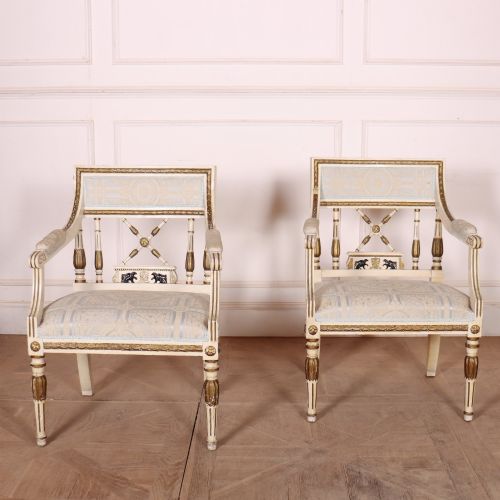
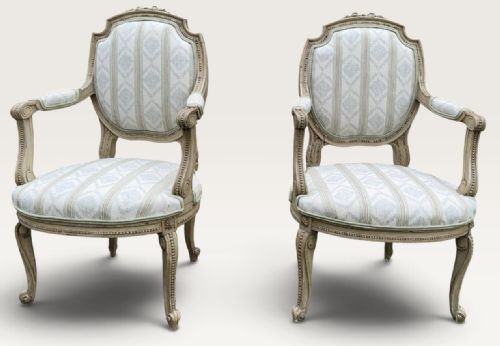
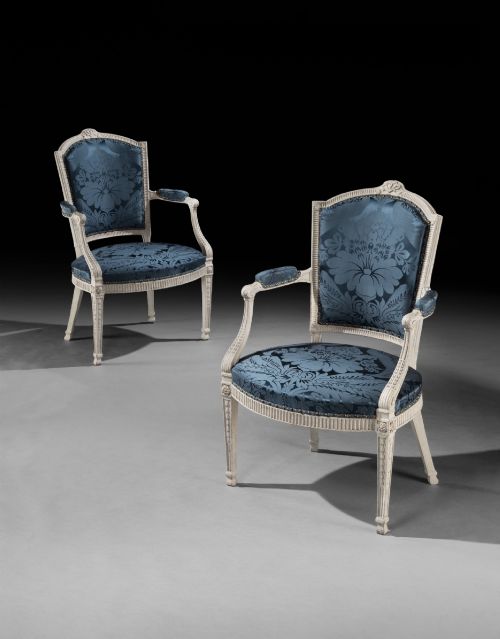
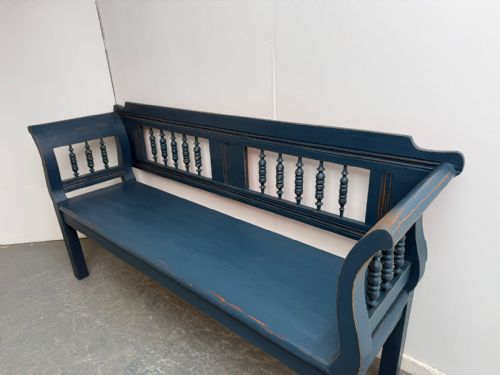
When you search for blue painted chairs, you encounter a varied collection spanning eighteenth-century examples to twentieth-century seating. The selection includes armchairs, side chairs, dining chairs, and benches originating from France, Sweden, Italy, and England.
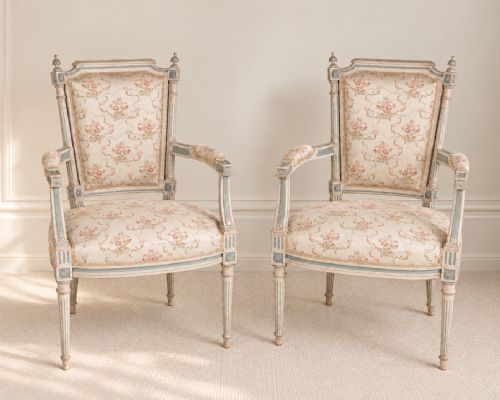
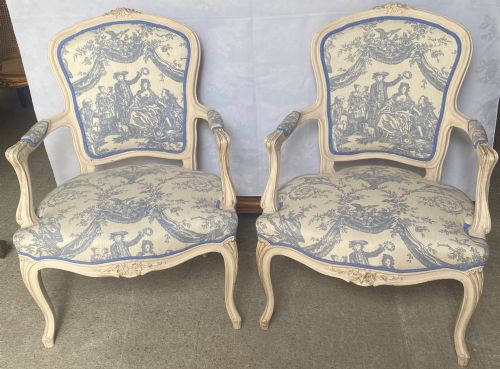
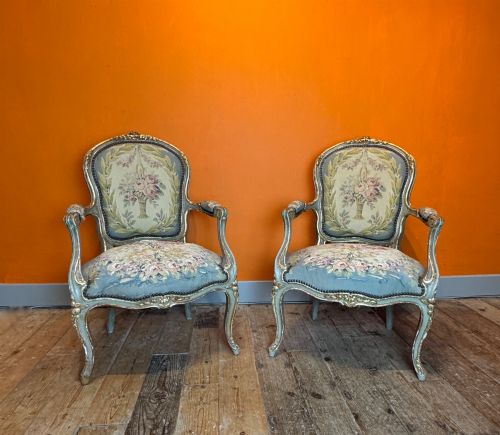
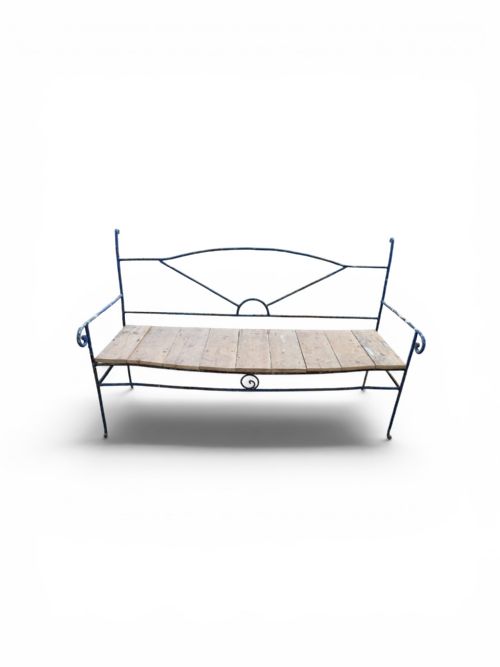
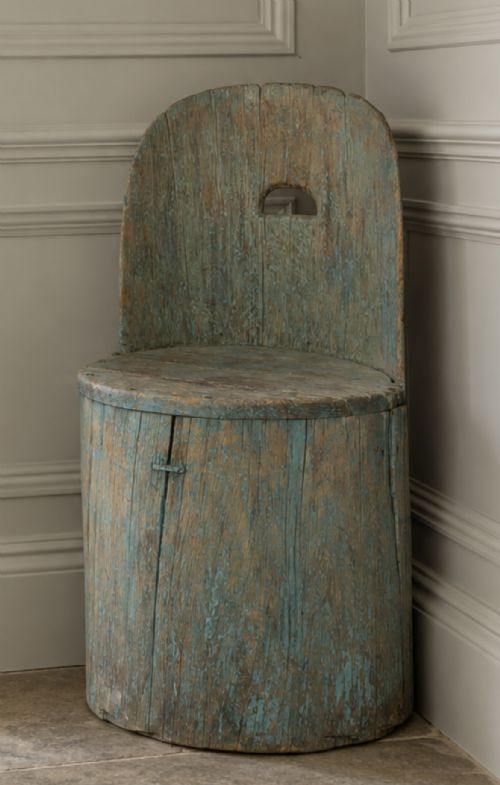
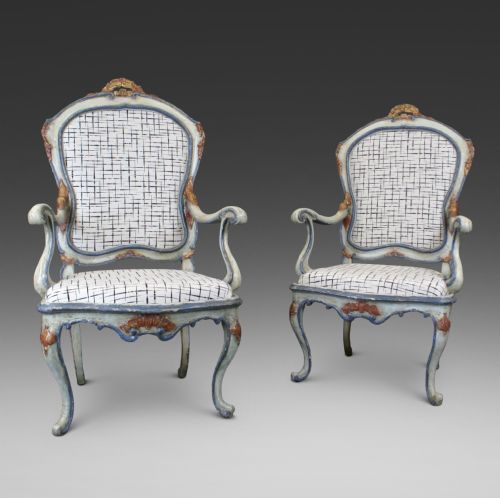
French salon chairs and Louis-style revivals dominate the choices here, often featuring carved wood finished with paint and sometimes parcel gilt. Alongside these formal seats, simpler vernacular items such as Edwardian garden benches and Swedish dug-out chairs appear.
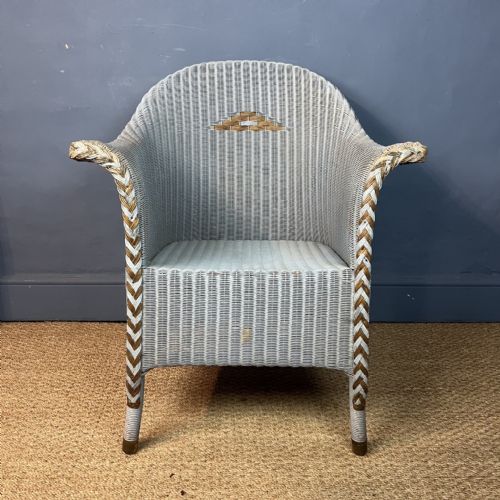
Buyers also find miniature Dutch Delft furniture and Lloyd Loom armchairs within the broader group of blue painted chairs. This mix offers both grand decorative statements and rustic seating options for different interior settings.
How they were made
The construction relies on traditional timbers such as beech, pine, and general hardwoods shaped into frames for armchairs, side chairs, and benches. Joinery methods reflect the specific period of manufacture, from eighteenth-century cabinet-making techniques to early twentieth-century production.
Surfaces receive layers of paint, sometimes applied over gesso, with occasional applications of gold leaf to highlight carved details. Upholstery materials include fabric and tapestry, whilst some dining chairs utilise caning within the wooden framework.
Blue Painted Chairs Retail Price Guide 2026
Typical asking prices for blue painted chairs among the pieces listed under this phrase on Sellingantiques today, from the lower quarter to the upper quarter. They describe what is for sale here now, not the wider market.
Among the full-sized seating, four tiny Dutch Delft miniature furniture pieces finished in blue and white quietly hold court.
What varies in quality
The standard of carving and the integrity of the wooden frames set individual pieces apart. Finer examples display crisp detail in the woodwork and retain their original painted surfaces rather than later retouched finishes.
The authenticity of the finish and the quality of the underlying construction dictate the standing of each piece. Retained original upholstery or period textiles add considerable weight to the character of the seating.
The Blue Painted Chairs Glossary
- Fauteuil
- An open-framed upholstered armchair with exposed wooden arms originating in France during the eighteenth century.
- Bergere
- A closed armchair with upholstered back and sides enclosed by wooden frames, often featuring a loose seat cushion.
- Parcel Gilt
- A decorative technique where specific carved areas of a painted wooden surface are selectively highlighted with gold leaf.
- Caning
- Woven rattan or split cane utilised for the seats or backs of chairs to provide a resilient and flexible support.
- Louis XVI Style
- A neoclassical design aesthetic characterised by straight tapered legs, geometric forms, and restrained classical carving.
Blue Painted Chairs: Frequently Asked Questions
What periods do these chairs come from?
The pieces span from the eighteenth century through the nineteenth century and into the early twentieth century. This includes specific periods like the Edwardian era and the Victorian period.
Craftsmanship and decorative styles align with the prevailing tastes of each respective era, showing influences from French provincial design to Swedish neoclassical movements.
Are these chairs suitable for daily dining?
Sets of dining chairs, such as the French Louis XVI style caned chairs, are built for regular seating use around a table. Their robust wooden frames and woven seats accommodate daily routines.
Other items, such as delicate boudoir chairs or miniature decorative pieces, serve more ornamental roles within a home rather than heavy everyday seating.
How do I care for original painted surfaces?
Painted wooden furniture requires gentle dusting with a soft, dry cloth to prevent accumulation of dirt. Avoid harsh chemical cleaners or excess moisture that might damage the historic finish.
Keeping pieces away from direct sunlight and dramatic temperature swings helps preserve both the paint and the underlying timber frame.
How do I tell an 18th century chair from a revival piece?
Eighteenth-century pieces display hand-cut joinery methods, wear patterns consistent with age, and construction details specific to that era's workshop practices. Revival pieces from the nineteenth or twentieth centuries often replicate these historical styles using manufacturing methods of their own time.
Examining the underside of the frame, the tool marks on the wood, and the composition of the paint layers reveals clues about the actual date of manufacture.