

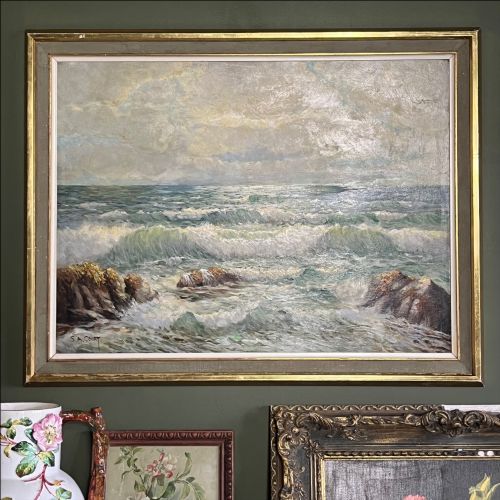
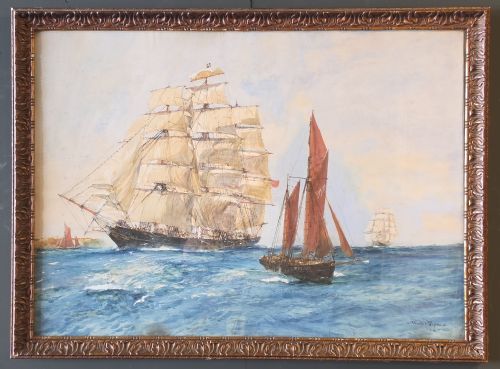
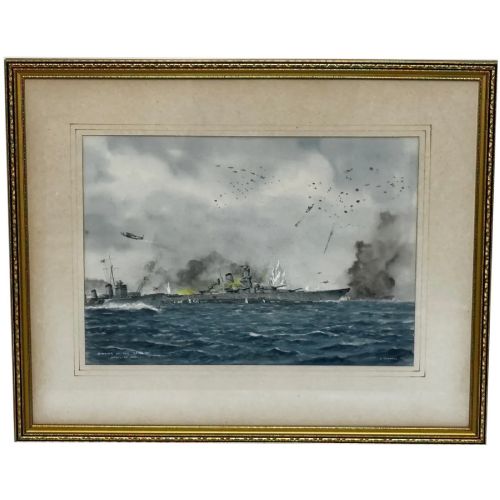

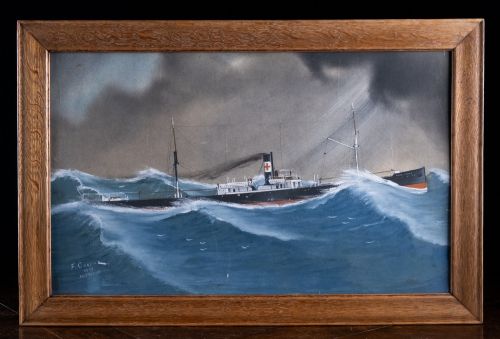


Blue Ocean Seascape Artwork
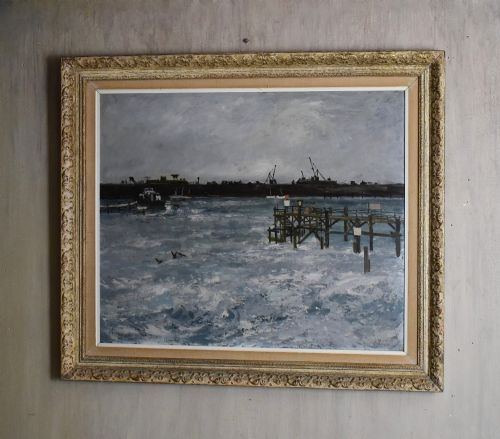
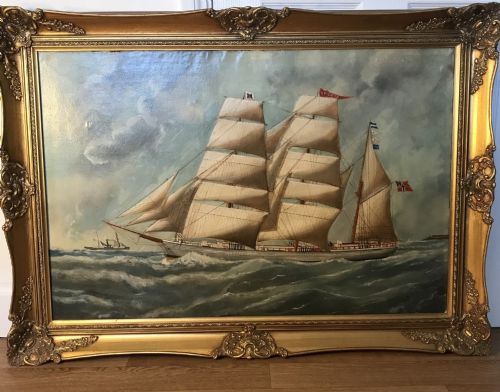
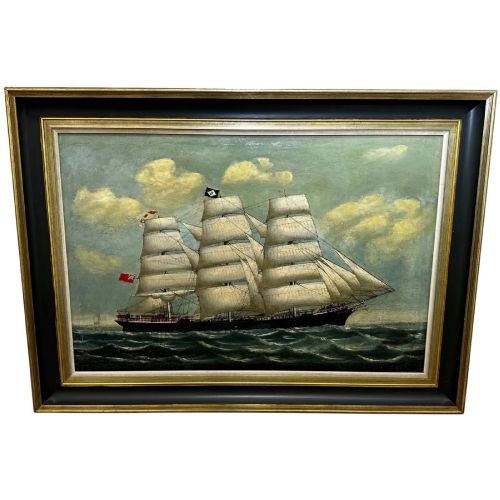
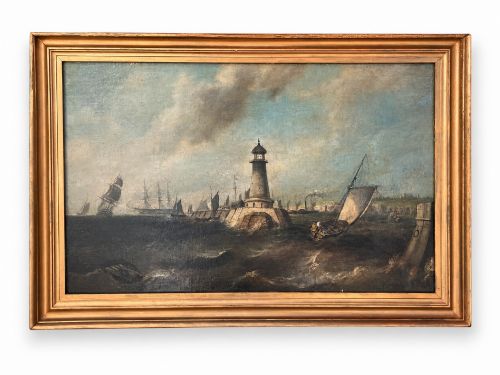
These pieces of blue ocean seascape artwork capture open waters and coastal harbours through the eyes of painters working from the nineteenth century onwards.
Blue Ocean Seascape Artwork
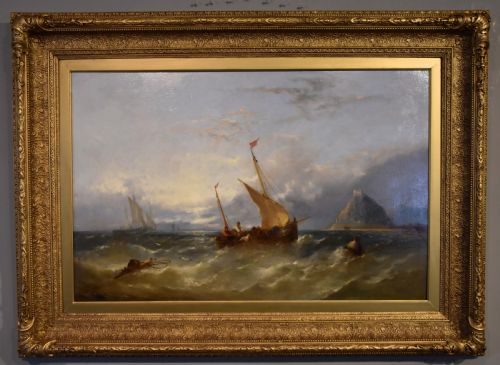
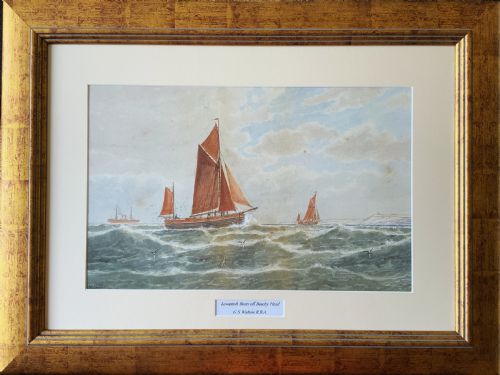
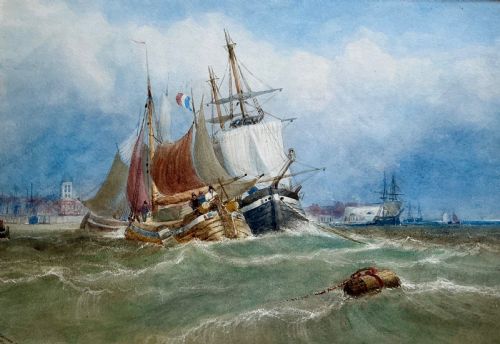
A blue ocean seascape artwork gathers framed paintings and watercolours depicting marine subjects, coastal inlets and deep water shipping. These pieces range from nineteenth-century Victorian marine scenes to mid-twentieth-century impressionist coastal views.
The selections available lean heavily toward traditional English, Scottish and Cornish coastal scenes alongside broader European and international maritime traffic. Collectors encounter everything from rapid en plein air watercolours to large oil paintings on canvas.
Works frequently document specific vessels, local fishing fleets and historic lighthouses under changing weather conditions. The primary focus remains the interplay of blue water, sky and coastal light.
How They Were Made
Makers utilised oil paint and watercolour as primary mediums, applying pigment to canvas, prepared wood panels or heavy paper supports. Oil applications range from smooth academic glazing to thick impasto that captures the texture of rough seas.
Watercolour works rely on transparent washes and fine brushwork on paper, often mounted beneath glass in wood or ebonised frames. Many pieces were painted en plein air directly on location by the coast, while larger canvases were completed in studios.
Listings feature paper, canvas, wood and glass alongside watercolour, oil paint and gilt finishes across multiple periods.
What Varies in Quality
The strength of a blue ocean seascape artwork depends on the artist's grasp of maritime atmosphere, vessel architecture and natural movement. Superior pieces convey the genuine weight of water and the correct rigging of ships without stiffness.
Handling of light and tonal balance separates accomplished marine art from routine topographical illustration. The finest works use subtle shifts in blue and grey hues to suggest depth, weather and distance convincingly.
Sidney A. Court·Charles Edward Dixon·Eric Tufnell·William Banks Fortescue·Peter Brannan·William Henry Williamson·George Stanfield Walters·Henry Barlow Carter·Elisabeth Bardon·Charles William Adderton·Charles Napier Hemy·Norman Lloyd·Daniel Sherrin·Charles Malfroy·Stephen J. Renard·Frank H. Mason·Dion Pears·Sir William Russell Flint·Samuel Owen·Kate E Booth·George Gregory·Frederick Stuart Richardson·Percy Brooke
The Blue Ocean Seascape Artwork Glossary
- En plein air
- Painting outdoors to capture natural light and atmospheric conditions directly. This method encourages rapid brushwork and immediate observation.
- Impasto
- Paint laid thickly on the surface so that it stands out from the canvas. Artists use this technique to give body to breaking waves or cloud formations.
- Gouache
- An opaque water-based paint that provides solid areas of colour. It is frequently used alongside watercolour for highlights and dense sea spray.
- Maritime realism
- An artistic approach dedicated to the accurate depiction of ships, harbours and the sea. Practitioners study naval architecture and weather patterns closely.
- Wash
- A thin, fluid layer of watercolour spread evenly across paper. Painters employ washes to establish skies and wide expanses of ocean.
Blue Ocean Seascape Artwork: Frequently Asked Questions
What periods do these artworks cover?
The pieces span from the nineteenth century through the Edwardian era up to the mid-twentieth century.
Most items reflect Victorian maritime traditions or subsequent twentieth-century impressionist interpretations of coastal life.
How were these marine paintings displayed?
Paintings were typically framed in wood, often with gilt or ebonised finishes suited to domestic interiors of the period.
Watercolours required protective glass glazing to safeguard the paper from moisture and dust over decades.
How do I identify a coastal watercolour from an oil?
Watercolours are executed on paper under glass, showing translucent washes and fine details.
Oils are painted on canvas or wooden board, presenting a heavier textured surface that does not require glass protection.
What subjects appear most often in these works?
Common subjects include sailing ships, fishing fleets, lighthouses and rugged coastal cliffs.
Artists frequently recorded specific regional harbours such as St Ives or Portsmouth alongside international shipping lanes.