





Blue Lustreware
Blue lustreware ceramics combine metallic glazes with earthenware and porcelain, offering intense colour shifts that catch the light.
Blue Lustreware
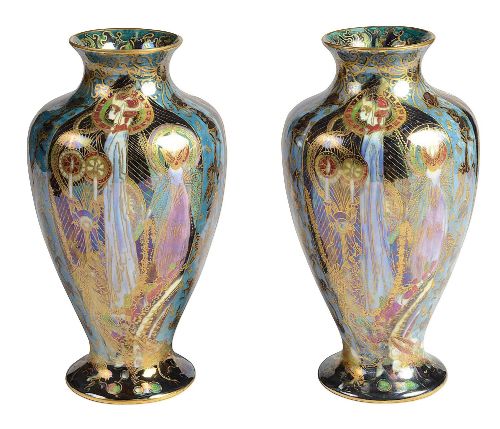
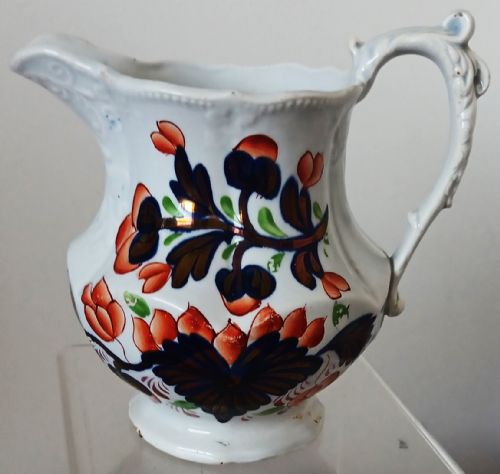
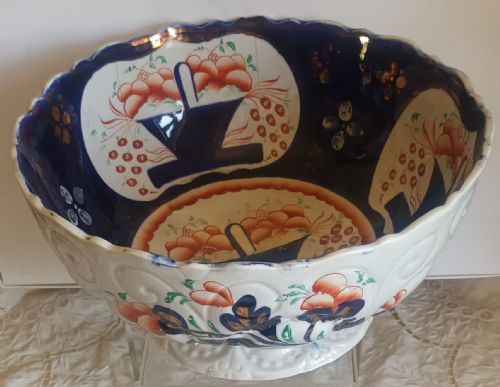
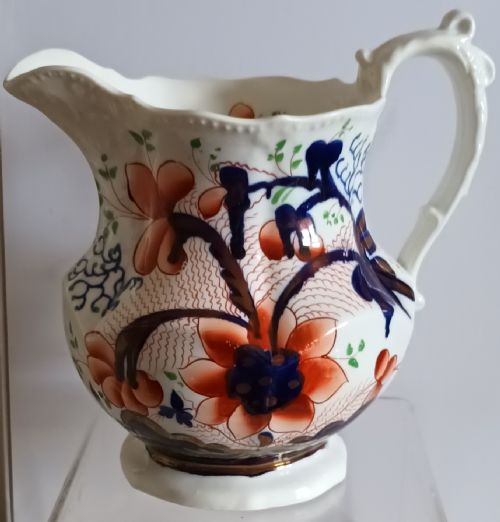
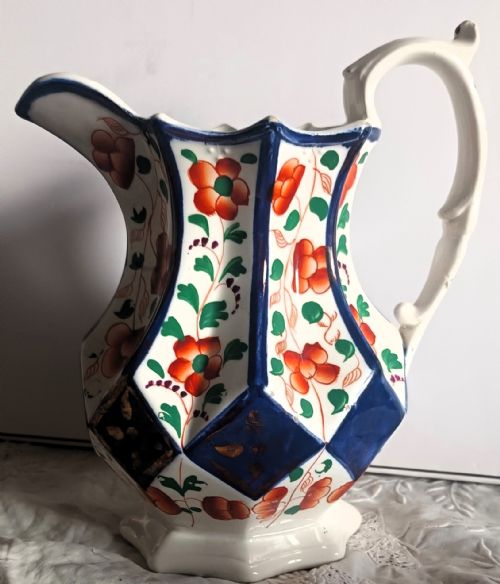
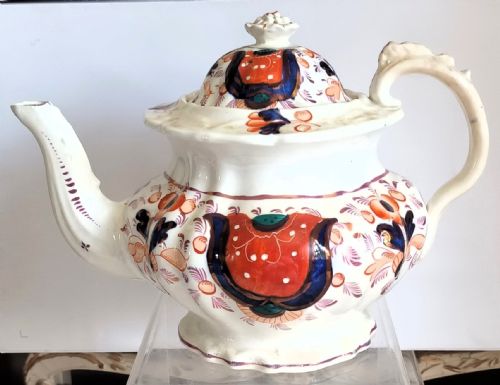
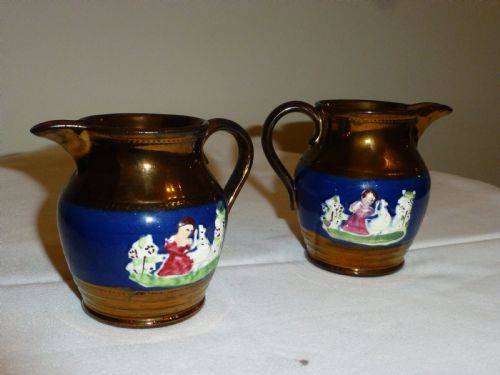
Blue lustreware comprises decorative bowls, vases, pitchers, jugs, and teapots produced across multiple eras. These items range from nineteenth-century Gaudy Welsh pottery to twentieth-century Art Deco designs.
Most pieces encountered on this page belong to the twentieth century, specifically the 1910s and 1920s. Works by designers like Daisy Makeig-Jones dominate the selection.
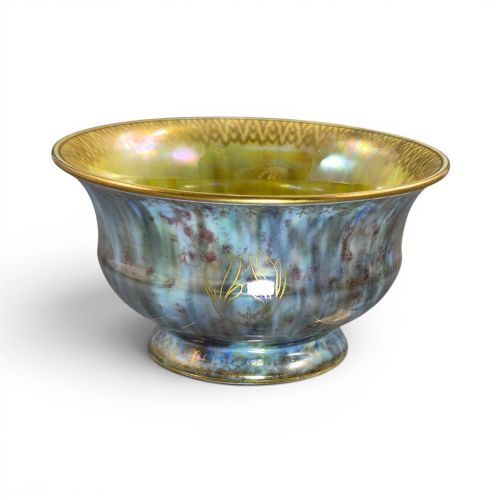
Forms vary from large octagonal bowls and baluster vases down to miniature cups and bud vases. Each item displays the characteristic metallic sheen over a pigmented ceramic base.
Materials and Techniques
Potters built these items using earthenware, bone china, and porcelain bodies. Artisans applied glaze, enamel, and gold leaf alongside the metallic lustre glaze to create rich surfaces.
The metallic sheen results from specific firing techniques that deposit a thin layer of metallic film onto the ceramic body. Hand enamelling frequently accompanies this process on decorative art pottery.
Blue Lustreware Retail Price Guide 2026
Typical asking prices for blue lustreware among the pieces listed under this phrase on Sellingantiques today, from the lower quarter to the upper quarter. They describe what is for sale here now, not the wider market.
Miniature lustre cups ensure that even the smallest household can maintain a dragon.
Assessing Quality and Execution
Quality depends on the complexity of the design and the precision of the enamel work. Detailed pictorial scenes executed by notable designers represent the upper tier of production.
The evenness of the glaze and the clarity of the metallic sheen differentiate standard wares from finer artistic pieces. Elaborate motifs such as dragons, fairyland themes, and geometric patterns require greater skill.
Wedgwood·Minton·Maling·Staffordshire
The Blue Lustreware Glossary
- Lustre Glaze
- A ceramic finish containing metallic elements that produce an iridescent sheen when fired. This technique creates the reflective quality seen across these vessels.
- Earthenware
- Porous pottery fired at a relatively low temperature. It serves as the physical body for many nineteenth-century jugs and bowls.
- Bone China
- A type of porcelain containing bone ash, known for its high strength and milky white appearance. It provides a smooth base for delicate twentieth-century lustre painting.
- Enamel
- Opaque glass used as a decorative coating over fired ceramics. Artisans apply it by hand to add distinct colours to the design.
Blue Lustreware: Frequently Asked Questions
What is blue lustreware?
Blue lustreware refers to ceramic items finished with a metallic glaze that produces an iridescent blue surface. These pieces include bowls, vases, and teapots decorated with enamels and sometimes gold leaf.
The category spans nineteenth-century traditional pottery and intricate twentieth-century art ceramics. The metallic sheen is the defining characteristic uniting all examples.
How do I date these pieces?
Dating relies on maker marks, stylistic indicators, and recorded production periods. Twentieth-century items often feature specific pattern numbers and designer attributions.
Nineteenth-century examples generally display traditional regional patterns like Gaudy Welsh motifs. Comparing the ceramic body and glaze type helps confirm the era of manufacture.
Where were these ceramics made?
The pieces listed originate primarily from English potteries and factories. Prominent production centres included Staffordshire and specialised works like Wedgwood.
English manufacturers dominated the output of lustre pottery during the nineteenth and early twentieth centuries. Various regional workshops developed distinct decorative styles.
How should I display them?
Display lustreware in spaces with adequate lighting to highlight the reflective metallic glazes. Placing bowls and vases away from direct, harsh sunlight protects the delicate enamels.
Grouping items by form or designer creates a cohesive visual arrangement. Ensure shelves provide stable support for heavier earthenware and porcelain vessels.