





Blue Lustre Pottery
Blue lustre pottery brings together metallic sheazes and vibrant glazes across nineteenth-century earthenware and twentieth-century decorative vessels.
Blue Lustre Pottery
Blue lustre pottery spans nineteenth-century pieces and twentieth-century designs, capturing both traditional tableware and highly decorative studio works. When searching for blue lustre pottery, buyers encounter items ranging from Georgian and Victorian utility wares to elaborate twentieth-century cabinet pieces.
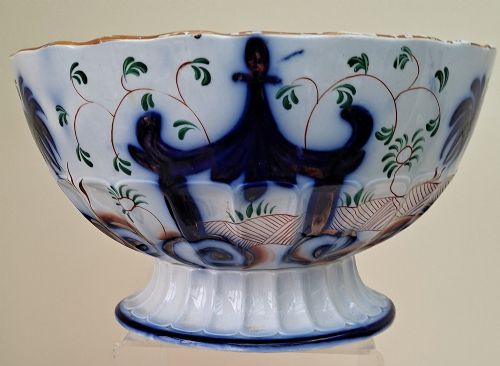
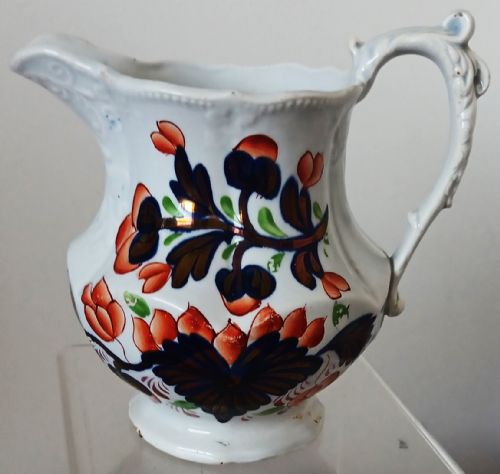
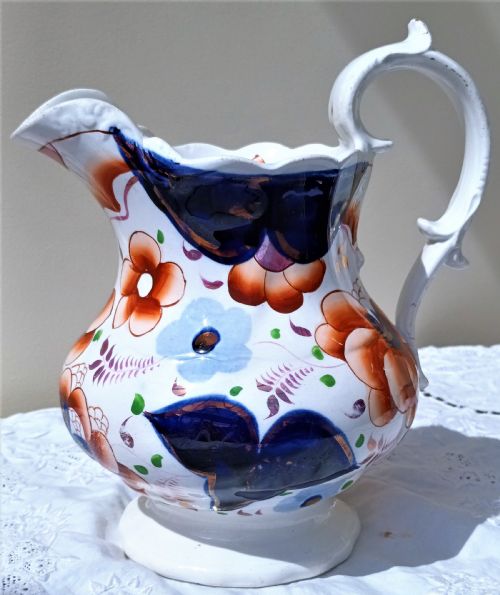
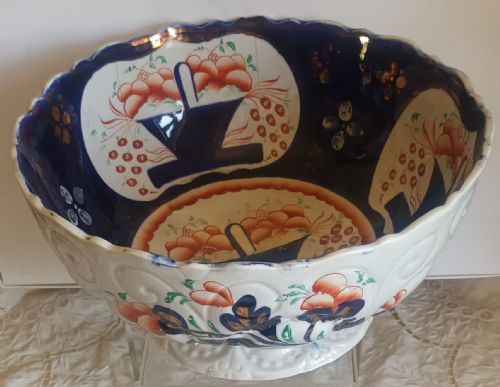
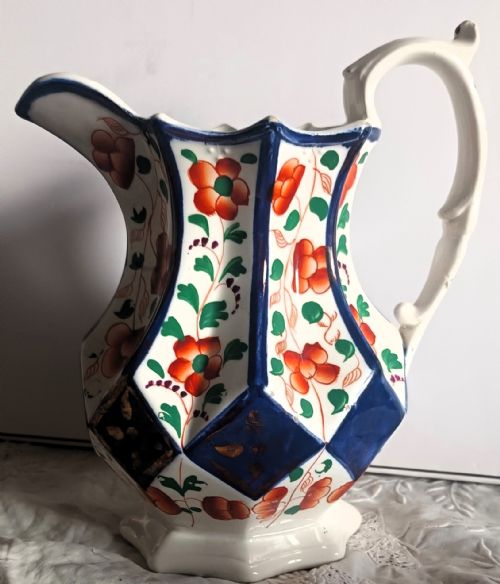
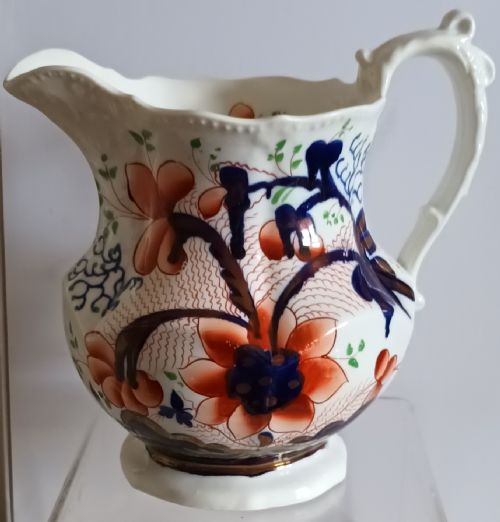
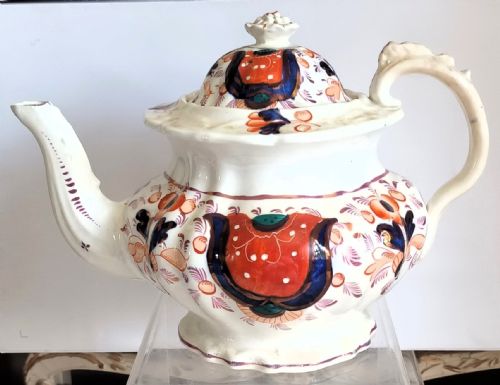
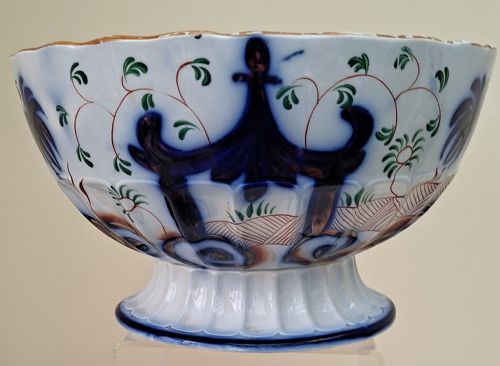
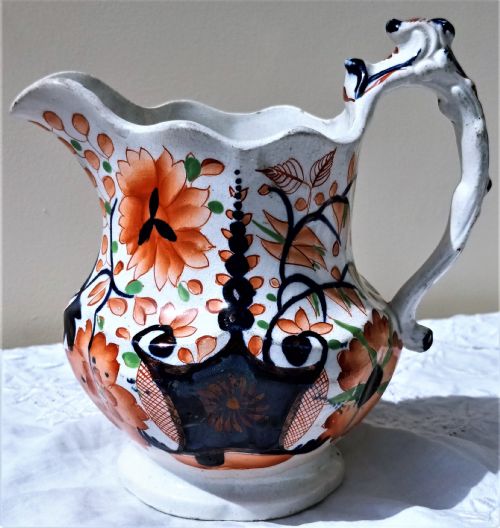
The nineteenth-century selection is dominated by Victorian Gaudy Welsh earthenware featuring named patterns such as Pagoda, Harlech, and Celyn. These functional items include jugs, footed bowls, teapots, and basins decorated with rich colour palettes.
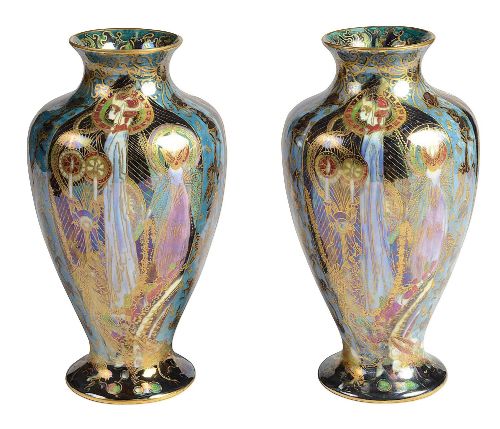
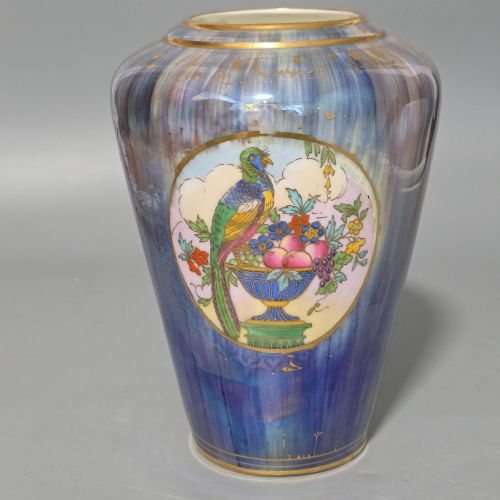
Twentieth-century examples shift towards specialised art pottery and decorative vessels. Names like Wedgwood, Maling, and Minton produce baluster vases, bowls, and jardinières utilising intricate lustre glazes and enamel designs.
Materials and Techniques
Potters shape these pieces from earthenware, ceramic, and porcelain, applying lustre glaze, enamel, and occasionally gold leaf to achieve metallic and iridescent surfaces. The base body is fired before decorators layer pigments and metallic oxides to create the distinctive reflective finish.
Twentieth-century works employ specialised techniques for complex pictorial and abstract patterns. Designers layer enamel over glaze, combining copper lustre and varied ceramic bodies to catch the light from different angles.
Blue Lustre Pottery Retail Price Guide 2026
Typical asking prices for blue lustre pottery among the pieces listed under this phrase on Sellingantiques today, from the lower quarter to the upper quarter. They describe what is for sale here now, not the wider market.
Materials recorded across the inventory include copper lustre, gold leaf, enamel, and specialised lustre glazes.
Assessing Quality and Finish
Quality rests in the depth and uniformity of the lustre glaze and the crispness of hand-enamelled details. Superior pieces display even coverage across complex forms without cloudiness in the metallic sheen.
Design complexity and pattern clarity separate standard production wares from premier examples. Elaborate pictorial compositions and well-preserved transfer prints with vibrant hand-painted accents command greater attention.
Wedgwood·Maling·Minton·Clement Massier
The Blue Lustre Pottery Glossary
- Lustre glaze
- A ceramic coating containing metallic salts that produce an iridescent or metallic sheen upon firing. This finish gives the pottery its characteristic reflective surface.
- Gaudy Welsh
- A style of nineteenth-century pottery featuring bright, contrasting cobalt blue, copper lustre, and enamel colours. It was primarily produced for everyday household use.
- Baluster vase
- A tall vase characterised by a rounded body that tapers toward the neck and stands on a broadened base. This form is frequently utilised in twentieth-century decorative pottery.
- Jardiniere
- An ornamental ceramic pot or stand designed to hold large plants or flowers. These pieces often incorporate matching pedestals or griffin stands.
- Ironstone
- A type of durable heavy earthenware developed in the nineteenth century. It provides a robust body for domestic vessels like jugs and basins.
Blue Lustre Pottery: Frequently Asked Questions
What periods are common for blue lustre pottery?
The selections bridge the nineteenth century and the early decades of the twentieth century. Nineteenth-century examples are largely represented by Victorian Gaudy Welsh earthenware.
Twentieth-century pieces stretch from approximately nineteen hundred through the nineteen-thirties, embracing Art Nouveau and Art Deco design movements.
How do Gaudy Welsh pieces differ from art pottery?
Gaudy Welsh items are primarily nineteenth-century earthenware vessels intended for domestic utility, featuring hand-painted patterns like Pagoda and Celyn over cobalt blue.
Twentieth-century art pottery focuses on decorative vases and bowls utilising specialised lustre glazes, enamel work, and named designers.
What types of vessels are available?
The inventory includes a wide variety of functional and decorative forms. Jugs, teapots, basins, and footed bowls represent the nineteenth-century domestic output.
Vases, jardinières, decorative bowls, and miniature sets comprise the twentieth-century artistic production.
How should I care for antique lustre pottery?
These ceramic items require gentle handling to preserve their delicate enamel decorations and metallic lustre glazes. Dusting with a soft cloth is recommended.
Avoid abrasive cleaners or soaking, as moisture and harsh chemicals can damage the fragile surface layers over time.