





Blue Living Room Rug
A blue living room rug brings deep indigo and soft floral fields into a room, anchoring the space with centuries of woven tradition.
Blue Living Room Rug
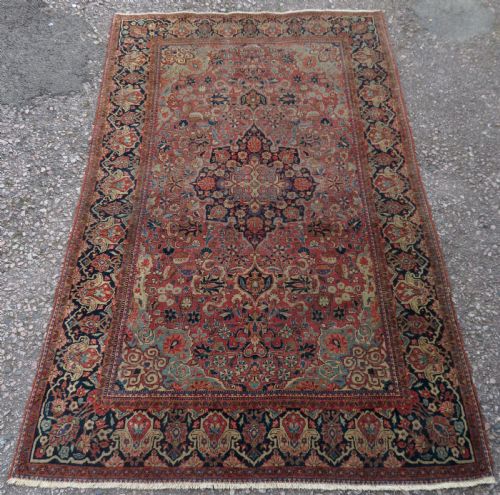
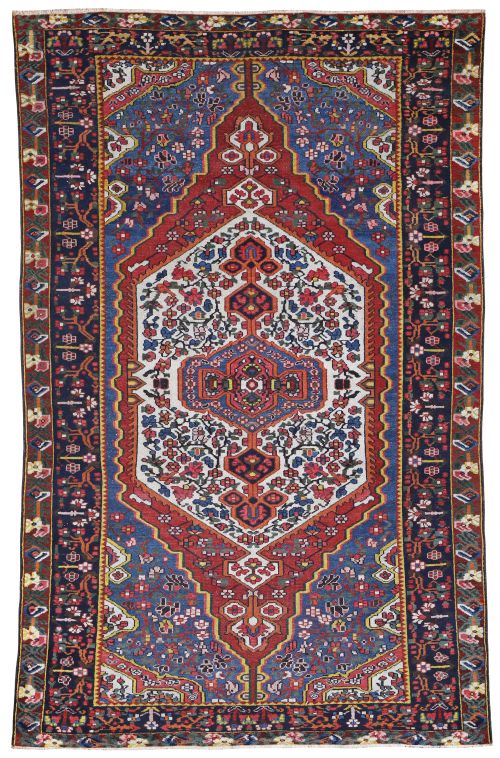
A blue living room rug typically takes the form of a room-sized carpet or smaller area rug originating from Persian and Turkish weaving traditions. These textiles date from the late nineteenth century through to the mid-twentieth century, capturing periods of skilled regional production.
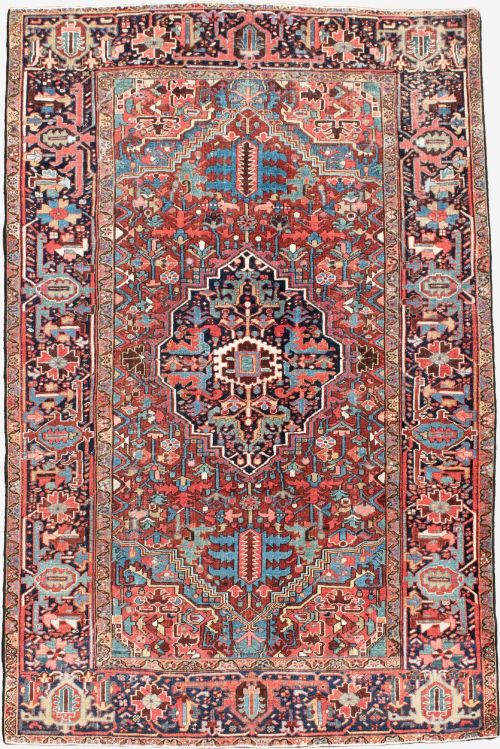
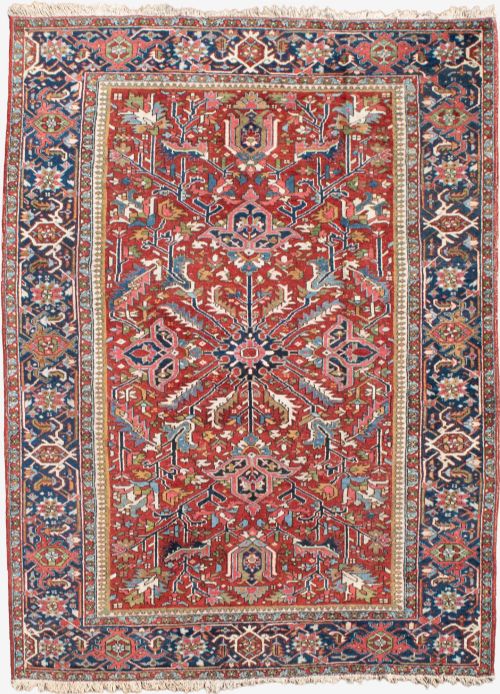
The most common examples encountered in these selections are Heriz carpets and various Persian room-size floor coverings. Buyers often meet traditional geometric medallions and classical floral field patterns in shades of blue, ivory, and complementary tones.
These floor coverings served utilitarian and decorative purposes in substantial domestic interiors. Their durable pile and regional knotting techniques made them suitable for daily foot traffic while providing warmth and colour to a sitting room.
Materials and construction
The foundation and pile of these rugs rely predominantly on natural materials such as wool, cotton, and occasional touches of silk. Wool provides the resilient surface pile, while cotton often forms the structural warp and weft threads that give the carpet stability.
Weavers employed hand-knotting techniques specific to their regions, using natural dyes to achieve the varied shades of blue seen across the field and borders. The density of the weave and the quality of the spun wool determine the physical weight and drape of each piece.
Blue Living Room Rug Retail Price Guide 2026
Typical asking prices for blue living room rug among the pieces listed under this phrase on Sellingantiques today, from the lower quarter to the upper quarter. They describe what is for sale here now, not the wider market.
Assessing quality
Quality in these carpets rests on the integrity of the wool, the precision of the knotting, and the harmony of the dye palette. Tighter knots and well-sourced wool yield a denser pile that holds its structure and colour over decades of use.
The artistic execution of the design, whether a bold Heriz medallion or a finely drawn Tabriz floral field, separates standard utility pieces from masterworks. Balance in the border proportions and consistency in the hand-spun dyes elevate a rug's visual presence.
The Blue Living Room Rug Glossary
- Medallion
- A central ornamental motif placed in the middle of the rug field. This design element draws the eye and often anchors the surrounding geometric or floral patterns.
- Warp
- The vertical foundation threads stretched lengthwise on the loom before knotting begins. These threads fringe the ends of the completed carpet.
- Weft
- The horizontal threads passed across the warp strands between rows of knots to bind the structure together. They provide the necessary firmness to the rug body.
- Pile
- The upright cut or looped yarn surface of the carpet that forms the soft walking layer. Its height and density dictate the tactile feel underfoot.
- Natural dye
- Colouring matter derived from plants, insects, or minerals rather than synthetic chemical sources. These dyes produce complex tones that age gracefully over time.
Blue Living Room Rug: Frequently Asked Questions
How do I choose the right size?
Measure your seating arrangement to ensure the front legs of your furniture sit comfortably on the rug. A proper room-size carpet should leave a uniform border of exposed flooring around the perimeter.
Consider the traffic patterns in your living room when selecting dimensions. Larger formats anchor heavy furniture groupings, while smaller rugs define specific seating zones or hearth areas.
Are these rugs durable enough for daily use?
Traditional wool and cotton construction provides robust physical durability for everyday domestic spaces. The natural lanolin in quality wool helps resist daily wear and repels minor dust.
Regular rotation prevents uneven wear from foot traffic and sunlight exposure. Using a quality underlay beneath the carpet adds cushioning and prevents slipping on hard floors.
How do I identify a Heriz carpet?
Heriz carpets typically feature bold, geometric central medallions set against structured corners and strong borders. Their robust weave uses heavier yarn counts suited for heavy household use.
Colours often incorporate rich blues, terracotta, and ivory tones. The designs stem from the Heris region in northwest Iran, known for sturdy and architectural room-sized carpets.
How should I clean my antique rug?
Gentle vacuuming without a rotating brush roll removes surface dust from the wool pile. Avoid aggressive beating or harsh chemical cleaners that can damage natural dyes and fibres.
Professional specialist cleaning is recommended for deep maintenance to preserve the integrity of the foundation. Address spills immediately by blotting gently with a clean cloth rather than rubbing.