

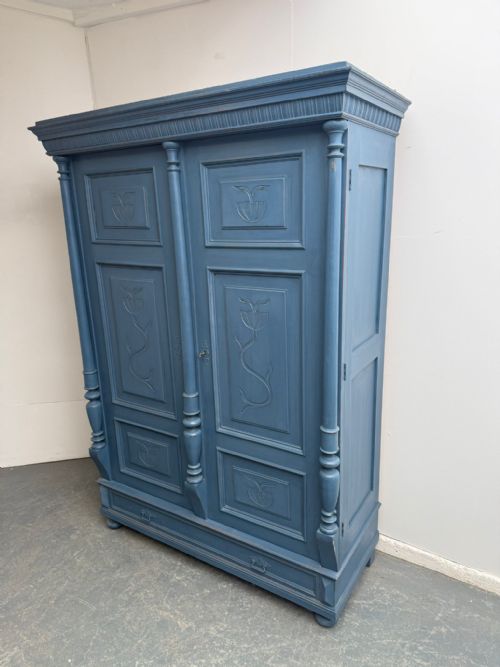


Blue Linen Press
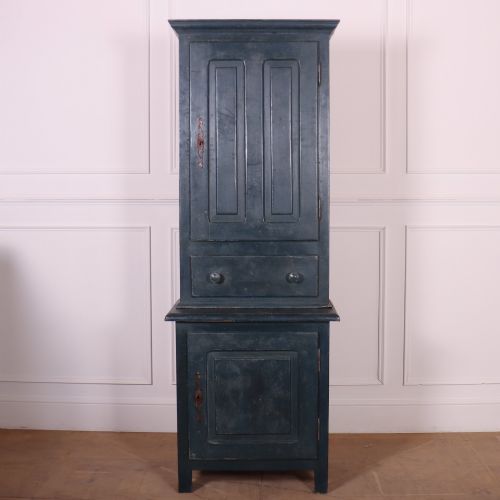
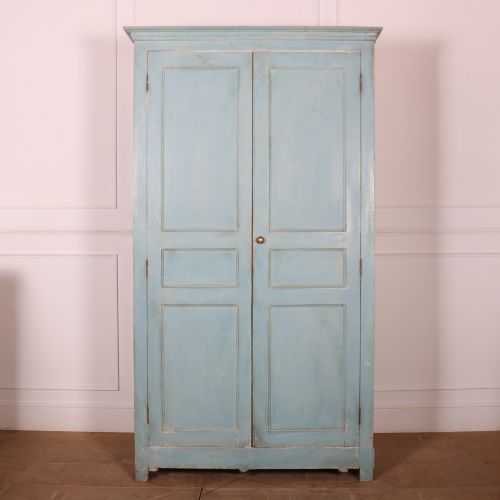
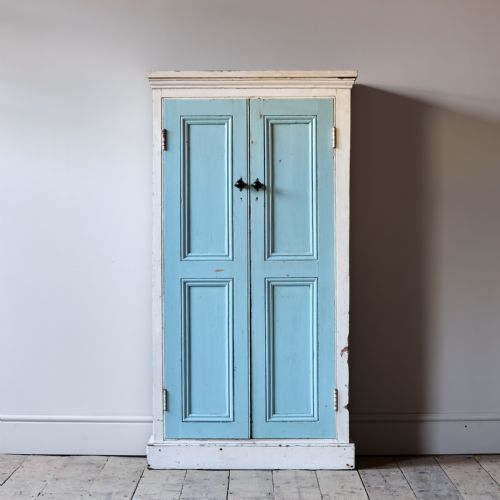
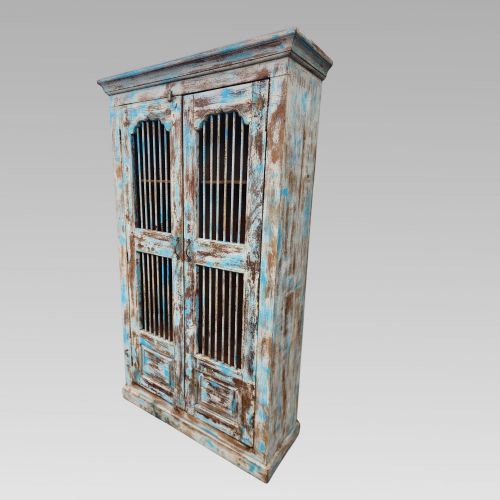
A blue linen press is a substantial storage piece painted in shades of blue, offering practical character for modern rooms.
Blue Linen Press
A blue linen press brings traditional storage to domestic spaces through tall cupboards and cabinets built for textiles and garments. These pieces emerge from various regional traditions including English country, Welsh vernacular, and Scandinavian folk art.
The selection centres on painted pine furniture from the eighteenth and nineteenth centuries alongside later reclaimed timber examples. Buyers encounter double door cupboards, hanging cupboards, and compact housekeepers cupboards originating from Britain, Sweden, and Hungary.
Tall proportions and functional shelving define these wardrobes and storage cabinets. Many examples feature original painted surfaces that show the wear of generations of domestic use.
Materials and construction
Makers built these pieces primarily from solid pine, cedar, and teak, utilising durable timbers suited to everyday household demands. Construction methods rely on traditional joinery techniques that keep heavy doors and deep shelves stable over centuries.
Surfaces receive layers of paint, often applied in muted blue tones that define the regional aesthetic. Iron and brass hardware such as hinges and latches complete the structure, securing the doors and reinforcing corners.
Blue Linen Press Retail Price Guide 2026
Typical asking prices for blue linen press among the pieces listed under this phrase on Sellingantiques today, from the lower quarter to the upper quarter. They describe what is for sale here now, not the wider market.
Swedish country cupboards often hide surprisingly vibrant layers of historic blue paint beneath generations of later domestic decoration.
Distinguishing quality
Quality rests in the integrity of the timber and the honesty of the surface finish. Pieces retaining original paint layers hold greater character than those stripped or heavily restored in later decades.
Proportion and structural balance separate standard utility cupboards from finer regional pieces. Well-executed joinery ensures doors hang true and internal shelving remains sound under daily loads.
The Blue Linen Press Glossary
- Pine
- A softwood commonly used throughout European vernacular furniture for its availability and workability. It takes paint exceptionally well, forming the base for many historic painted finishes.
- Vernacular
- Furniture made by local craftsmen for everyday use rather than high-style metropolitan workshops. These pieces reflect regional materials and domestic traditions.
- Gustavian
- The Swedish interpretation of neoclassical design characterised by restraint, light proportions, and pale painted surfaces. It developed during the late eighteenth century under King Gustav III.
- Cupboard
- An enclosed piece of furniture fitted with shelves or hanging space behind doors. It serves as the primary storage format across rural European traditions.
Blue Linen Press: Frequently Asked Questions
What is a blue linen press used for today?
These tall cupboards provide deep shelving and hanging capacity suitable for modern clothing, linen, or crockery. They fit well in bedrooms, hallways, or kitchens where freestanding storage is needed.
The substantial internal volume handles bulky items easily while adding a distinct decorative presence to the room through painted colour and historic timber texture.
How do I identify a 19th-century pine cupboard?
Nineteenth-century pieces typically show construction marks such as hand-cut nails, pegged joints, and solid timber panels rather than modern sheet materials. The wood surfaces often display subtle undulations and wear patterns accumulated over generations of use.
Paint layers on older pieces tend to show natural craquelure and softening around the edges where hands touched the wood repeatedly.
Are these cupboards suitable for small rooms?
Many examples are compact housekeepers cupboards or single-door wardrobes designed for smaller domestic spaces. Their vertical orientation maximises storage capacity while occupying minimal floor area.
Choosing a piece with pale or muted blue paint can also help a tall cabinet feel visually lighter within a modest room.
How do I care for a painted antique cupboard?
Protect historic painted surfaces by keeping the timber away from direct heat sources and strong sunlight, which can dry out the wood and cause paint to flake. Dust gently with a dry cloth and avoid modern chemical cleaners.
Maintaining stable room humidity preserves both the pine structure and the integrity of the original paint finish.