





Blue Iranian Carpet
A blue iranian carpet anchors a room with deep indigo dyes and traditional motifs handed down through generations of weavers.
Blue Iranian Carpet
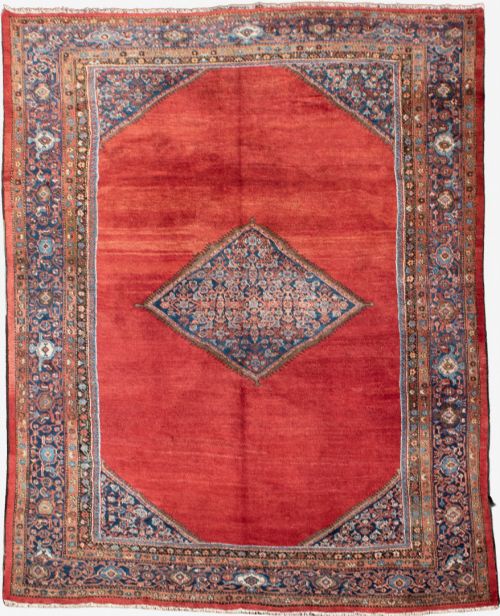
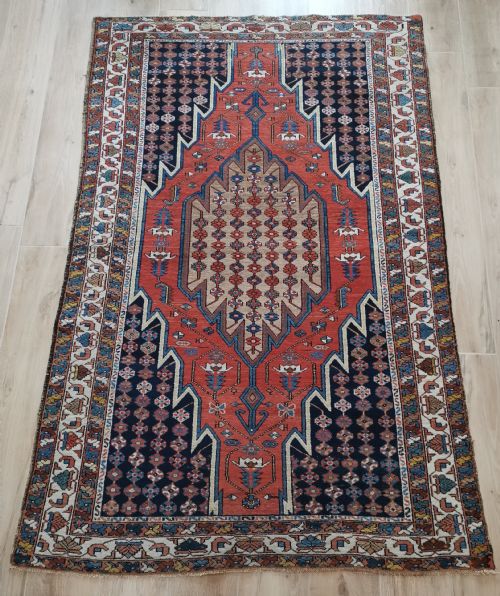
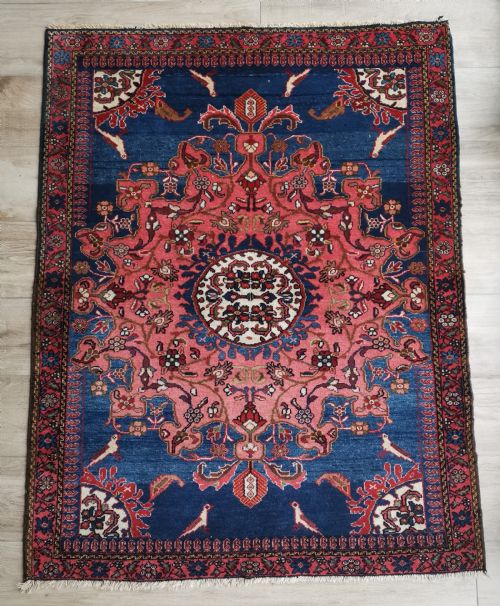
A blue iranian carpet encompasses floor coverings originating from various Persian regions, woven in wool, cotton and silk. These textiles range in date from the nineteenth century through the mid twentieth century.
Buyers most frequently meet roomsize carpets and smaller rugs carrying specific regional designations such as Heriz, Ferahan, and Tabriz. The forms vary from large formal roomsize floor coverings down to narrow runners and compact tribal rugs.
The aesthetic leans heavily on traditional Persian styles, incorporating both geometric village patterns and intricate city designs. Each piece reflects the specific weaving traditions of its district of origin.
What varies in quality
Quality differences stem from the fineness of the knotting and the precision of the design execution across the field. Workshop pieces from established centres often display greater intricacy than simpler tribal village makings.
The integrity of the materials and the consistency of the pile depth significantly influence the overall standard of a carpet. Uniformity in weaving and the complexity of the regional motifs separate the finer examples from standard production.
Blue Iranian Carpet Retail Price Guide 2026
Typical asking prices for blue iranian carpet among the pieces listed under this phrase on Sellingantiques today, from the lower quarter to the upper quarter. They describe what is for sale here now, not the wider market.
Listings span periods from the nineteenth century through 1940, utilising wool, cotton and silk across traditional Persian styles.
Hajji Jalili
The Blue Iranian Carpet Glossary
- Pile
- The upright yarn loops that form the soft surface of the carpet. This dense layer bears the daily wear.
- Warp
- The vertical foundation threads stretched tightly on the loom. The pile knots tie directly onto these supporting lines.
- Weft
- The horizontal threads passed between rows of knots to bind the structure together. It holds the vertical warps in place.
- Medallion
- The prominent central ornamental design motif found in many traditional Persian rugs. It anchors the symmetry of the field.
- Runner
- A long and narrow carpet format specifically proportioned for hallways and corridors. These pieces guide movement through domestic spaces.
Blue Iranian Carpet: Frequently Asked Questions
Where should I place a large carpet?
Large roomsize carpets suit principal reception rooms and dining spaces where furniture can sit comfortably atop the central field. They provide a strong visual anchor for the room.
Ensure adequate clearance around the edges so the border patterns remain visible rather than hidden entirely beneath heavy furniture items.
How do I maintain these wool rugs?
Regular gentle vacuuming without a rotating brush roll prevents dust accumulation within the wool pile. Professional cleaning handles deeper maintenance when necessary.
Keep woven carpets out of direct sunlight to protect the natural dyes from fading over extended periods.
What defines a tribal rug?
Tribal rugs originate from nomadic or village communities rather than urban workshops. Their designs often feature geometric motifs and spontaneous artistic choices.
These pieces utilise locally sourced materials and traditional dyeing methods characteristic of specific regional tribes.
How do I distinguish regional styles?
Regional styles reveal themselves through distinct colour palettes, specific medallion structures, and characteristic border arrangements. Heriz carpets often show bold geometric forms, while Kashan pieces display refined floral curves.
Studying the structural weave on the reverse side also aids in identifying the specific district of origin.