


Blue Green Landscape Artwork
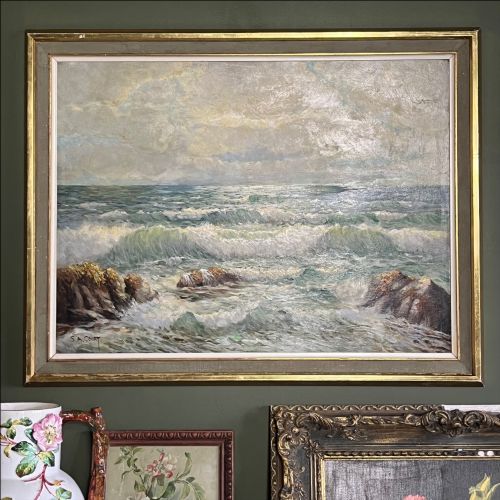
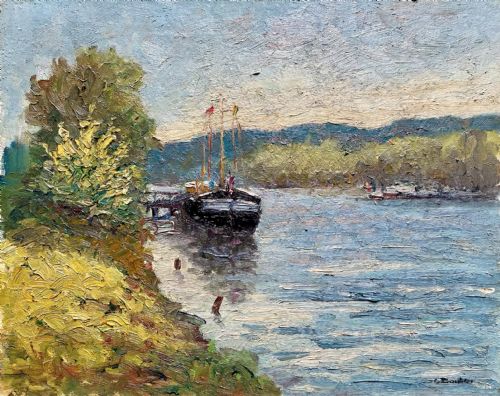
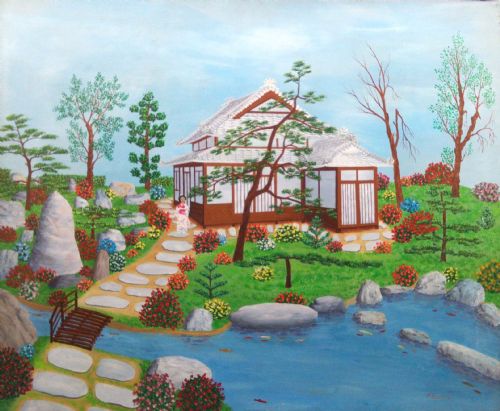
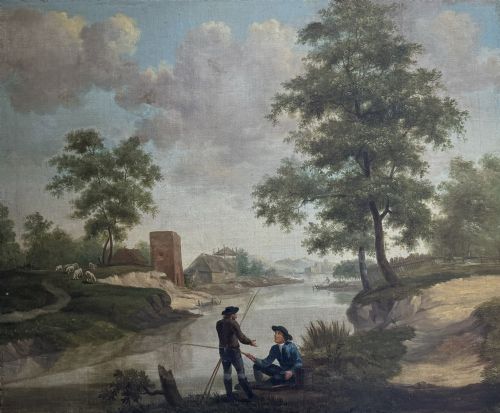
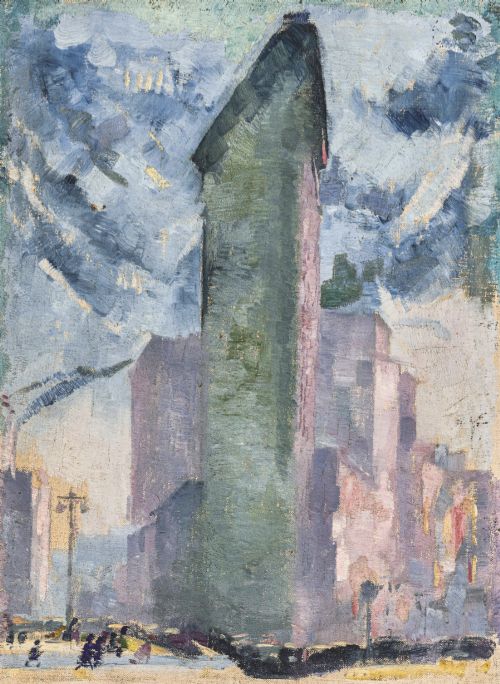
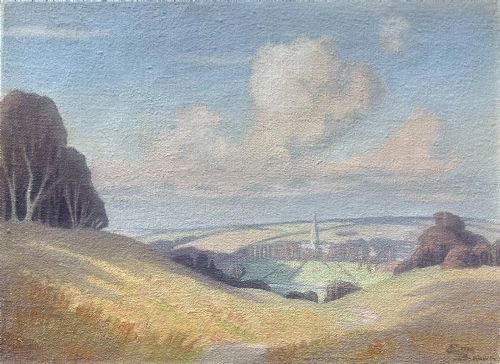
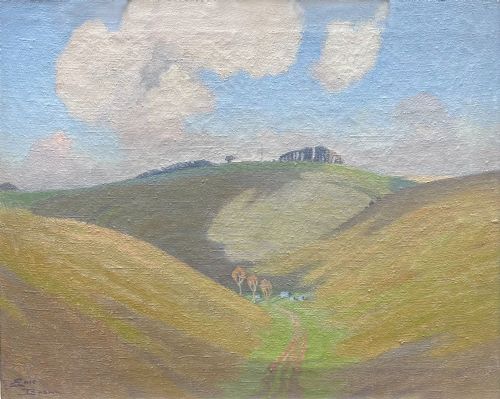
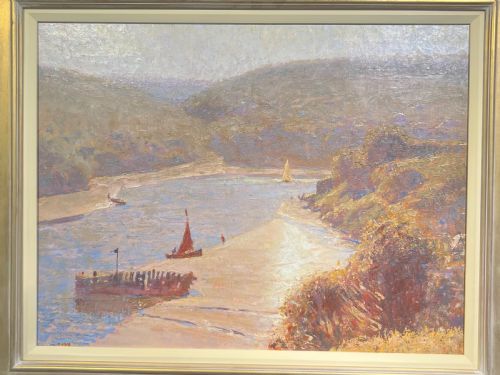
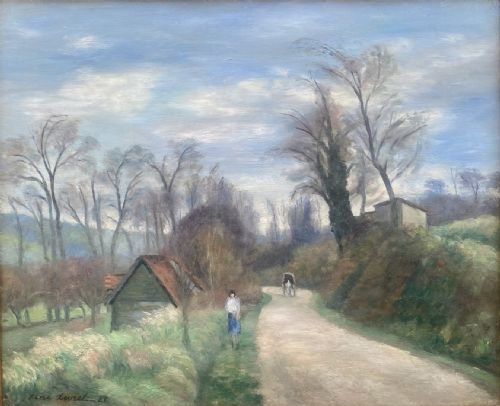
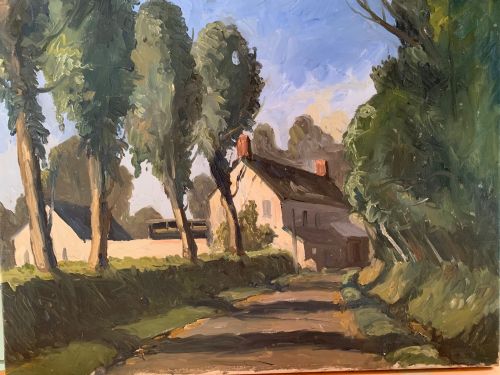
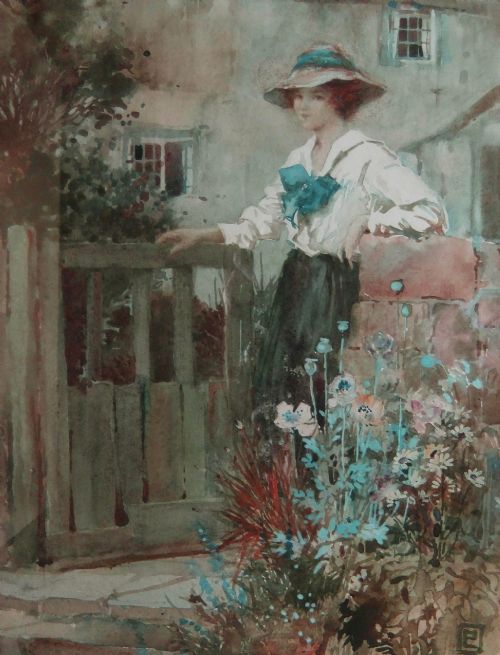
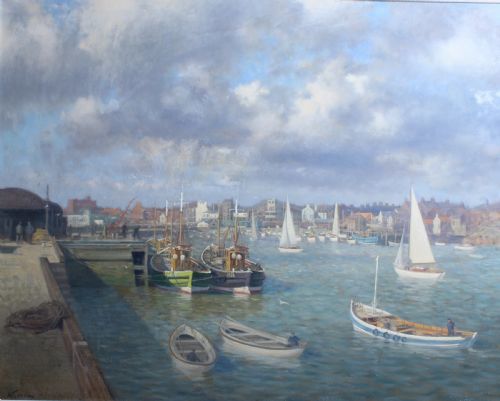
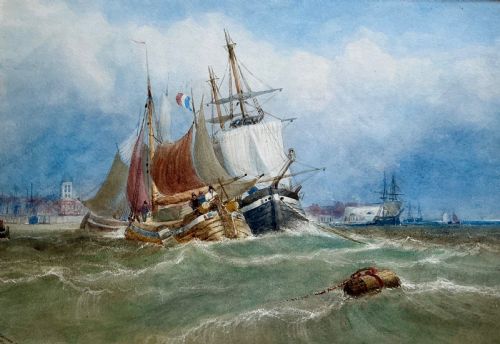
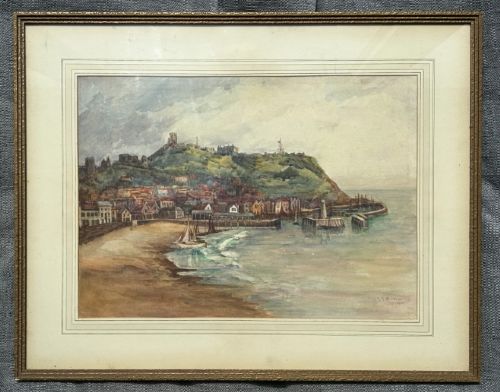
These pieces of blue green landscape artwork capture outdoor scenes through oil paint, watercolour, and gouache across various impressionist periods.
Blue Green Landscape Artwork
When you search for blue green landscape artwork, you encounter painted depictions of rivers, coastal harbours, and countryside vistas spanning from the nineteenth century into the mid twentieth century. These works capture natural environments using oil on canvas, wood panels, and watercolour pigment on paper.
The selections on this page lean heavily towards British and French impressionism, alongside post impressionist and Victorian compositions. You will find coastal scenes from Yorkshire and Cornwall, alongside continental river views and pastoral English settings.
Makers in this category range from named regional painters to members of established artistic schools working en plein air. Their subjects focus on the interplay of natural light across water, foliage, and open skies.
Materials and construction methods
Artists in this collection applied oil paint and watercolour pigment onto traditional supports including stretched canvas, heavy paper, card, and wood panels. Oil applications often utilise thick impasto techniques to build surface texture, particularly in mid century modernist examples.
Watercolour works rely on transparent washes and delicate brushwork on paper, frequently preserved behind protective glass within framed mountings. Many pieces display visible artist brushstrokes resulting from direct outdoor observation rather than studio recreation.
Listings feature works created on canvas, paper, wood panels, and board using oil paint, watercolour pigment, and gouache.
Distinctions in standard and execution
Quality in these landscape paintings rests upon the artist's handling of tone, atmospheric depth, and structural composition within the chosen medium. Superior examples demonstrate a confident control of colour harmony, where blue and green pigments articulate light and shadow convincingly.
The strength of a piece derives from the immediacy of the brushwork and the preservation of the original support surface. Works that successfully capture the specific transient qualities of light elevate themselves above standard topographical records.
Alfred Young Nutt·Sidney A Court·Alfred Wolmark·Eric Brown·Percy Lancaster·Walter Goodin·Henry Barlow Carter·Archibald Kay·Philip Richard Morris·Edgar Woollatt·Joseph Edward Hennah·Helen Layfield Bradley·Gabriel Dauchot·Henry John Kinnaird·William Hoggatt·William Sydney Cooper·James Orrock·Cecil R Doyly John·William Greaves
The Blue Green Landscape Artwork Glossary
- Impressionism
- A nineteenth century painting style focused on capturing the visual impression of a moment, paying attention to shifting light and natural colours. This approach prioritises loose brushwork over precise academic finish.
- En Plein Air
- The practice of painting outdoors to capture direct observations of natural light and atmosphere. Artists working this way complete their compositions exposed to the actual landscape elements.
- Impasto
- Paint applied thickly to a canvas or panel, leaving prominent brush or palette knife marks that stand out from the surface. This technique adds tangible physical depth and texture to foliage and water.
- Gouache
- An opaque water-based paint that dries to a smooth, matte finish with higher coverage than standard watercolour. It allows artists to build rich, solid colour passages on paper supports.
- Post-Impressionism
- An artistic movement following impressionism that explored broader emotional and structural interpretations of subject matter. Practitioners pushed colour relationships beyond strict naturalism.
Blue Green Landscape Artwork: Frequently Asked Questions
What periods do these landscapes cover?
The works span from the eighteenth century through the Victorian and Edwardian eras into the mid twentieth century. Most pieces cluster around the late nineteenth and early twentieth centuries.
This timeline encompasses the rise of impressionist and post impressionist painting methods across British and French schools.
How should I display these paintings?
Framed works on paper require protection from direct sunlight to prevent watercolour pigments from fading over time. Oil paintings on canvas or wood panels benefit from stable indoor humidity levels.
Ensure wall placement avoids excessive temperature fluctuations to protect the integrity of the original supports and frames.
Are these paintings signed by the artists?
Many examples feature original artist signatures, inscriptions, or studio stamps either on the front image or the reverse support. Attribution to specific schools applies when individual signatures are absent.
Documentation on the reverse often records location names and historical exhibition details.