



Blue Glass Wine Glasses
Blue glass wine glasses bring rich colour and historic charm to the table, spanning Georgian, Victorian, and Art Deco periods.
Blue Glass Wine Glasses
Blue glass wine glasses span several distinct periods, including Georgian, Victorian, and Edwardian eras, offering a vivid alternative to clear crystal. When searching for blue glass wine glasses, buyers encounter varied forms such as individual goblets, matching sets, and larger serving vessels.
How they were made
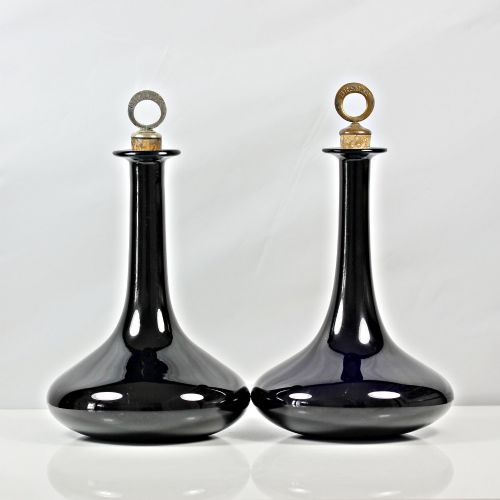
These items utilise traditional techniques involving blown glass and lead crystal, shaped into decanters, jugs, and drinking vessels. Artisans achieved the characteristic blue hues through cobalt and other mineral additives during the melting process.
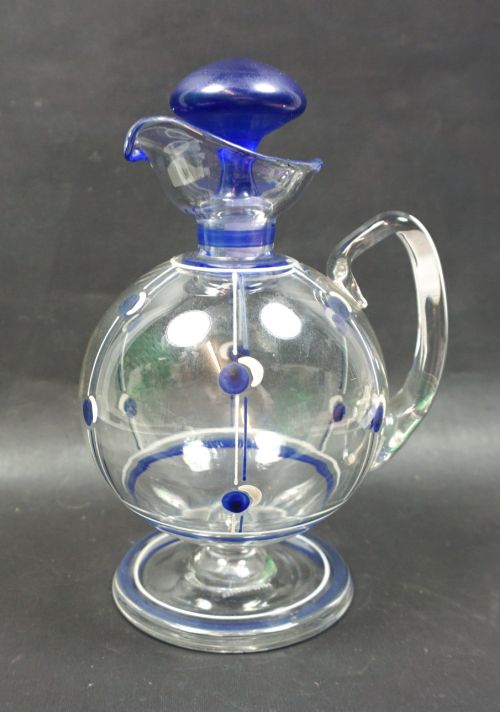
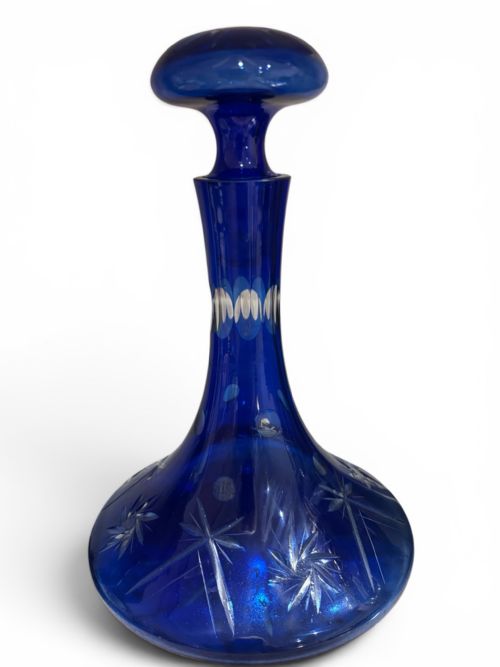
Detailing often includes cut crystal facets, blue enamel decoration, and applied metal components such as silver plate necks. Some examples combine glass with materials like cork and silver plate for functional serving pieces.
Blue Glass Wine Glasses Retail Price Guide 2026
Typical asking prices for blue glass wine glasses among the pieces listed under this phrase on Sellingantiques today, from the lower quarter to the upper quarter. They describe what is for sale here now, not the wider market.
Georgian hosts once poured claret from vessels with cork stoppers, ensuring the wine breathed long before reaching the blue glass goblet.
What varies in quality
Quality differences rest in the depth and clarity of the glass colour, alongside the precision of any cut or enamelled decoration. Pieces featuring integrated metal mounts or matched sets demonstrate higher craftsmanship.
The distinction between standard production and finer wares lies in the weight of the lead crystal and the finesse of the blowing technique. Intricate stylistic details, such as Venetian latticino work, elevate specific items.
The Blue Glass Wine Glasses Glossary
- Bristol blue
- A deep cobalt blue glass traditionally associated with factories in Bristol during the eighteenth and nineteenth centuries. This intense shade became standard for many serving bottles and drinking vessels of the period.
- Cobalt glass
- Glass coloured deep blue by the addition of cobalt oxide to the molten batch. It provides a rich, dark tone seen in Bohemian and Victorian pieces.
- Latticino
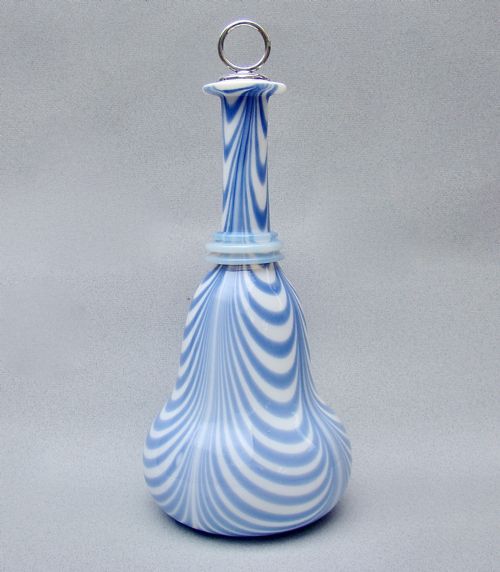
- A Venetian glass technique incorporating opaque white threads into clear or coloured glass vessels. This method creates delicate web or lace patterns across jugs and goblets.
- Mell decanter
- A specific decanter shape with a rounded body and a tapering neck, often produced in nineteenth-century Britain. These vessels held wine before serving at the table.
- Lead crystal
- Glass containing a proportion of lead oxide, which increases brilliance, weight, and clarity. It allows for sharper wheel-cut facets on fine goblets and decanters.
Blue Glass Wine Glasses: Frequently Asked Questions
How do I date blue glass wine glasses?
Dating relies on observing stylistic markers, manufacturing techniques, and the specific shade of the blue glass. Georgian and Victorian examples often feature hand-blown irregularities and distinct pontil marks on the base.
Later Edwardian and Art Deco pieces show sharper machine cuts or applied enamel decoration typical of twentieth-century production. Comparing the silhouette with documented forms helps narrow the decade of origin.
Are these glasses safe for drinking wine?
Most antique and vintage glasses are suitable for occasional use, though hand washing is essential to preserve the finish. Care must be taken with pieces featuring delicate enamel or silver plate attachments.
Collectors often reserve these items for display or gentle dining rather than daily service. Modern testing can confirm whether older glass contains traces of lead.
What is the difference between Bristol blue and cobalt glass?
Bristol blue is a specific historical term often applied to deep cobalt glass produced in the West of England during the Georgian and Victorian eras. Cobalt glass is a broader technical description for any glass coloured with cobalt oxide.
While visually similar, pieces attributed to Bristol often carry specific regional forms like mell decanters and particular bottle shapes.
How should I clean antique blue glass?
Cleaning requires warm water and mild soap, avoiding abrasive sponges that might scratch the surface or damage enamel work. Metal mounts, such as silver plate necks, need separate polishing with appropriate creams.
Sudden temperature changes should be avoided to prevent thermal shock in older lead crystal and blown glass vessels.