
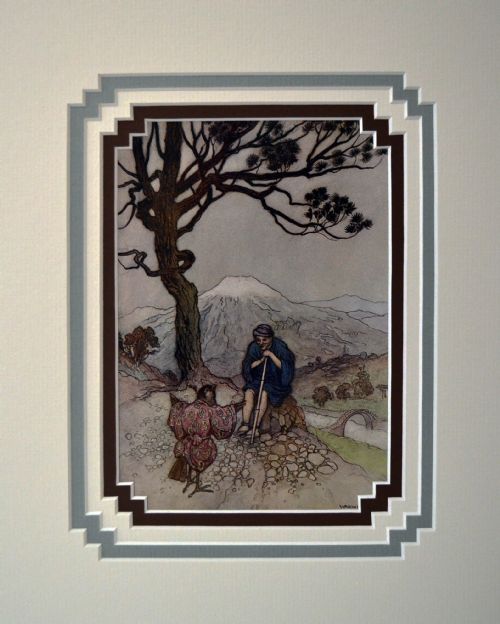
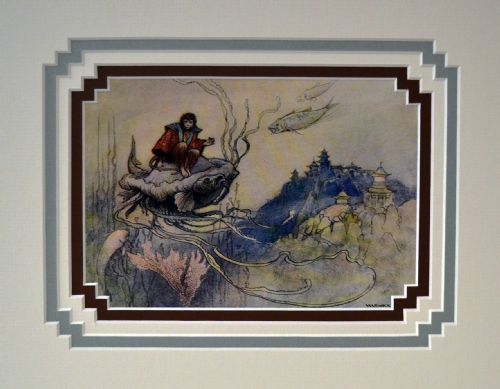
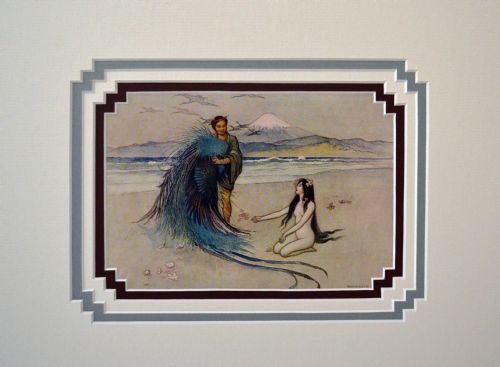
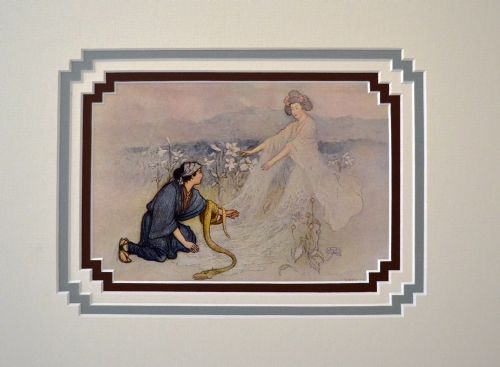
Blue Framed Art Print
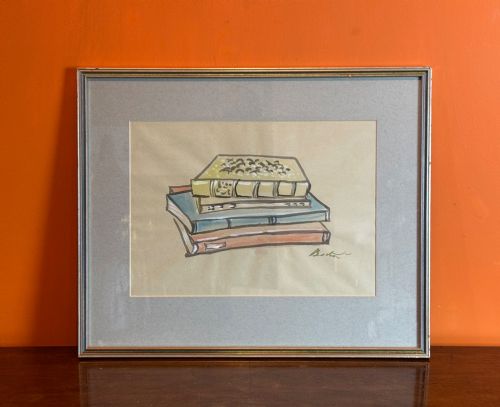
A blue framed art print brings historical works and watercolours into focus, uniting paper image and coloured surround to anchor a room.
Blue Framed Art Print
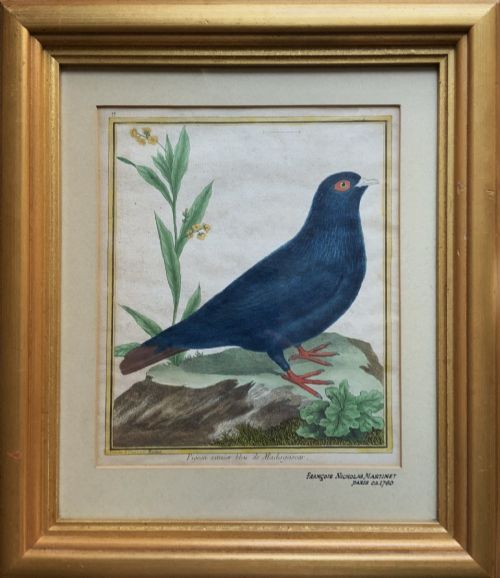
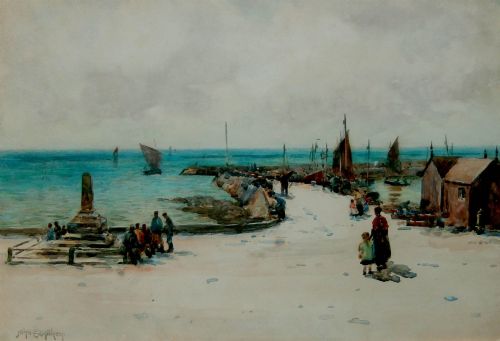
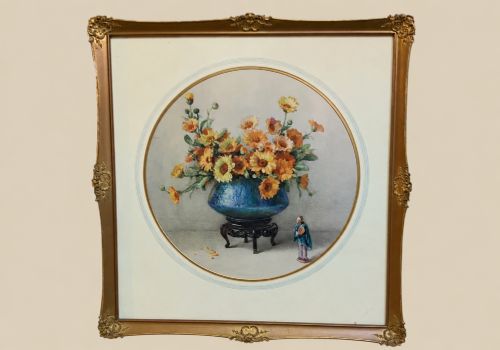
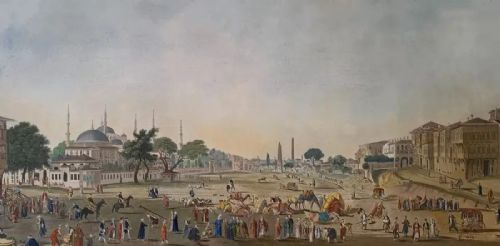
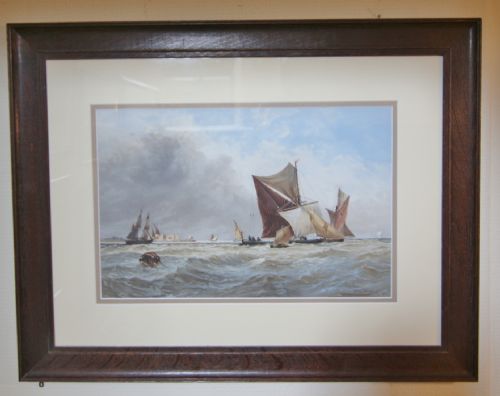
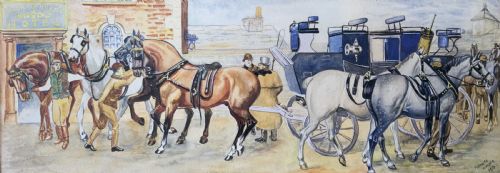
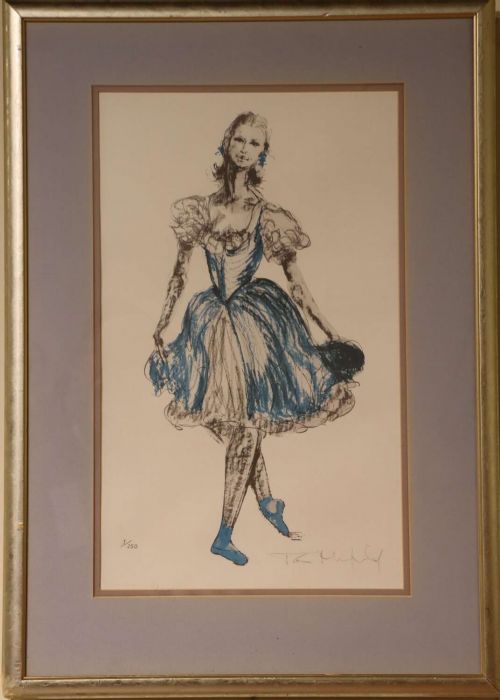
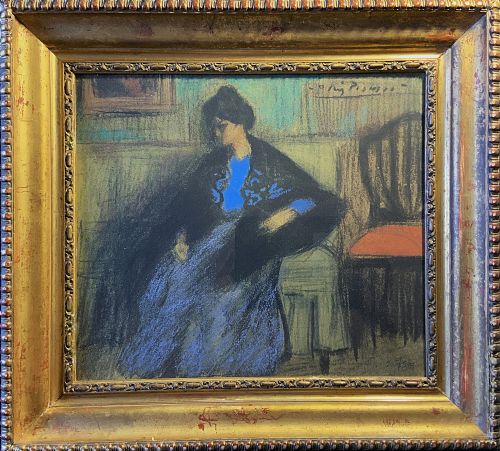
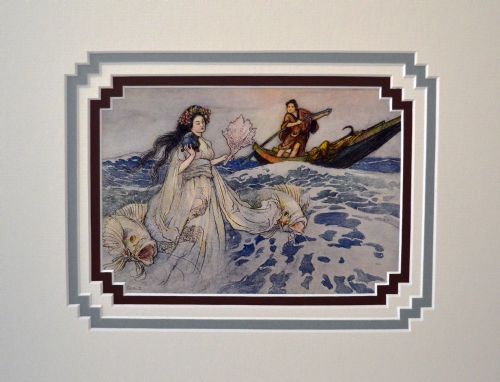
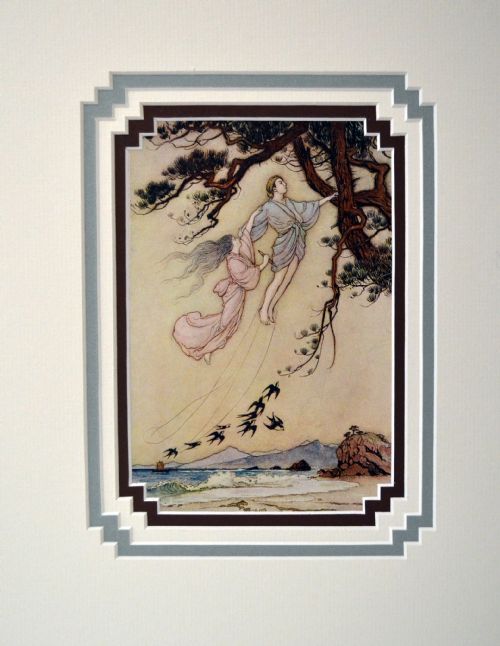
A blue framed art print encompasses diverse historical mediums including watercolours, lithographs, engravings, and oil paintings housed in tinted or painted surrounds. These works range from eighteenth-century hand-coloured engravings and Georgian aquatints to mid-century modern lithographs and abstract compositions.
Works on paper and canvas dominate the category, often protected by glass and contained within timber mouldings. The grouping merges antique documentation with decorative appeal, offering distinct visual records from various European and international creators.
Materials and construction methods
Artworks utilise traditional paper, canvas, or board as a base, marked through techniques such as watercolour painting, ink drawing, lithography, etching, and oil application. Hand-colouring frequently enhances engraved or printed lines with subtle pigment layers.
Framing relies primarily on wood, occasionally finished with giltwood, gilt, or painted blue surfaces to enclose the glass and the underlying art securely.
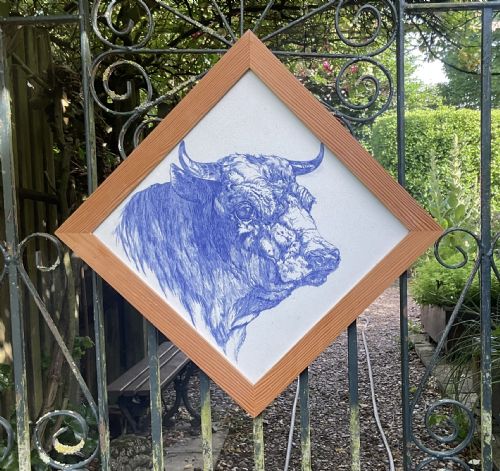
A porcelain butcher's shop tile from 1904 shares space with delicate nineteenth-century bird studies and abstract oils.
Distinctions in craftsmanship and condition
Quality rests upon the execution of the primary artwork, visible in the precision of brushwork in watercolours or the crispness of impression in early engravings and lithographs. Superior pieces demonstrate distinct hand application, skilled draughtsmanship, and well-preserved pigments.
The integrity of the frame and the mounting materials also influence the standard, with original timber housings, stable glass protection, and clear maker or artist attributions elevating individual works.
François-Nicolas Martinet·John E. Aitken·Anton Ignaz Melling·TB Hardy·John Meredith·Pablo Picasso·Cecil Beaton·Mintons·Warwick Goble·Braun & Hogenberg·Gabriel Dauchot·Jonathan Couch·Gino Severini·James William Booth·Joseph Farrington·Joseph Constantime Stadler·Jean Hardy·Edith E Caswall·A. Winter Shaw·Frank Wood·Arthur Wardle
The Blue Framed Art Print Glossary
- Aquatint
- An intaglio printmaking technique that produces areas of tone resembling watercolours. It achieves gradient effects by treating a printing plate with acid-resistant resin before etching.
- Lithograph
- A planographic printing process based on the repulsion of oil and water. Artists draw directly onto a limestone slab or metal plate to produce multiple exact impressions.
- Pochoir
- A stencil-based colouring technique used in printmaking to apply vibrant, precise hues by hand. It appears frequently in twentieth-century French graphic works.
- Engraving
- A printmaking method where an artist cuts lines directly into a metal plate with a burin. The resulting incisions hold ink to create detailed linear imagery.
- Giltwood
- Timber treated with a thin layer of gold leaf or gilt powder over a prepared ground. It supplies a reflective metallic finish to antique frames.
Blue Framed Art Print: Frequently Asked Questions
How do I care for antique works on paper?
Keep framed pieces away from direct sunlight to prevent fading of delicate watercolours, inks, and paper supports.
Maintain stable indoor humidity levels to avoid warping the wooden frames and degradation of the paper substrate.
Are these prints original or reproductions?
The category includes period first-edition prints, vintage lithographs, and original hand-painted watercolours dating from the eighteenth century onwards.
Each listing reflects the specific production period and technique employed by the original artist or publisher.
What subjects are most common?
Common subjects span maritime scenes, architectural plans, natural history illustrations of birds and fish, and classical landscapes.
Portraiture and abstract compositions from the mid-century modern period also feature prominently within the selection.
How can I date a framed artwork?
Dating relies on stylistic evidence within the artwork, signatures, printing techniques, and associated historical documentation.
Frame construction, backing boards, and materials further assist in determining whether a piece belongs to the Georgian, Victorian, or later eras.