





Blue Flower Vase
A blue flower vase brings depth of colour and botanical form together, whether shaped in porcelain, glass, or cloisonne enamel.
Blue Flower Vase
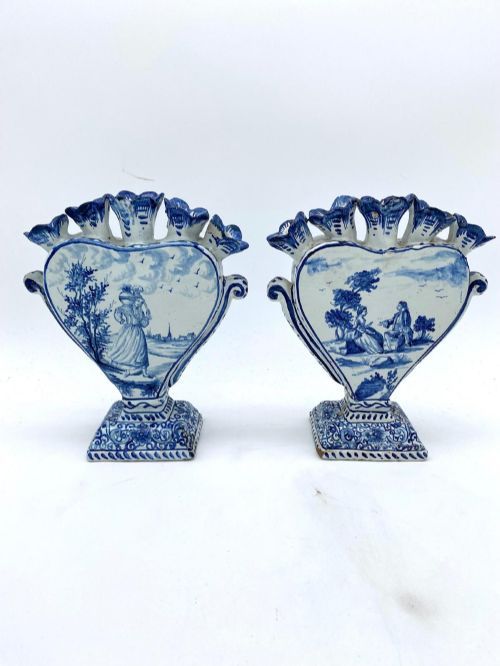
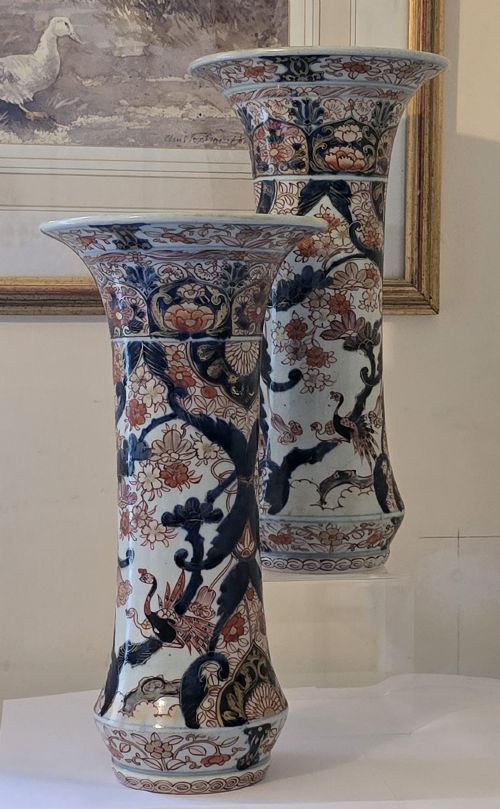
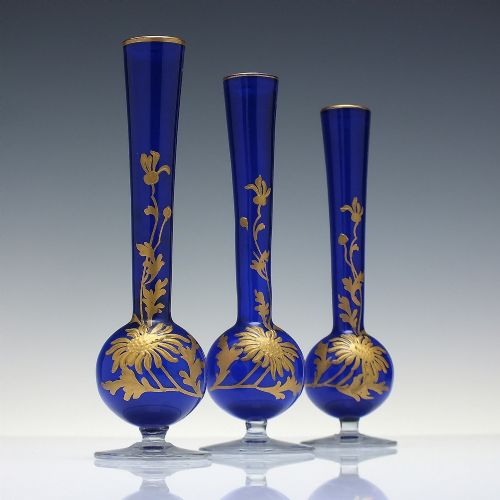
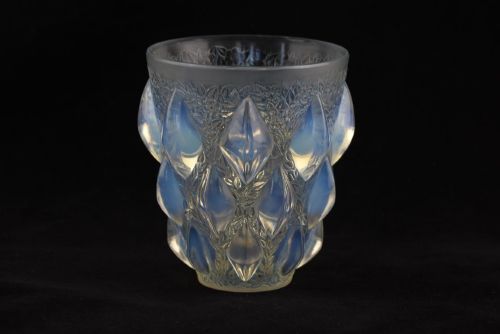
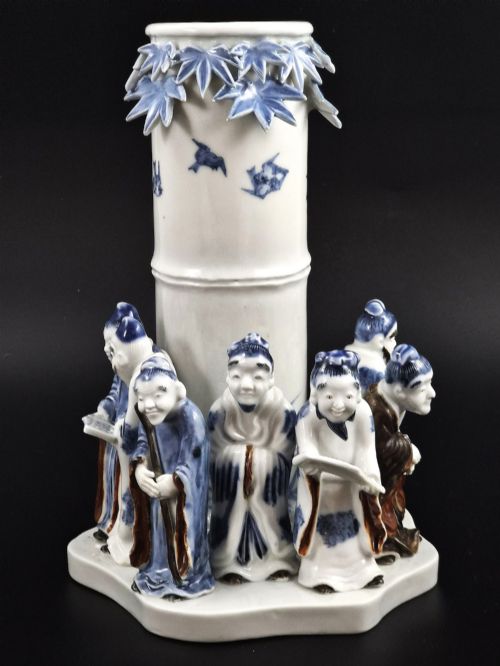
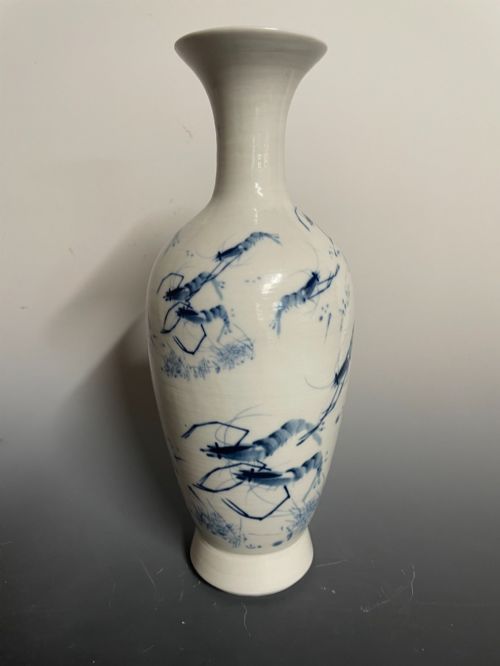
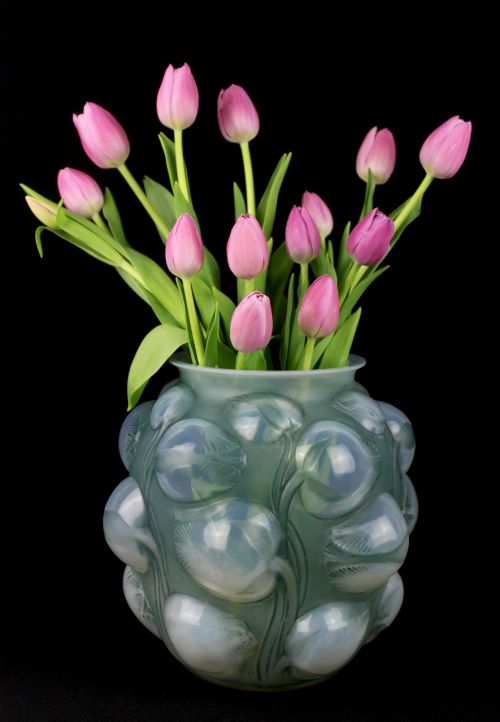
A blue flower vase is a vessel designed to hold stems or stand alone as a decorative piece, frequently decorated with floral motifs or rendered entirely in shades of blue. When searching this phrase, a buyer encounters everything from nineteenth-century Japanese imari porcelain and Chinese cloisonne to early twentieth-century British stoneware and French art glass.
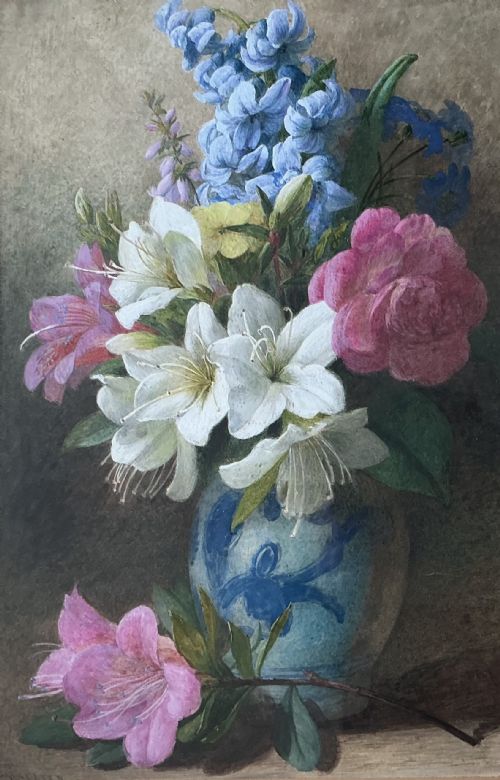
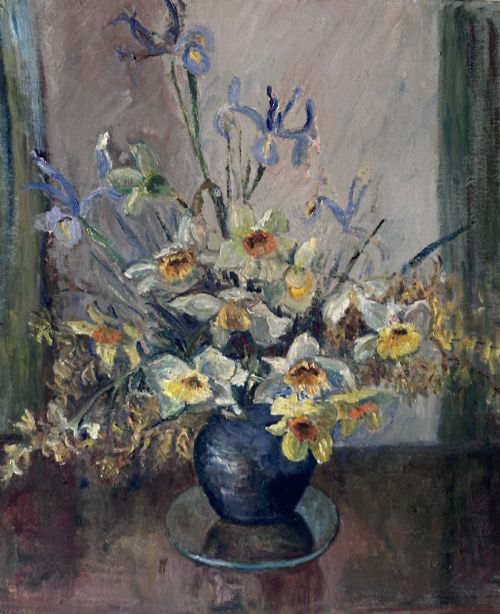
The versions most likely to be met on this page span the Victorian, Edwardian, and mid-century periods, taking the form of bulbous vessels, tall spill vases, and miniature cloisonne pieces. Alongside ceramic and glass vessels, the selection occasionally incorporates period oil paintings and watercolours depicting floral still lifes alongside pottery.
Originating across Europe and East Asia, these objects reflect distinct regional traditions in glaze chemistry and enamel work. English potteries like Royal Doulton and Moorcroft sit beside French glassmakers and Chinese export works, offering a wide spectrum of blue hues from pale turquoise to deep cobalt.
What varies in quality
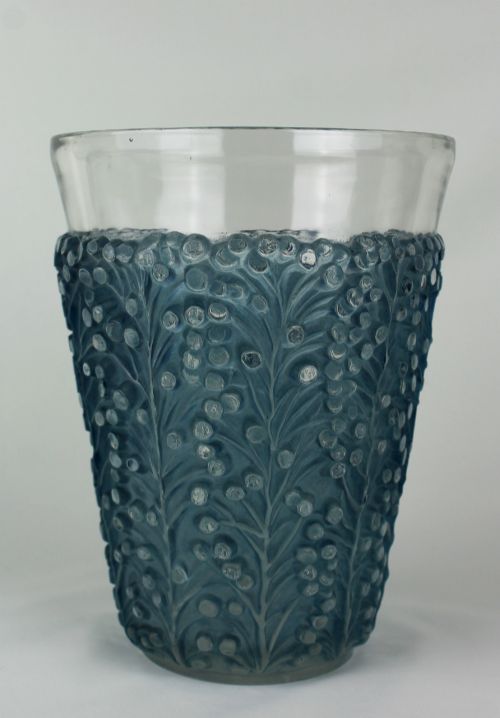
The refinement of the decorative execution separates standard production from exceptional work. In painted ceramics and glass, the crispness of the brushwork or the depth of the acid-etched cameo layers determines the visual impact of the piece.
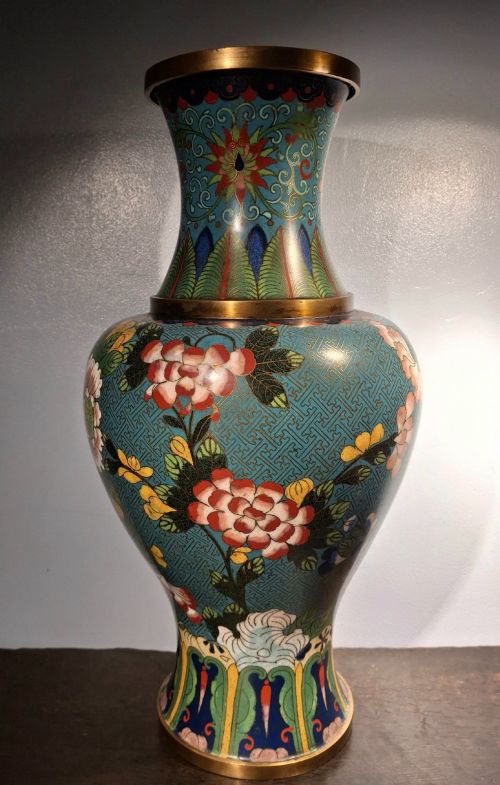
Material handling and finishing also define the tier of an object. Clean wirework in cloisonne, even glaze distribution without pooling, and balanced proportions distinguish the finer examples from simpler factory output.
Blue Flower Vase Retail Price Guide 2026
Typical asking prices for blue flower vase among the pieces listed under this phrase on Sellingantiques today, from the lower quarter to the upper quarter. They describe what is for sale here now, not the wider market.
Listings incorporate ceramics, glass, enamel, and oil paintings spanning from the seventeenth century through the mid-twentieth century.
Royal Doulton·Moorcroft·Emile Galle·Rene Lalique·Val St Lambert·William Adams and Sons·Stevenson and Hancock
The Blue Flower Vase Glossary
- Cloisonne
- A decorative metalwork technique where fine wires form raised barriers on the surface, creating compartments filled with enamel paste.
- Imari
- A style of Japanese porcelain featuring a distinct palette of underglaze blue and iron red, often augmented with gold leaf.
- Cameo glass
- A luxury glass technique produced by etching or carving through fused layers of differing colours to create a contrasting design relief.
- Jasper ware
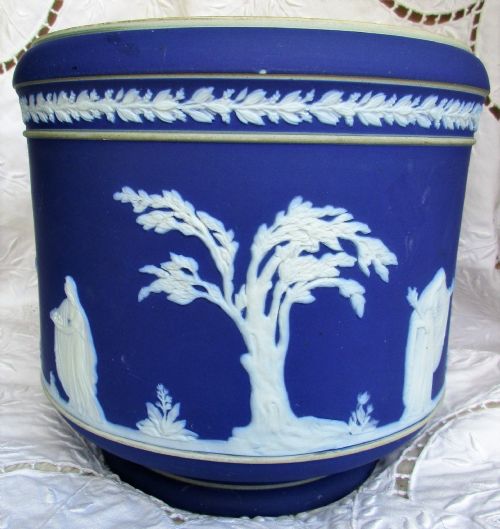
- A type of fine stoneware developed in the eighteenth century, noted for its matte surface and contrasting applied white reliefs on a coloured ground.
- Tulipiere
- A specialised vessel featuring multiple spouts or sockets designed to display individual stems of bulb flowers.
- Spill vase
- A narrow, upright container historically used to hold wooden spills for lighting fires or candles.
Blue Flower Vase: Frequently Asked Questions
How do I style a blue flower vase at home?
Pair the vessel with simple greenery or neutral-toned stems to let the cobalt or turquoise body remain the focal point. Alternatively, place the piece on a mantelpiece or sideboard where natural light can pass through glass examples or catch the metallic sheen of enamel work.
Consider the surrounding interior tones, as blue ceramics anchor warm wood surfaces while glass versions reflect ambient light. Grouping pieces of varying heights creates visual weight without cluttering a display space.
How do I distinguish between Japanese imari and Chinese blue and white porcelain?
Japanese imari typically incorporates a distinct palette combining underglaze cobalt blue with rust red and gold highlights over a crisp white body. Chinese blue and white pieces generally rely on tonal variations of blue alone, utilising intricate botanical or figurative motifs.
Examining the foot ring and glaze texture provides further clues, as different regional kilns employed unique clay preparation methods and firing supports during the nineteenth century and earlier.
How should I care for antique glass and ceramic vases?
Clean ceramic and glass pieces gently using lukewarm water and mild soap, avoiding harsh chemical abrasives that can damage historic glazes or enamel work. Dry thoroughly with a soft, lint-free cloth to prevent water spotting.
Keep delicate vessels away from direct sunlight and sudden temperature shifts to protect fragile glass structures and gold leaf detailing from fading or stress fractures over time.