




Blue Floral Tapestry
Blue floral tapestry pieces bring historic textile artistry and botanical motifs into a room, offering tactile warmth and traditional character.
Blue Floral Tapestry
A blue floral tapestry brings together woven botanical motifs and historic textile art across various forms. When searching for blue floral tapestry, a buyer encounters everything from large wall-hanging verdure panels to smaller decorative cushions and upholstered seating.
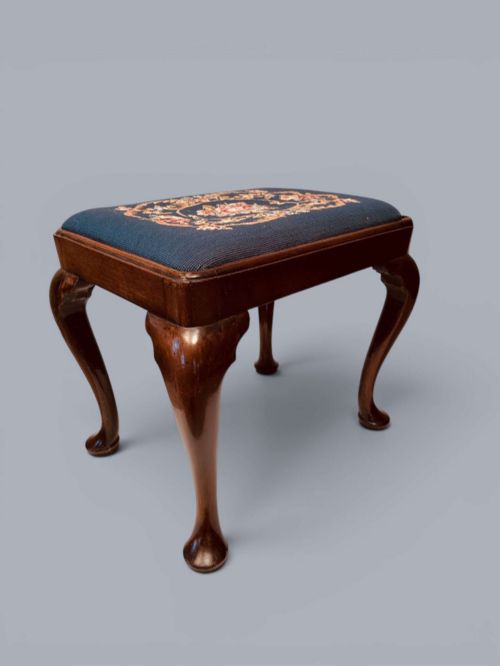
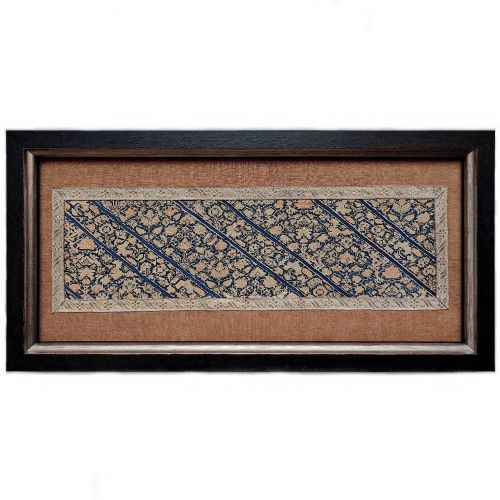
The pieces appearing on this page span several distinct periods, most notably the seventeenth century, the Victorian era, and the early twentieth century. Armchairs, dining chairs, stools, rugs, and cushions form the primary object types available for selection.
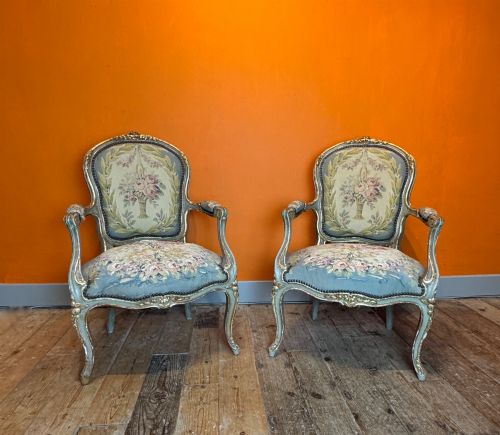
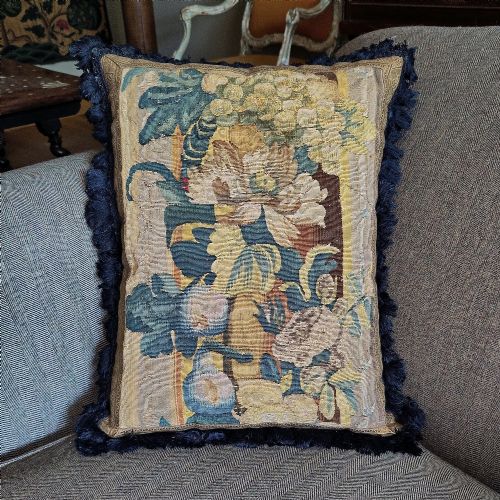
Regional styles such as Flemish, French Rococo revival, Bessarabian, and Portuguese Arraiolos appear frequently among the listings. Buyers are most likely to meet Victorian rosewood and walnut chairs featuring needlepoint seats or seventeenth-century Flemish cushion covers.
Materials and construction
Materials include natural fibres such as wool, silk, cotton, and textile blends, often paired with traditional hardwoods like walnut, rosewood, oak, and mahogany. Frames frequently incorporate carved details, painted finishes, and parcel gilding.
Weaving and needlepoint techniques define the surface designs, utilising dyed threads to construct intricate floral and verdure scenes. Upholstered pieces apply these textiles directly onto wooden chair frames, stools, and cushion casings.
Blue Floral Tapestry Retail Price Guide 2026
Typical asking prices for blue floral tapestry among the pieces listed under this phrase on Sellingantiques today, from the lower quarter to the upper quarter. They describe what is for sale here now, not the wider market.
Listings feature textiles and furniture spanning the seventeenth century, Victorian era, nineteen-forties, and nineteen-hundreds, constructed from wool, silk, cotton, walnut, and rosewood.
Factors of quality
The standard of a blue floral tapestry depends heavily on the complexity of the woven design and the integrity of the surviving textile fibres. Tightly woven needlepoint and well-preserved verdure panels demonstrate superior craftsmanship compared to heavily worn or later repaired examples.
Frame construction and timber selection also dictate overall merit in furniture pieces. Solid rosewood and walnut supports with original carved ornamentation elevate the piece beyond standard mahogany or oak alternatives.
The Blue Floral Tapestry Glossary
- Verdure tapestry
- A type of woven wall hanging or panel depicting a landscape filled with trees, foliage, and plants. These scenes often incorporate shades of blue and green.
- Needlepoint
- A form of counted thread embroidery stitched onto a canvas mesh ground. It appears frequently on Victorian chair seats and cushions.
- Kilim
- A flatwoven textile or rug made without a pile. Bessarabian examples feature distinct floral patterns.
- Fauteuil
- An open-armed wooden armchair with upholstered back and seat, popular in French revival styles. The wooden frame is often carved, painted, or gilded.
Blue Floral Tapestry: Frequently Asked Questions
How do I clean an antique tapestry cushion?
Antique textiles require gentle handling to preserve fragile fibres and historic dyes. Professional specialist cleaning is recommended rather than attempting domestic washing.
Surface dust can be removed very carefully using low suction through a mesh screen, avoiding direct contact with the threads.
Where were seventeenth century Flemish panels made?
Seventeenth-century Flemish tapestries originated in weaving centres across Flanders, including towns like Audenarde and Brussels. These workshops produced renowned verdure and figurative wall hangings.
Surviving fragments are often repurposed today as cushion covers or decorative textile art.
What is the difference between a kilim and a needlepoint rug?
A kilim is constructed using a flatweaving technique that interlocks warp and weft threads to create geometric or floral patterns without a raised pile. Bessarabian kilims are known for their striking floral designs.
Needlepoint works involve stitching yarn directly through an open-weave canvas backing, producing a dense textured surface.
How do I style a tapestry cushion in a modern room?
A tapestry cushion introduces historic texture and botanical colour into contemporary seating arrangements. Pairing an older textile cushion with clean lines creates a balanced interior.
Positioning smaller cushions on plain upholstery allows the detailed floral needlework to stand out effectively.