



Blue Floral China Plate
A blue floral china plate brings centuries of hand-painted artistry and transfer-printed scenes directly to the table.
Blue Floral China Plate
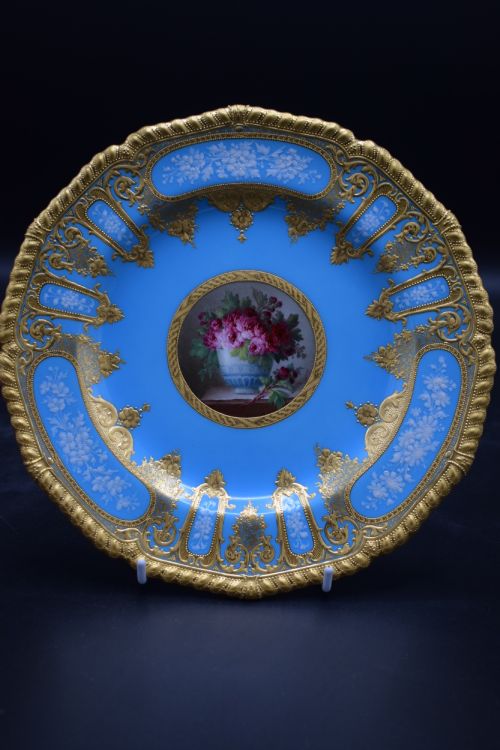
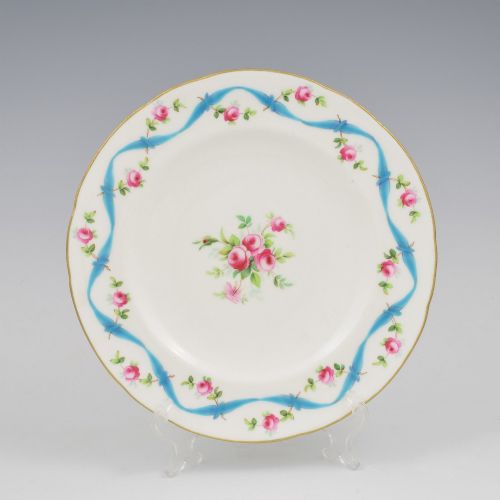
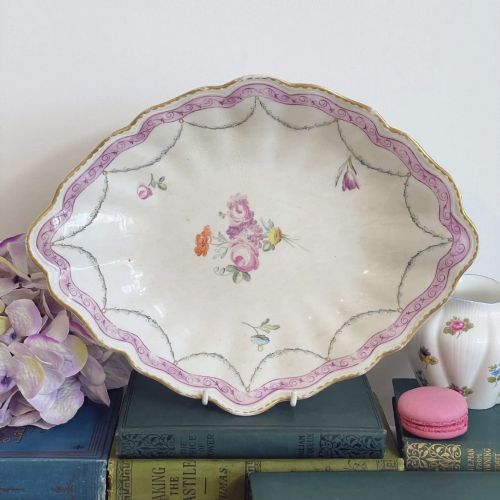
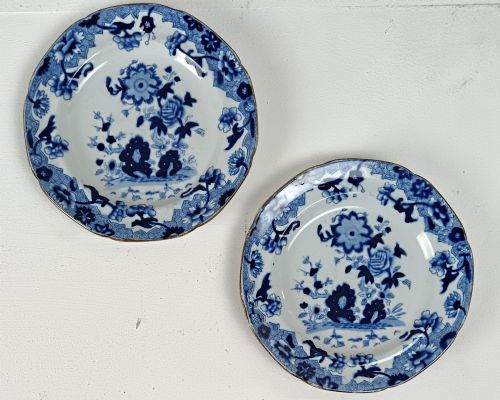
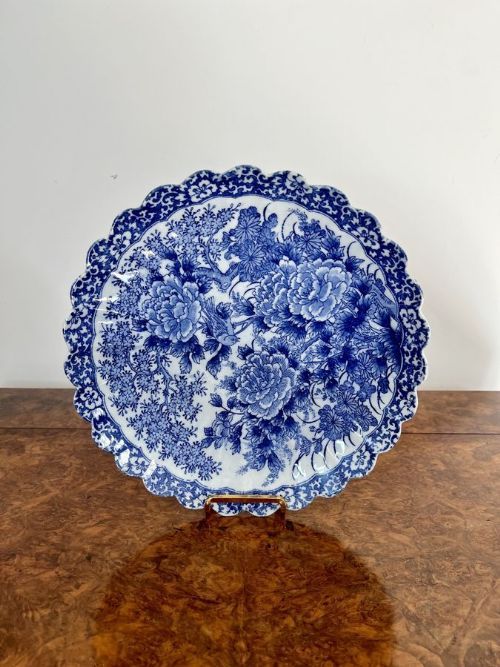
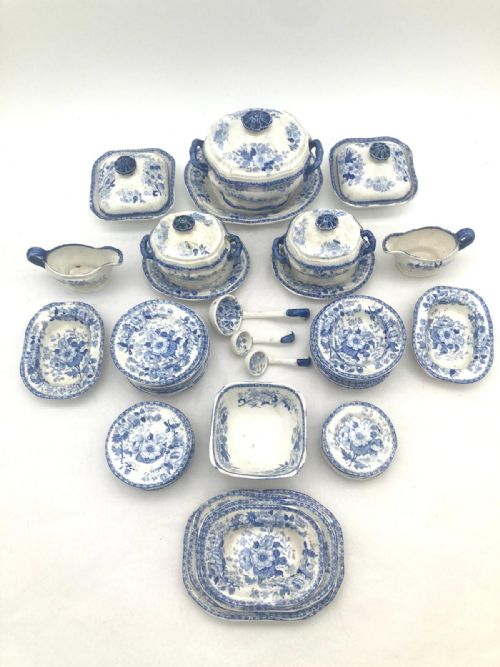
A blue floral china plate encompasses everything from 18th-century earthenware dishes to porcelain cabinet pieces decorated with botanical motifs and cobalt scenes. When searching for a blue floral china plate, buyers encounter diverse forms ranging from small tea plates and dessert services to large serving platters and deep chargers. These ceramics hail from English factories, continental makers, and Japanese kilns, spanning periods from the Georgian era through the Victorian age.
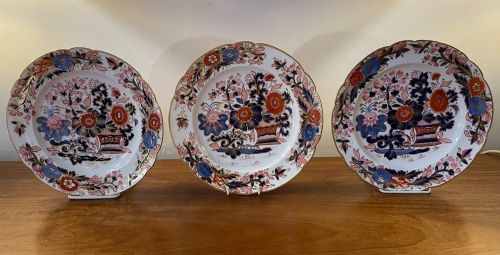
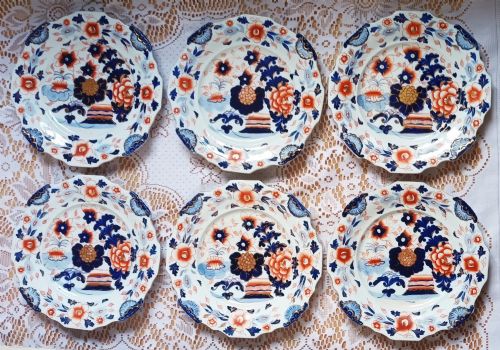
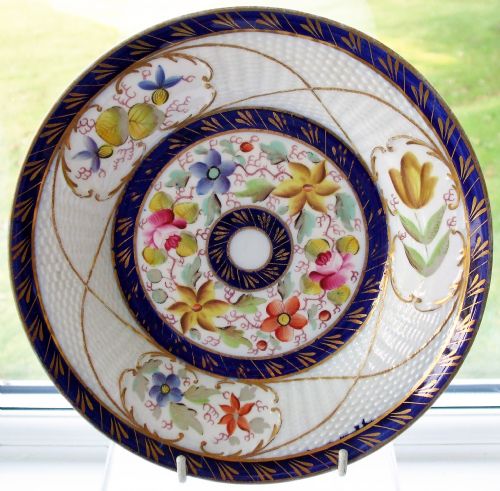
The versions most commonly met on this page are 19th-century English ironstone and porcelain plates featuring blue and white transfer printing or hand-painted floral patterns. Makers such as Minton, Spode, and Mason's dominate the offerings alongside Japanese Imari wares that utilise deep cobalt blues paired with iron-red and gilt highlights. Buyers select these items for display in cabinets or for use during formal dining.
Beyond standard tableware, the selection includes specialised pieces like bread and butter plates, soup bowls, and botanical serving dishes. The physical weight and body of each blue floral china plate varies according to its composition, shifting from delicate translucent porcelain to robust ironstone designed for heavier service. Each period brings distinct aesthetic choices, from the restrained blue and white schemes of the Georgian period to the ornate gilding of Victorian cabinets.
Materials and construction
Makers shaped these plates using refined ceramic bodies, porcelain, earthenware, and ironstone, each glazed and fired at high temperatures to ensure a durable surface. Cobalt oxide served as the primary pigment for blue designs, holding its colour through intense kiln heat whether applied by hand or via transfer printing. Gilding with gold leaf added final decorative borders and highlights to higher-grade cabinet pieces.
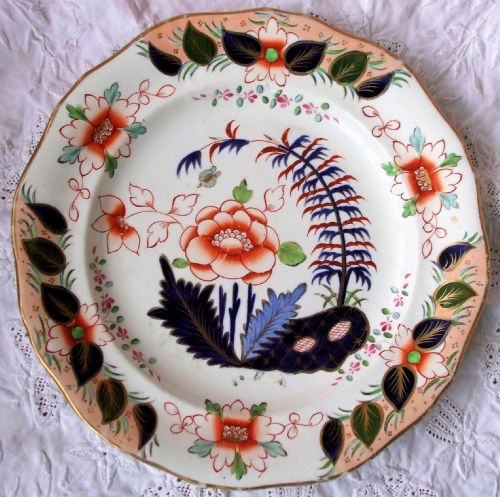
Transfer printing allowed workshops to apply intricate blue floral patterns onto earthenware and porcelain surfaces before glazing and firing. Hand-painting often accompanied these prints or stood alone on fine porcelain, utilising polychrome enamels alongside the dominant blue pigment. Potters formed pieces on wheels or pressed them into moulds, smoothing the edges and feet prior to the initial biscuit firing.
Blue Floral China Plate Retail Price Guide 2026
Typical asking prices for blue floral china plate among the pieces listed under this phrase on Sellingantiques today, from the lower quarter to the upper quarter. They describe what is for sale here now, not the wider market.
Several early pieces preserve the whimsical 'Crazy Cow' pattern alongside traditional botanical flowers.
Assessing quality and execution
The standard of a piece depends heavily on the crispness of the blue transfer print or the brushwork control in hand-painted floral details. Superior examples exhibit precise registration without smudged cobalt lines, alongside smooth glaze surfaces free from excessive pitting or kiln debris. The fineness of the ceramic body also separates everyday utility wares from exhibition-grade cabinet porcelain.
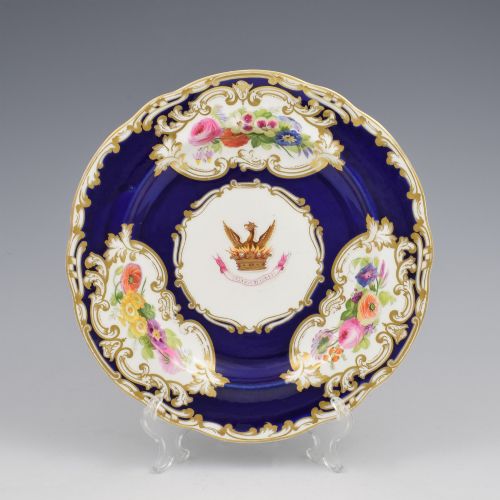
Makers who invested in meticulous hand-gilding, rich enamel highlights, and balanced armorial crests achieved a higher level of decorative refinement. The reputation of the pottery, such as Worcester, Derby, or Minton, correlates with superior potting standards and more ambitious artistic composition. Condition and completeness within a matched set further determine the standing of individual plates.
H and R Daniel·Royal Crown Derby·John Davenport·New Hall·Coalport·Royal Worcester·Kerr and Binns·Chamberlain Worcester·Wedgwood·Elkin and Newbon
The Blue Floral China Plate Glossary
- Ironstone
- A heavy, durable type of earthenware patented in the 19th century that resists chipping and mimics porcelain.
- Imari
- A Japanese decorative style featuring deep cobalt blue and iron-red, often accented with gold leaf.
- Transfer printing
- A mechanical method of transferring an engraved design onto ceramic surfaces using paper and ink.
- Cabinet plate
- A decorative plate intended for display in a cabinet rather than for daily dining use.
- Armorial
- A ceramic design featuring a family crest, coat of arms, or noble insignia hand-painted or printed onto the surface.
Blue Floral China Plate: Frequently Asked Questions
Can I use antique plates for dining?
Many sturdy ironstone and porcelain pieces remain suitable for careful daily use or special occasions, provided they avoid modern dishwashers and microwaves.
Earthenware from earlier centuries warrants more gentle handling to protect the glaze and prevent staining through microscopic crazing lines.
How do I identify a transfer-printed plate?
Transfer-printed patterns display a fine, uniform dot matrix or unbroken continuous lines under magnification, duplicating the exact engraving from a copper plate.
Hand-painted floral designs show subtle brush strokes, varying pigment thickness, and individual artist marks beneath the glaze.
What is Japanese Imari porcelain?
Japanese Imari refers to wares exported from Arita featuring a distinct palette of cobalt blue, iron-red, and gold leaf applied over a white ceramic body.
English potteries frequently copied these bold floral and panel designs during the Georgian and Victorian periods.
How do I care for antique china?
Wash each piece by hand in warm water using mild soap, placing a towel at the bottom of the sink to cushion the edges.
Store plates vertically in secure racks or interleave them with soft felt dividers to prevent surface scratching on the gilt and glaze.