



Blue Faience Jars
Blue faience jars bring rich historic character into a room through deep cobalt pigments and traditional tin-glazed earthenware forms.
Blue Faience Jars
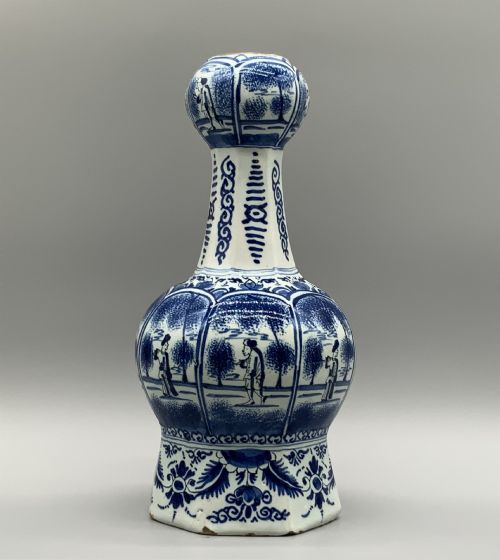
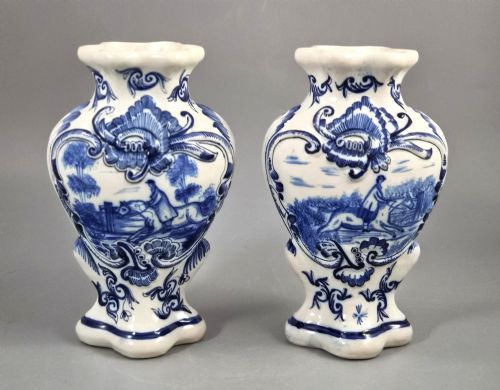
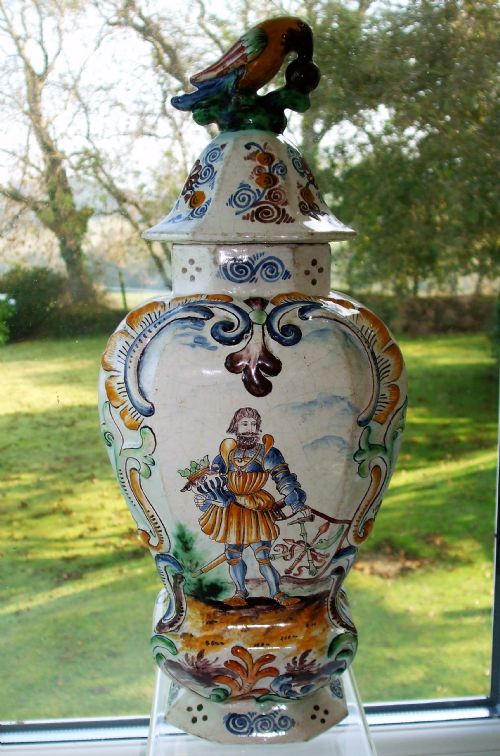
When you search for blue faience jars, you encounter historic vessels spanning several centuries, from 17th century Dutch Delft to 19th century French and Italian pieces. The selection includes apothecary jars, wet drug jars, albarellos, urns, and decorative vases.
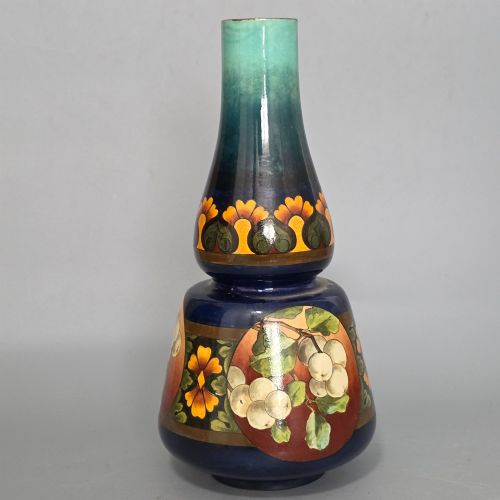
The 17th century Dutch examples often feature chinoiserie motifs with birds and flowers, while Italian pieces from Naples and Savona display traditional pharmacy forms. French Desvres workshops and Doulton Lambeth represent later 19th century interpretations of the faience tradition.
Materials and construction
Makers shaped these pieces from earthenware and ceramic bodies before applying tin glaze to create a smooth, opaque white surface. Artisans then painted details directly onto this glaze using cobalt pigment, often followed by a clear lead glaze layer.
Firing techniques varied across European centres such as Delft, Savona, and various French potteries, resulting in characteristic surface textures and glaze depths unique to each period.
Blue Faience Jars Retail Price Guide 2026
Typical asking prices for blue faience jars among the pieces listed under this phrase on Sellingantiques today, from the lower quarter to the upper quarter. They describe what is for sale here now, not the wider market.
Listings span the seventeenth, eighteenth, and nineteenth centuries, featuring earthenware bodies finished with tin glaze and cobalt pigment.
Assessing quality and execution
Quality shows in the crispness of the cobalt brushwork and the control of the tin glaze during firing. Pieces with well-defined botanical, avian, or chinoiserie details demonstrate superior artisan skill.
The integrity of the ceramic body and the preservation of the glaze over centuries distinguish exceptional examples from standard production pieces.
Fourmaintraux Courquin·Alice Euphemia Thatcher·Doulton Lambeth
The Blue Faience Jars Glossary
- Albarello
- A type of majolica earthenware jar used by apothecaries to store dry drugs, herbs, and ointments. These tall, waistless vessels typically feature an incurved body for easy gripping.
- Faience
- Tin-glazed earthenware produced in Europe, particularly in France, Italy, and the Netherlands. The technique involves applying an opaque white tin glaze over a buff or reddish clay body before painting.
- Tin Glaze
- A ceramic glaze made opaque by the addition of tin oxide. It provides a white background suitable for painting in cobalt blue and other metallic oxides.
- Chinoiserie
- European decorative motifs inspired by Chinese art and porcelain design. This style appears frequently on 17th century Dutch Delft pieces depicting imagined landscapes, birds, and flowers.
Blue Faience Jars: Frequently Asked Questions
What were blue faience jars used for?
These vessels originally served practical functions in apothecary shops and pharmacies, holding dry drugs, herbal remedies, and wet medicinal preparations. Many examples bear specific inscriptions detailing their contents.
Over time, larger decorative jars and urns transitioned into ornamental display pieces for domestic interiors, valued for their striking cobalt and white palette.
How do I date a blue faience jar?
Dating relies on examining the potting technique, the specific formulation of the tin glaze, and the style of the cobalt painting. Seventeenth-century Dutch examples often display distinct chinoiserie patterns and heavier earthenware bodies.
Later nineteenth-century pieces from French and English kilns reveal different stylistic revivals, such as Arts and Crafts or Alhambra influences, along with more refined ceramic bodies.
Where were these jars manufactured?
Production centres spanned across Europe, most notably in Delft in the Netherlands, Savona and Naples in Italy, and various French potteries including Desvres. Each region developed distinct local variations in clay preparation and glaze recipes.
English workshops like Doulton Lambeth also produced notable faience pieces during the nineteenth-century revival periods.
How should I display blue faience jars at home?
These jars fit well on mantelpieces, bookshelves, or dedicated display cabinets where their strong blue and white decoration stands out against neutral backgrounds. Their historic presence adds gravitas to both traditional and contemporary room schemes.
Position them away from direct heat sources and areas of heavy household traffic to protect their historic tin-glazed surfaces.