


Blue Expressionist Oil Painting
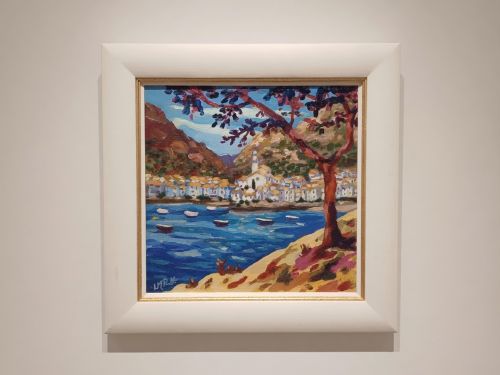
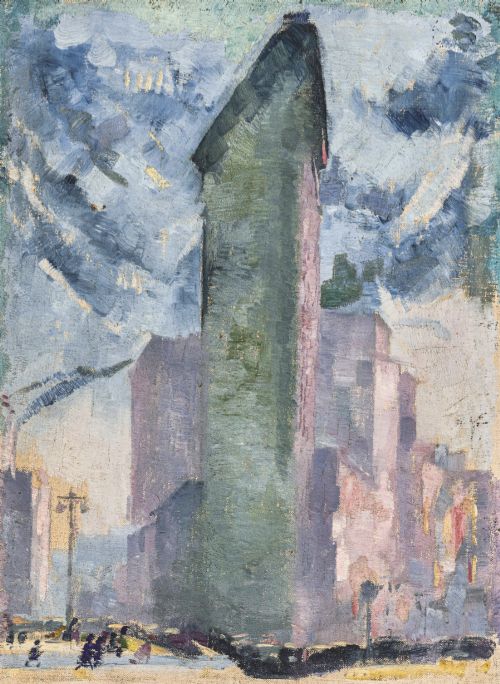
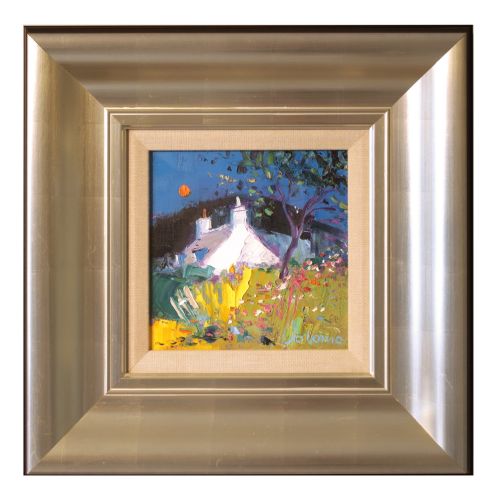
A blue expressionist oil painting brings raw energy and rich colour into a room, capturing mood through bold brushwork.
Blue Expressionist Oil Painting
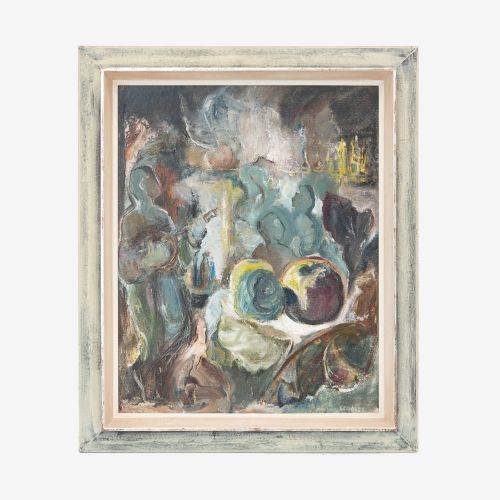
A blue expressionist oil painting represents a dynamic intersection of emotional intensity and pigment, where pigment conveys feeling rather than strict realism.
You will encounter works stretching from the early twentieth century through the nineteen-fifties and nineteen-sixties, including Scottish expressionism and French Fauvist influences.
The subjects range from figures and coastal scenes to abstracted compositions and still lifes, each anchored by oil paint on canvas, board, or paper.
Materials and construction
Artists utilise oil paint applied to canvas, board, or wood, frequently building thick impasto layers that give the surface a tangible, physical presence.
Many works retain their original wood frames, while others present the unframed canvas or board ready for hanging.
A boxer, a photographer, and a lady in white share a canvas from 1920.
Assessing quality
Quality rests in the conviction of the brushwork and the confidence of the composition, where every stroke serves the emotional weight of the piece.
The handling of colour harmony, particularly within blue tones, separates works of striking resonance from simpler decorative efforts.
Alfred Wolmark·John Lowrie Morrison·Vladimir Aldoshin·Lilian Colbourn·Tony Giles·Gabriel Dauchot·Pinchus Krémègne·Andre Delfau·Emanuele Cappello·Yetta Kane·Lillian M Harrison·Markey Robinson·William Ernst Burwell
The Blue Expressionist Oil Painting Glossary
- Impasto
- Paint applied thickly to a canvas or board, standing out in relief from the surface and showing the movement of the brush or knife.
- Fauvism
- An early twentieth-century style characterised by strong colours and wild brushwork over realistic representation.
- Chiaroscuro
- The strong contrast between light and dark, used to give objects and figures a three-dimensional volume.
- Expressionism
- A modernist movement where the artist seeks to express emotional experience rather than physical reality.
Blue Expressionist Oil Painting: Frequently Asked Questions
How do I date a blue expressionist oil painting?
Dating relies on stylistic markers such as mid-century abstract compositions or Fauvist influences, alongside framing and signatures.
Evidence from the nineteen-tens through the nineteen-sixties shows shifts in canvas preparation and subject matter that help anchor the period.
What is the difference between oil on canvas and oil on board?
Oil on canvas offers traditional flexibility and texture, whereas oil on board provides a rigid, flat support favoured by many mid-century painters.
Both materials hold pigment securely over decades, though board paintings often appear in smaller, more intimate formats.
How should I frame a mid-century oil painting?
Selecting a frame depends on whether the piece retains its original wood housing or requires simple mounting to complement the brushwork.
Mid-century frames often feature clean lines that allow the bold colour palette to command attention without distraction.
What subjects appear in these expressionist works?
Subjects span figurative studies, horse racing scenes, coastal views, and abstract compositions that prioritise mood over exact likeness.
Artists across Britain, France, and America interpreted these themes through distinct regional lenses during the mid-twentieth century.