
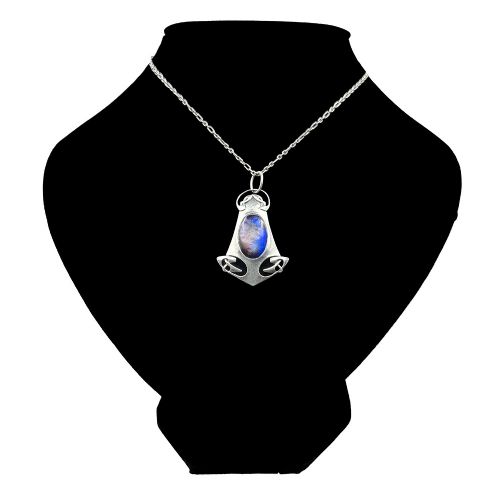
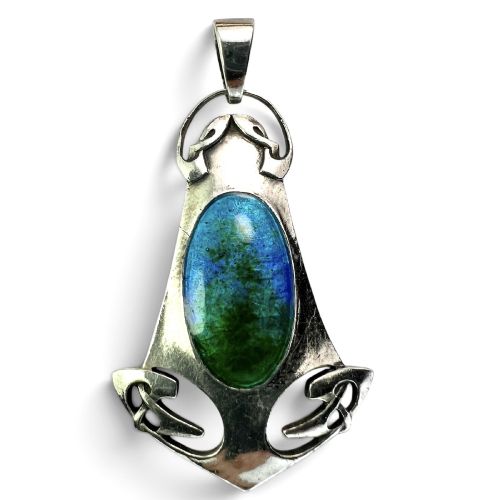


Blue Enamel Silver Pendant
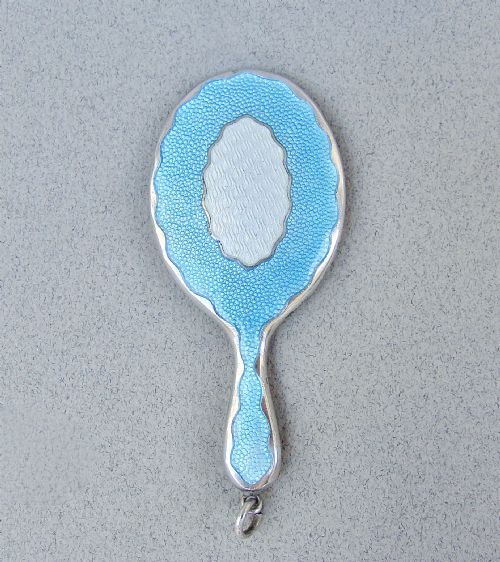
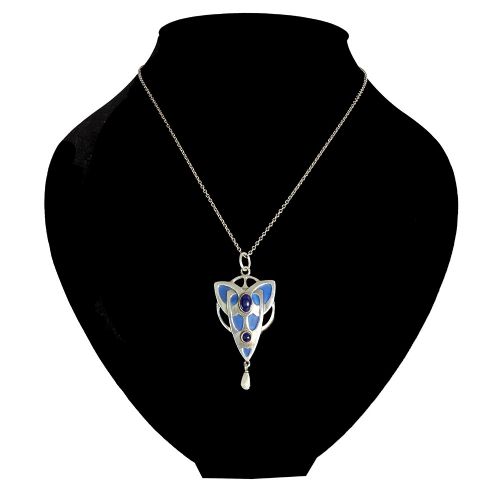
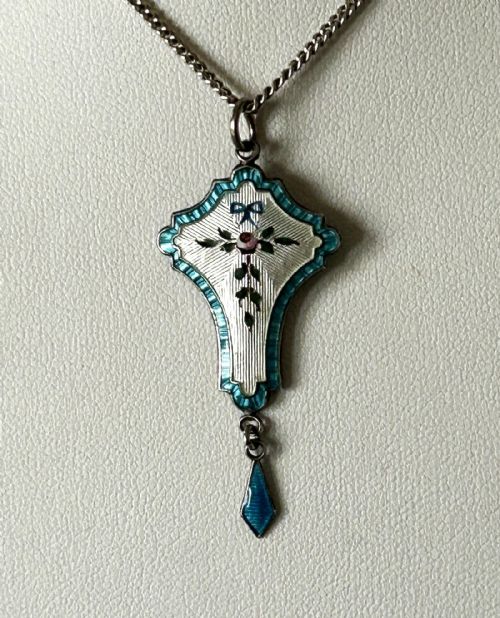
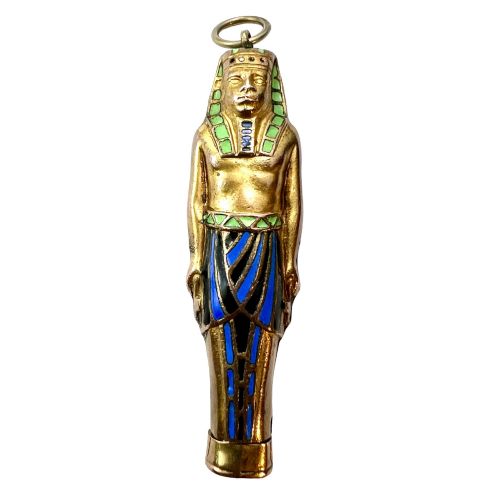
A blue enamel silver pendant is a wearable piece of miniature art, prized for its combination of lustrous coloured glass and precious metalwork.
Blue Enamel Silver Pendant
A blue enamel silver pendant combines silver or sterling silver mounts with vitreous glass coatings in various shades of blue. When buyers search for a blue enamel silver pendant, they find items spanning the nineteenth century, Edwardian era, and the nineteen-twenties and thirties.
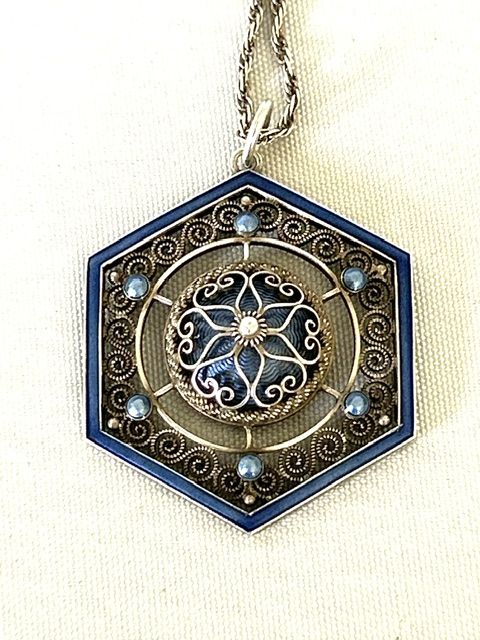
The designs draw heavily upon distinct historical styles, most notably Art Nouveau, Art Deco, and Arts and Crafts. Pieces often incorporate subsidiary elements such as pearls, chalcedony, glass, or gold accents to enhance the central blue enamel work.
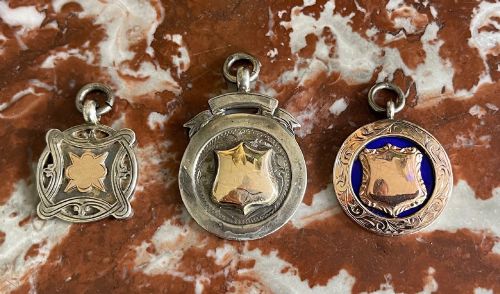
Forms range from traditional circular and shield-shaped pendants to necklaces, lockets, and occasionally multi-purpose items that double as brooches. The selection reflects diverse European origins, including English workshops, Scandinavian design houses, and Austro-Hungarian makers.
Materials and construction methods
Silver serves as the foundational metal for these jewels, appearing both in standard sterling grades and as silver gilt, providing a bright reflective backing for transparent vitreous enamel layers. Artisans fused powdered glass to the metal surface through high-temperature firing, creating a durable glossy coating.
Guilloche techniques involve machine-engraving a geometric pattern into the silver base before applying translucent enamel, allowing light to bounce through the blue colour. Cloisonne methods use thin silver wires soldered to the metal plate to outline compartments that hold distinct areas of coloured enamel paste prior to firing.
Listings feature items from the nineteenth century through to the nineteen-thirties, encompassing Victorian, Edwardian, Art Nouveau, Arts and Crafts, and Art Deco styles.
Distinguishing quality across the range
The finesse of the metalwork and the complexity of the enamel technique establish the standing of an individual piece. Hand-engraved guilloche patterns show crisp, precise geometry underneath smooth, evenly distributed translucent glass without clouding or surface pitting.
Attribution to documented workshops or known designers elevates a piece, particularly when maker marks remain sharp and legible on the reverse of the silver mount. The integration of supplementary natural materials like matched pearls or specific stones demonstrates higher ambition in the original design.
Marius Hammer·Murrle Bennett·Archibald Knox·Liberty and Co·Henry Williamson·Henry Matthews·Henry Perkins and Sons·Wilhelm Fuhner·Charles Horner·David Andersen·Reeslev Design
The Blue Enamel Silver Pendant Glossary
- Vitreous enamel
- Glass powder fused to metal at high temperatures. This forms the hard, glossy coloured surface characteristic of these pendants.
- Guilloche
- A decorative technique where a mechanical lathe etches a precise geometric repeat into metal. Translucent enamel applied over this engraving creates shifting patterns of light.
- Cloisonne
- An enamelwork method employing fine metal wires bent to form cells. These compartments are filled with coloured glass paste and fired.
- Sterling silver
- An alloy consisting of silver and other metals to increase durability. It provides the standard structural framework for these pendants.
- Silver gilt
- Silver covered with a thin layer of gold. This treatment adds a warm metallic tone alongside the blue enamel.
Blue Enamel Silver Pendant: Frequently Asked Questions
How do I date a blue enamel silver pendant?
Dating relies on stylistic markers such as flowing organic lines for Art Nouveau pieces or sharp geometric symmetry for Art Deco items. Hallmarks stamped into the silver mount often provide precise assay office symbols and date letters.
Examining the construction of the bail, chain attachment, and stone settings offers additional clues. Comparing these details against known production periods helps narrow the manufacturing window.
How should I clean my silver and enamel pendant?
Enamel is essentially glass and requires gentle handling to avoid scratching the polished surface. Use a soft cloth dampened with warm water and mild soap, drying thoroughly immediately afterward.
Avoid abrasive silver dips or ultrasonic cleaners, as harsh chemical solutions can damage fragile enamel or degrade organic elements like pearls.
Are these pendants suitable for daily wear?
Vitreous enamel is durable but can chip or crack if subjected to sharp impacts against hard surfaces. Wearing them with care preserves the integrity of the glass coating.
Storing the pendant in a dedicated lined box prevents it from scratching against other items of jewellery when not being worn.
What is the difference between guilloche and cloisonne enamel?
Guilloche relies on machine-engraved metal beneath translucent enamel to create repeating wave or sunburst patterns. The design is cut directly into the silver base before firing.
Cloisonne builds the design upward by soldering thin wire walls onto a flat metal plate. The resulting pockets are filled with different colours of enamel paste.
Did these pendants originally come with chains?
Many Edwardian and Art Nouveau pendants were sold alongside matching silver chains, though original chains are frequently separated over time. Surviving examples with period-appropriate chains are particularly valued by collectors.
Pendants lacking original chains are commonly paired with compatible vintage silver neck chains of a matching weight and tone.