

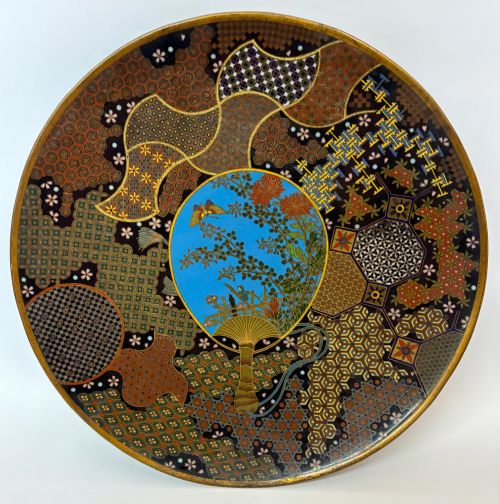


Blue Enamel Plaque
A blue enamel plaque brings vibrant colour and lasting industrial or decorative resilience to any wall or tabletop.
Blue Enamel Plaque
A blue enamel plaque encompasses a diverse selection of items, ranging from large advertising signs and decorative chargers to small trinket boxes and architectural panels. The pieces on this page span the eighteenth, nineteenth, and early twentieth centuries, reflecting both Western industrial output and Eastern decorative traditions.
Buyers most frequently encounter Japanese cloisonne chargers and plates from the Meiji and Edo periods alongside British and European advertising signs. These objects utilise vitreous enamel fused onto metal bases such as copper, iron, steel, and brass.
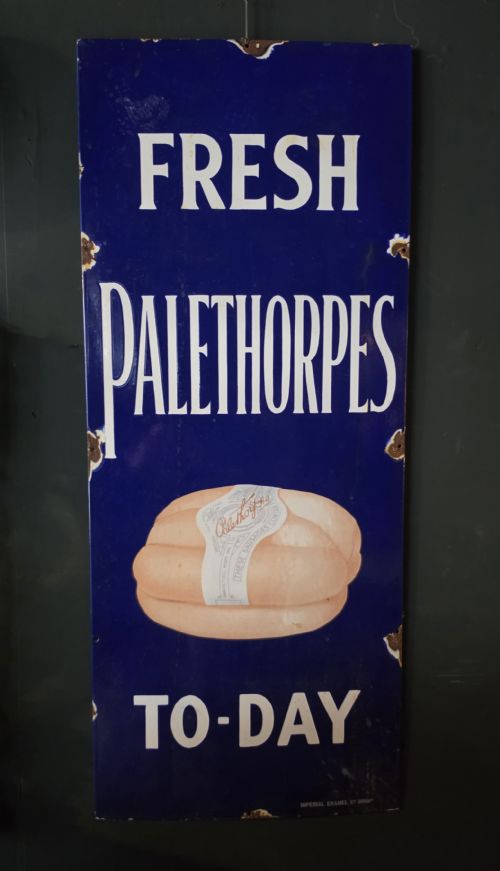
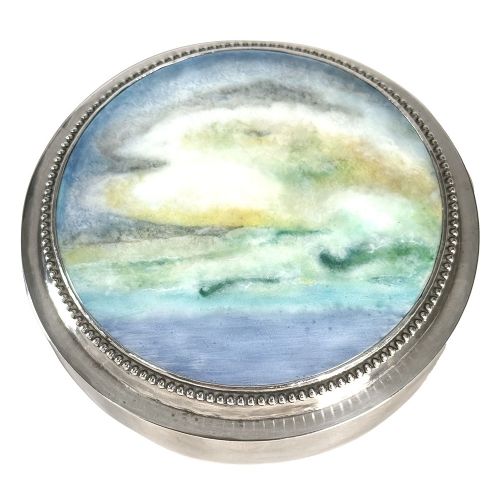
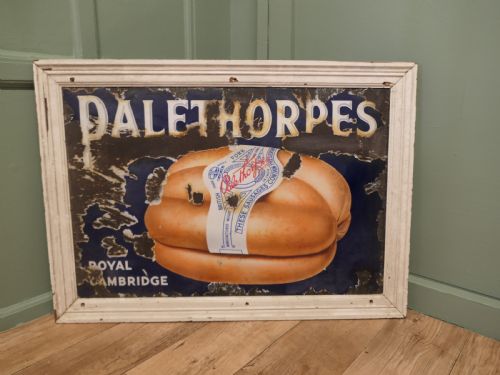
Forms include large wall signs for brands like Palethorpes and Shell-Mex, intricate Oriental dragon and koi chargers, and smaller items like silver boxes with landscape plaques.
How they were made
The creation of these pieces relies on the fusion of powdered glass, or vitreous enamel, onto a metal substrate through high-temperature firing. Copper serves as the foundation for intricate cloisonne work, where thin metal wires create cells filled with coloured pastes before firing.
Industrial signs utilise heavy iron and steel bases coated in durable enamel to withstand weathering on exterior walls. Artisans layer different shades of blue to achieve depth, often finishing the metalwork with gilt bronze, brass mountings, or silver framing.
Blue Enamel Plaque Retail Price Guide 2026
Typical asking prices for blue enamel plaque among the pieces listed under this phrase on Sellingantiques today, from the lower quarter to the upper quarter. They describe what is for sale here now, not the wider market.
Listings feature items spanning the eighteenth century through to the 1930s, incorporating materials such as copper, brass, iron, and wood.
What varies in quality
Quality in a blue enamel plaque lies in the precision of the hand-applied design and the complexity of the firing process. Early Japanese cloisonne achieves distinction through exact wirework and figurative detail depicting birds, dragons, and samurai without clouding in the glaze.
For commercial signs, the clarity of the lettering and the preservation of the original mounting hardware dictate the standard of the piece. The depth and saturation of the blue enamel tones separate utilitarian items from masterworks.
Guild of Handicrafts·Shell-Mex and B.P. Ltd·Palethorps Royal Cambridge
The Blue Enamel Plaque Glossary
- Cloisonne Enamel
- A decorative technique where metal wires are soldered to a metal base to form compartments that are filled with enamel paste and fired.
- Vitreous Enamel
- A material made by fusing powdered glass to a substrate by firing, usually producing a durable and glossy coloured surface.
- Charger
- A large decorative plate or dish, often intended for display on a wall or dresser rather than for serving food.
- Meiji Period
- A Japanese historical era lasting from 1868 to 1912, noted for significant shifts in art production and international export.
- Edo Period
- A period in Japanese history spanning from 1603 to 1867, associated with traditional craftsmanship and detailed metalwork.
Blue Enamel Plaque: Frequently Asked Questions
What is a blue enamel plaque?
A blue enamel plaque is a decorative or advertising object made by fusing powdered glass to a metal base, featuring shades of blue as the dominant background or colour scheme.
These pieces range from large industrial wall signs and commercial signage to intricate Japanese chargers and small silver boxes with inset plaques.
How were advertising signs used?
Advertising signs were displayed outside shops, railway stations, and commercial premises to promote household products, oils, and foodstuffs to the public.
Built with heavy iron or steel and coated in durable vitreous enamel, they were designed to withstand outdoor weather conditions for decades.
How do I date a cloisonne plaque?
Dating relies on stylistic markers, the composition of the metal base, and the characteristics of the enamel colours used by the workshop.
Meiji and Edo period Japanese pieces often display distinct motifs like dragons, koi, and chrysanthemums executed with specific wirework techniques unique to the nineteenth century.
How do I display a charger?
Large chargers and plaques are typically mounted securely on walls using specialist plate hangers or displayed upright on sturdy wooden brackets.
Due to their weight and the brittle nature of vitreous enamel, proper support is essential to protect the edges and the glazed surface.