








Blue Enamel Lid
These blue enamel lid pieces combine metal, glass and ceramic bodies with rich coloured surfaces, offering a tactile piece of vanity and display history for the collector.
Blue Enamel Lid
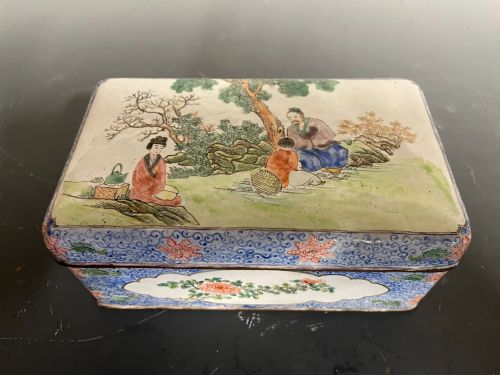
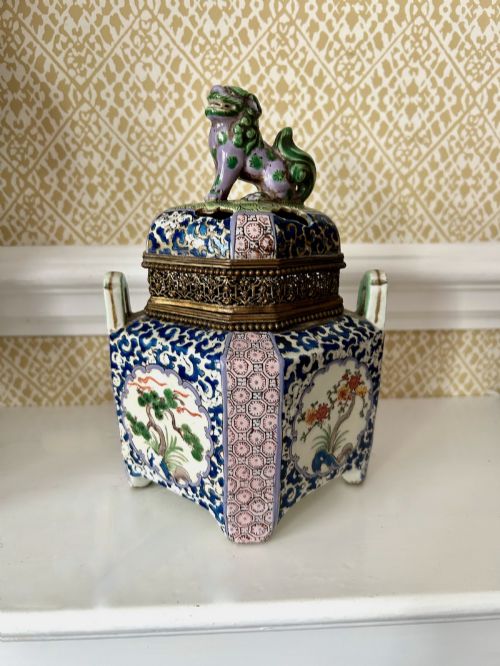
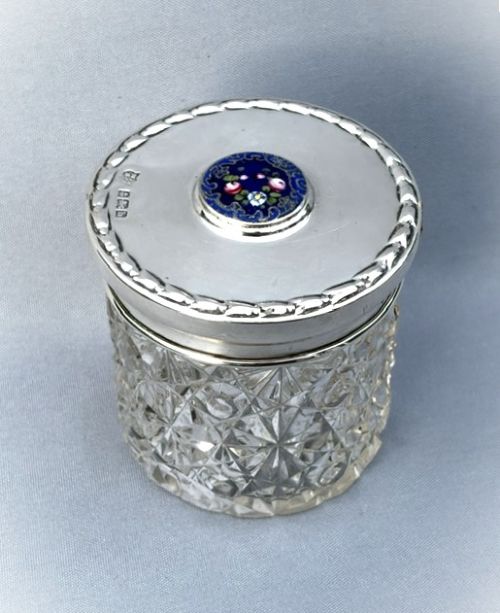
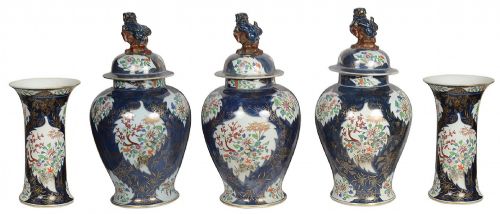
A blue enamel lid serves as the defining focal point for small vanity jars, trinket pots and decorative vessels found across multiple periods. The items carrying these covers range from Georgian patch boxes and Edwardian silver pots to Art Deco cut glass jars and Japanese cloisonne pieces.
Most examples encountered on this page function as dressing table accessories or decorative containers, employing enamel work set into sterling silver, copper or porcelain. The physical forms vary from round trinket boxes to ginger jars and lidded vases.
Materials and construction methods
The fabrication of these objects combines vitreous enamel fused to metal bases such as copper, bronze or sterling silver, alongside glass and porcelain bodies. Artisans applied powdered glass pastes to shaped metal substrates before firing them at high temperatures to create a durable, glossy surface colour.
Detailing often incorporates gilt bronze mounts, hand-painted motifs, gold leaf highlights and cut glass bodies beneath the metal and enamel covers. French champleve techniques sit alongside Japanese cloisonne wirework and English Staffordshire manufacturing methods within the record.
Blue Enamel Lid Retail Price Guide 2026
Typical asking prices for blue enamel lid among the pieces listed under this phrase on Sellingantiques today, from the lower quarter to the upper quarter. They describe what is for sale here now, not the wider market.
Listings span several centuries, featuring items from the eighteenth, nineteenth and twentieth centuries alongside Edwardian, Art Deco and Regency styles.
Quality variations in production
The distinction between standard production and superior examples lies in the precision of the enamel work, the weight of the underlying metal or glass, and the crispness of any hand-painted details. Finer pieces display smooth, unblemished vitreous surfaces with secure mountings and well-defined gilding.
Construction integrity also dictates standard, with tightly fitting lids and robust hinges or rims separating better-preserved specimens from lesser or more heavily worn items. The integration of materials, such as silver mounts fitted cleanly to cut glass or porcelain, indicates higher workshop standards.
The Blue Enamel Lid Glossary
- Champlevé
- A technique where troughs or cells are hollowed out of a metal surface and filled with vitreous enamel before firing. This method creates bold coloured designs bordered by visible metal lines.
- Cloisonné
- Enamelling work where fine metal wires are soldered to a base to form compartments that hold different coloured paste. The piece is then fired and polished flat.
- Bilston enamel
- Decorated enamel objects produced in Staffordshire during the eighteenth century, typically featuring small copper trinket and patch boxes with hinged lids. These items often display detailed hand-painted scenes.
- Gilt bronze
- Bronze objects treated with a thin layer of gold or gold amalgam to produce a bright metallic finish. Also known as ormolu, this material frequently frames enamel plaques and ceramic bodies.
- Famille rose
- A palette of Chinese ceramic glazes distinguished by opaque pink or purple enamel colours introduced during the eighteenth century. Pieces in this style often feature floral and figural compositions.
Blue Enamel Lid: Frequently Asked Questions
What were blue enamel lid jars used for?
These lidded vessels served primarily on dressing tables and in bedchambers to hold small personal items, cosmetics, patches or trinkets. Their decorative nature meant they were displayed openly on surfaces rather than stored away.
Over time, their function shifted from practical vanity accessories to collectable display objects appreciated for their craftsmanship and material variety.
How do I date a blue enamel lid piece?
Dating relies on identifying the underlying material style, hallmarks on silver mounts, and the specific manufacturing technique used for the enamel. For instance, Georgian patch boxes differ significantly in construction from Art Deco cut glass jars.
Examining the base material, such as copper, brass, or sterling silver, alongside stylistic clues like Edwardian or Japanese Meiji motifs helps narrow the period of origin.
How should I clean blue enamel lid items?
Cleaning requires gentle handling to protect fragile enamel surfaces, hand-painted details, and delicate gilt mountings. Soft, dry cloths suit routine dusting without risking abrasion to the glossy finish.
Moisture and chemical cleaners should generally be avoided, particularly on antique metal and enamel where aggressive scrubbing can lift the vitreous paste or damage underlying silver and gold leaf.
Are all blue enamel lid pieces handmade?
The pieces span various manufacturing eras, ranging from individual hand-painted Georgian and Victorian studio items to more structured late nineteenth and twentieth-century factory production. Techniques like cloisonne and champleve inherently require manual wire placement and filling.
While industrial methods increased during the Art Deco period, the application and firing of enamel surfaces typically retained a significant degree of skilled hand labour.