







Blue Enamel Jar
A blue enamel jar brings vibrant cobalt colour and metalwork precision to a dressing table or display shelf.
Blue Enamel Jar
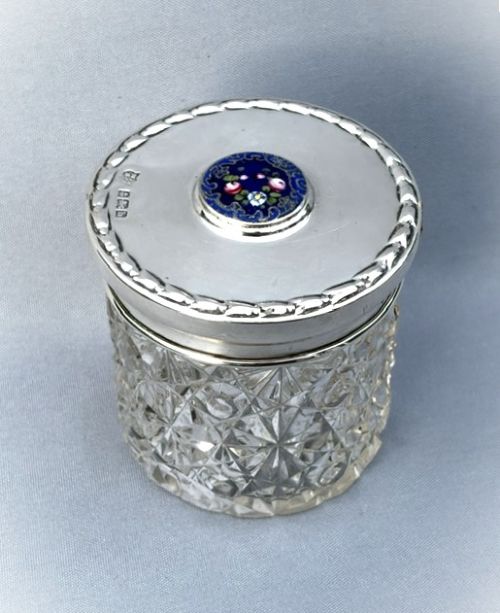
A blue enamel jar encompasses small dressing table containers, vanity boxes, and lidded vessels designed for powders, pins, or cosmetics. These pieces span dressing table accessories from the Edwardian and Art Deco decades, often featuring sterling silver fittings alongside the vitreous coating.
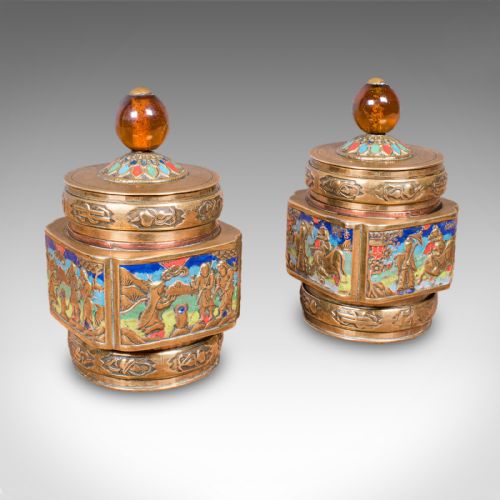
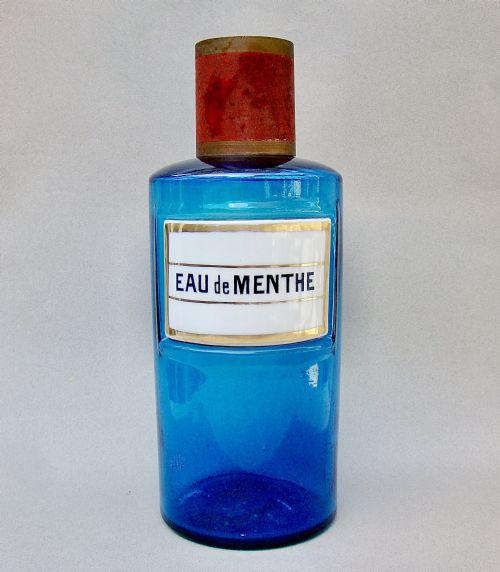
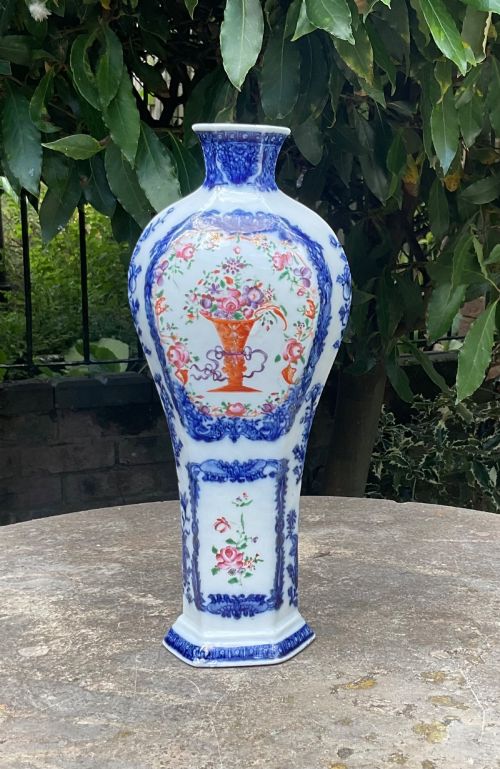
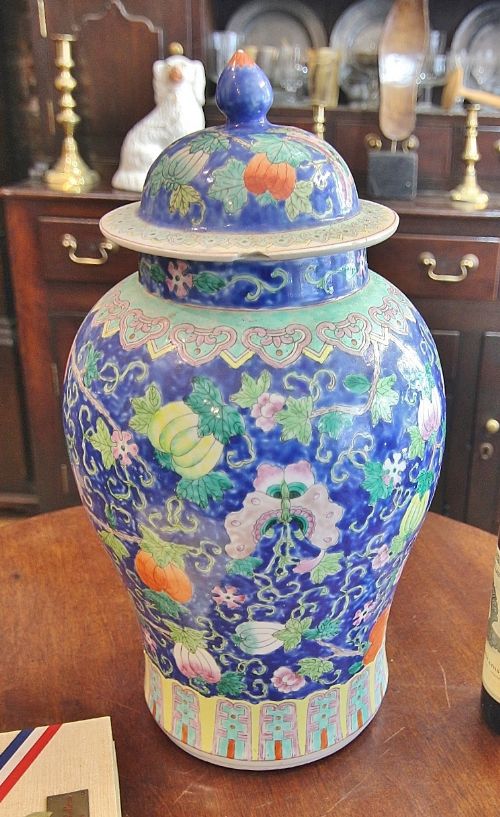
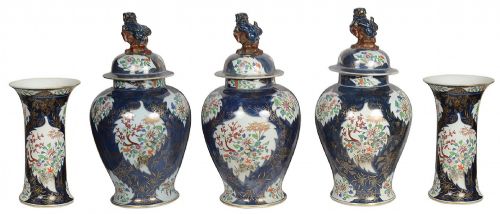
The selection also includes oriental ginger jars, cloisonne vessels, and glass pieces utilising blue enamel decoration. Buyers frequently encounter British silver and enamel vanity boxes alongside continental glass and Chinese export pieces.
How they were made
Makers applied powdered glass over metal bases, such as copper or sterling silver, firing the piece in a kiln to fuse the vitreous enamel into a smooth, glossy surface. Engine turning, or guilloche, created geometric patterns beneath translucent blue enamel layers.
Vessels constructed from glass or porcelain incorporated painted or cloisonne enamel details, where thin metal wires formed cells to hold distinct coloured pastes before firing.
Blue Enamel Jar Retail Price Guide 2026
Typical asking prices for blue enamel jar among the pieces listed under this phrase on Sellingantiques today, from the lower quarter to the upper quarter. They describe what is for sale here now, not the wider market.
Listings feature items spanning the eighteenth, nineteenth, and twentieth centuries, utilising materials from cut glass and porcelain to sterling silver and cloisonne enamel.
What varies in quality
Quality rests upon the clarity of the enamel work, the precision of the engine-turned patterns beneath translucent layers, and the weight of the sterling silver or bronze mounts. Finer examples display even colour saturation without pitting or distortion across the curved surfaces.
The integration between the metal collar and the glass or ceramic body reveals the standard of manufacture, where superior items maintain secure, flush fittings and crisp hallmarks.
Henry Clifford Davis·Walker And Hall
The Blue Enamel Jar Glossary
- Guilloche
- A decorative engraving technique that etches precise geometric patterns into metal before a translucent enamel layer is applied over the top. This method creates depth and shimmering light effects beneath the coloured glass surface.
- Cloisonne
- An ancient metalworking process where thin wire partitions are soldered onto a base to form cells, which are then filled with enamel paste and fired. The resulting surface displays intricate coloured designs divided by thin metal lines.
- Sterling silver
- A metal alloy consisting of silver and other metals, predominantly copper, standardised for durability and use in decorative wares. It forms the lids, collars, and mounts for many dressing table jars.
- Vitreous enamel
- A material made by fusing powdered glass to a substrate by firing, usually between seven hundred and nine hundred degrees Celsius. The powder melts, flows, and hardens to a smooth, durable coating.
Blue Enamel Jar: Frequently Asked Questions
What were blue enamel jars used for?
These vessels served primarily on dressing tables and vanity sets to hold face powder, hairpins, trinkets, or cold creams. The fitted lids protected delicate cosmetics and kept personal items neatly concealed.
In larger formats, similar jars functioned as decorative ginger jars or lidded bowls for display in domestic interiors.
How do I date a silver and enamel jar?
Dating relies heavily on the hallmarks stamped onto the sterling silver mounts, which indicate the assay office, year letter, and maker. Stylistic cues such as geometric guilloche patterns point toward the Art Deco era.
Earlier Edwardian pieces often display softer floral motifs or simpler engine-turned designs beneath the coloured surface.
Are these jars made of solid silver?
The silver components, such as the lids, collars, and rims, consist of sterling silver, while the main body of the jar is typically formed from glass, cut crystal, porcelain, or pottery. Fully metallic vessels usually employ copper or brass as the base metal beneath the enamel.
Examining the hallmarks confirms the exact silver standard used for the metal fittings.