

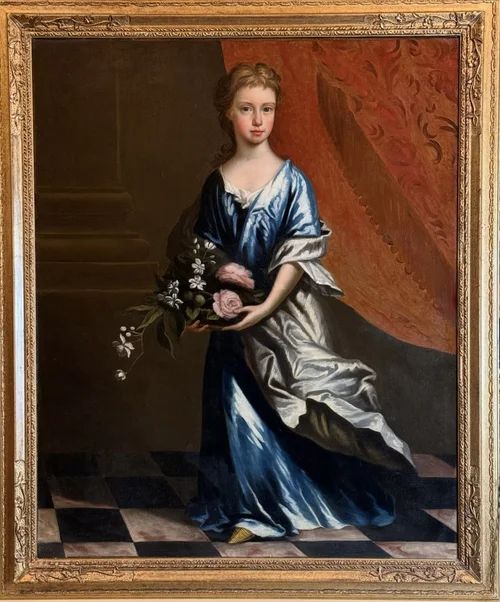
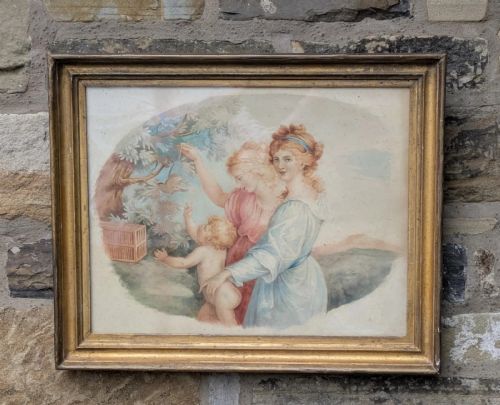


Blue Dress Figure Painting
These blue dress figure painting works capture character through delicate brushwork and porcelain form.
Blue Dress Figure Painting
A blue dress figure painting brings together portraiture, narrative scenes, and sculptural porcelain figures depicting subjects in blue attire. These pieces span centuries from the eighteenth century through the twentieth century, encompassing oil paintings, watercolours, and glazed ceramic figures.
Materials and techniques
Painters utilised oil on canvas and watercolour on paper to capture textile textures and facial expressions. The application of pigment ranges from fluid washes of watercolour to rich, layered oil paints.
Ceramic figures were formed in moulds using porcelain or carved from wood, then hand-painted with coloured enamels and glazed before firing.
Blue Dress Figure Painting Retail Price Guide 2026
Typical asking prices for blue dress figure painting among the pieces listed under this phrase on Sellingantiques today, from the lower quarter to the upper quarter. They describe what is for sale here now, not the wider market.
Assessing quality and execution
Superior porcelain figures retain crisp enamel colours and sharp moulded details without blurring or softening of the underlying form.
Charles D’Agar·Royal Copenhagen·Ernst Bohne and Soehne·Derby·Royal Doulton
The Blue Dress Figure Painting Glossary
- Watercolour on Paper
- A painting medium using water-soluble pigments applied to paper supports. This technique creates translucent washes that rely on the white of the paper for luminosity.
- Oil on Canvas
- A traditional painting method where pigments suspended in oil are applied to stretched fabric. This medium allows for deep colour saturation and rich surface texture.
- Porcelain Figurine
- A three-dimensional ceramic sculpture moulded from fine white clay. These pieces are glazed and fired at high temperatures, then often hand-painted with enamel details.
- Dummy Board
- A flat wooden figure painted to resemble a real person or animal, designed to be placed in a room as a trompe-l'œil decoration.
- Neoclassical
- An artistic style drawing inspiration from the classical art and culture of ancient Greece and Rome. It emphasises proportion, restraint, and classical themes.
Blue Dress Figure Painting: Frequently Asked Questions
How should I display a watercolour painting safely?
Watercolours are sensitive to bright sunlight and moisture. Hang them away from direct windows using conservation-grade framing and UV-protective glass.
Keeping them in stable indoor environments protects the paper and pigments from fading or deterioration over time.
Where were porcelain figures traditionally placed in a home?
Porcelain figures were typically displayed on mantelpieces, side tables, or within glazed cabinets in reception rooms. They served as decorative conversation pieces that demonstrated the owner's taste.
Collectors often arranged pairs together on furniture tops to balance interior displays.
How do I care for antique painted wood figures?
Dust wood figures gently with a soft, dry cloth without using liquid cleaners or polishes. Maintaining stable room humidity prevents the wood from drying out and cracking.
Avoid placing them near heat sources or in areas subject to rapid temperature changes.
What defines the Regency period in portraiture?
Regency portraits reflect the fashion and aesthetic of early nineteenth-century Britain. They frequently feature subjects in refined attire, rendered with a focus on naturalism and personality.
Clothing styles from this era often include high-waisted dresses for women and tailored coats for men.