



Blue Decorative Box
These blue decorative box examples span centuries of craft, offering a secure home for small treasures.
Blue Decorative Box
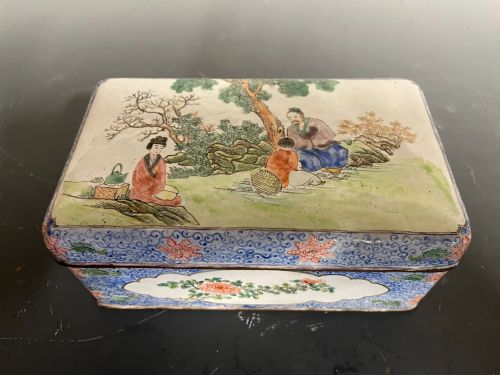
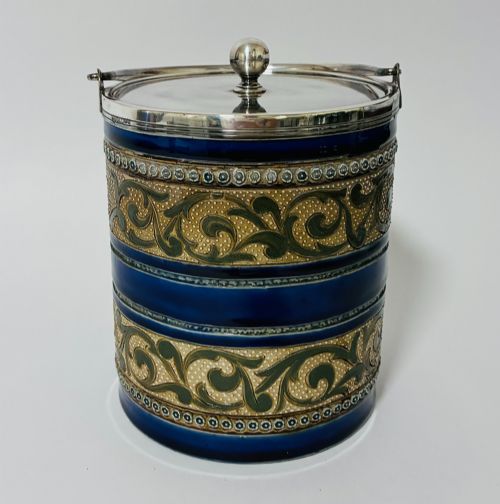
A blue decorative box encompasses a range of lidded containers, from Victorian biscuit barrels and keepsake cases to eighteenth-century enamel patch boxes. These pieces serve primarily to store small valuables, biscuits, or keepsakes while adding colour to a room.
The selection on this page draws from periods such as the eighteenth century, the Victorian era, and the mid-twentieth century. Forms vary widely, including stoneware barrels with silver plating, cast iron strongboxes, lacquered keepsake cases, and hand-painted bentwood or tin containers.
Origins stretch across England, France, Japan, Spain, and colonial regions, reflecting diverse regional manufacturing traditions. Buyers will encounter both utilitarian storage vessels and delicate porcelain pill trinket boxes within this grouping.
Materials and construction methods
Construction utilises traditional materials including ceramic, stoneware, porcelain, wood, bentwood, iron, tin, and enamel. Artisans shape these substances into sturdy storage vessels, delicate patch boxes, and lidded caskets using period-specific techniques.
Surface decoration frequently involves hand painting, lacquer, gold leaf detailing, and silver plating. Enamel boxes showcase vitreous fusion on metal bases, while ceramic and porcelain pieces employ glaze work and fired pigments.
Blue Decorative Box Retail Price Guide 2026
Typical asking prices for blue decorative box among the pieces listed under this phrase on Sellingantiques today, from the lower quarter to the upper quarter. They describe what is for sale here now, not the wider market.
A sturdy nineteenth-century iron safe stands ready to guard your most prized biscuit collection.
Assessing quality in containers
Quality rests upon the execution of the surface decoration and the integrity of the materials. Hand-painted details, crisp enamel work, and well-preserved gold leaf distinguish finer examples from standard utility pieces.
The robustness of hardware, such as cast iron locks, silver-plated mounts, and tightly fitted wooden or tin lids, indicates the standard of manufacture. Original finishes that remain intact without extensive restoration elevate the standing of a piece.
Doulton Lambeth·Wedgwood·Bilston
The Blue Decorative Box Glossary
- Biscuit barrel
- A lidded ceramic or glass jar designed to hold dry biscuits at the dining table, often fitted with a silver-plated rim and swing handle.
- Strongbox
- A heavy metal or iron safe constructed with a secure locking mechanism to protect valuables and documents.
- Patch box
- A small eighteenth-century container, commonly made of enamel or porcelain, originally used to hold cosmetic beauty patches.
- Bentwood
- Wood that has been heated and steamed until pliable, then bent into curved forms for storage boxes and containers.
- Imari
- A style of Japanese porcelain featuring distinctive underglaze blue and overglaze red, gold, and other colours.
Blue Decorative Box: Frequently Asked Questions
What were biscuit barrels used for?
These ceramic or stoneware jars held dry biscuits and baked goods on Victorian dining tables, keeping them fresh and protected. They typically featured a fitted lid and a silver-plated handle for carrying.
Over time, their decorative appeal matched their utility, leading to intricate designs featuring ceramic bodies and metal mounts.
How do I care for antique enamel boxes?
Enamel surfaces require gentle dusting with a soft, dry cloth to prevent scratching the vitreous coating. Keep them away from direct sunlight and high moisture areas to protect the metal base and coloured pigments.
Avoid using chemical cleaners or abrasive materials, which can permanently damage the delicate hand-painted details.
How can I tell a Victorian box from an eighteenth-century piece?
Eighteenth-century examples, such as Bilston enamel patch boxes or early porcelain trinket containers, often display specific regional pigments and fine gold raised detailing. Victorian pieces tend to utilise heavier materials like cast iron, stoneware, or silver-plated mounts.
Examining the construction methods, hinges, and locking mechanisms also provides clear clues regarding the manufacturing era.
Where should I display a keepsake box?
These containers suit placement on dressing tables, mantelpieces, or enclosed display cabinets where their colours and materials remain visible. Keeping them out of direct sunlight preserves painted surfaces and prevents fading.
They function well as functional storage for small jewellery pieces while contributing to a room's decorative scheme.