




Blue Decorative Bottle
A blue decorative bottle brings rich cobalt and turquoise tones into a room, offering both practical storage and striking colour.
Blue Decorative Bottle
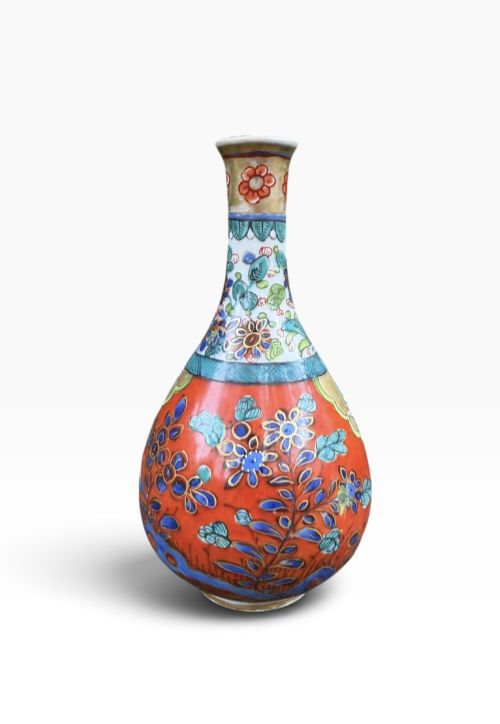
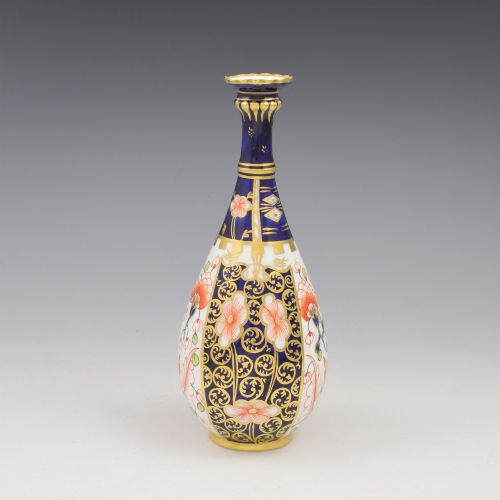
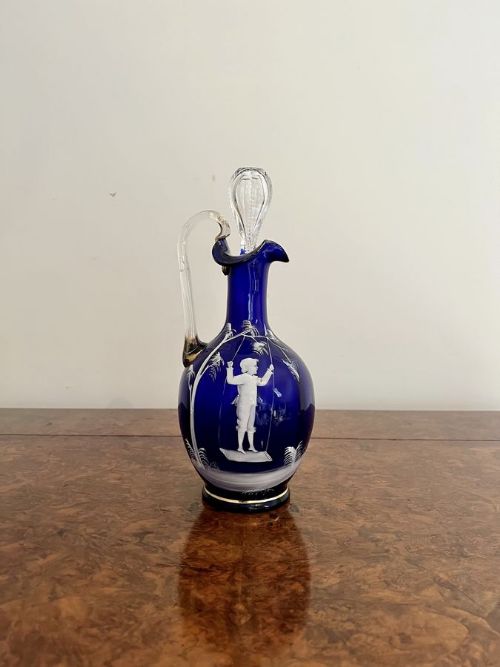
A blue decorative bottle covers everything from apothecary jars and decanters to delicate porcelain stem vases across multiple centuries. When you search for a blue decorative bottle, you encounter diverse forms ranging from nineteenth-century French glass to Chinese export porcelain and Japanese Imari wares.
The selections span eras like the Victorian period and eighteenth-century production, incorporating styles such as Chinese Export, Japanese Imari, and Victorian design. These vessels serve primarily as display pieces, catching light and drawing the eye with varied shades of blue.
Most examples lean towards traditional vase forms, apothecary bottles, and garnitures rather than simple utilitarian flasks. Their origins stretch across Europe and Asia, uniting disparate cultures through the medium of blue ceramics and glass.
Materials and construction
Makers shaped these pieces from glass, porcelain, stoneware, and copper, often enhancing them with enamel, gold leaf, brass, and cork. Glass vessels rely on free-blowing or mould-forming techniques before painters add surface details.
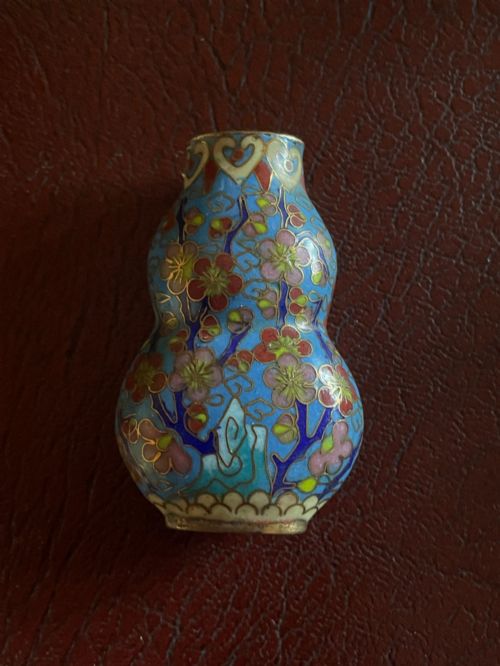
Ceramic pieces involve throwing clay on a wheel or moulding, followed by high-temperature firing and the application of cobalt pigments or polychrome glazes. Metal elements like cloisonné require intricate wirework soldered to a copper base before enamel fills the cells.
Blue Decorative Bottle Retail Price Guide 2026
Typical asking prices for blue decorative bottle among the pieces listed under this phrase on Sellingantiques today, from the lower quarter to the upper quarter. They describe what is for sale here now, not the wider market.
Early pharmacists relied on turquoise glass bottles to hide murky medicinal mixtures while adding a bright splash of colour to the shop.
Evaluating craftsmanship
Quality rests in the precision of the hand-painted details, the clarity of the glass, and the symmetry of the vessel's form. Superior pieces demonstrate crisp brushwork on porcelain and smooth, bubble-free glass surfaces.
The depth of the blue pigment and the integration of secondary materials like gold leaf or brass mounts elevate an object. Finer items retain their original fittings, such as stoppers or corks, in harmonious condition with the body.
The Blue Decorative Bottle Glossary
- Apothecary jar
- A vessel originally used by pharmacists to store medicines and dry ingredients. These often feature hand-painted labels or decorative motifs on glass or ceramic.
- Cloisonné
- A metalwork technique where thin wire creates raised partitions on a surface, which are then filled with coloured enamel pastes. This method produces intricate, patterned designs.
- Imari
- A style of Japanese porcelain decorated in underglaze blue, iron red, gold, and supplementary colours. It gained significant popularity in European export markets.
- Clobbered
- A term for older ceramics, usually Chinese blue and white porcelain, that received later overglaze painting in Europe to add colour and appeal to Western tastes.
- Garniture
- A set of three or more matching vases or vessels designed to be displayed together on a mantelpiece or sideboard.
Blue Decorative Bottle: Frequently Asked Questions
How were apothecary bottles used originally?
Apothecary bottles held medicinal compounds, tinctures, and dry drugs in pharmacies and dispensaries. Their coloured glass protected sensitive contents from degrading ultraviolet light.
Over time, these utilitarian vessels transitioned into decorative objects due to their vibrant hues and elegant forms. Today, they serve entirely aesthetic purposes in domestic interiors.
What is the difference between porcelain and stoneware?
Porcelain is a fine, translucent ceramic fired at very high temperatures using kaolin clay. It results in a hard, non-porous body that rings when struck.
Stoneware is a heavier, opaque ceramic fired at slightly lower temperatures and made from denser clay. It is naturally vitrified and robust, commonly seen in utility wares.
How do I care for antique glass and porcelain?
Clean these items gently using warm water and mild soap, avoiding harsh scrubbing or ultrasonic cleaners. Dry them thoroughly with a soft, lint-free cloth to protect surface finishes.
Keep delicate pieces out of direct sunlight to prevent fading in painted enamels or coloured glass. Secure unstable items away from high-traffic edges.
How do I identify Imari patterns?
Imari patterns are characterised by a distinct palette combining cobalt blue underglaze with iron-red overglaze and gold leaf highlights. The designs typically feature dense floral or geometric motifs.
Originating in Japan, this style heavily influenced European porcelain factories during the eighteenth and nineteenth centuries. Genuine examples display fine hand-application of these signature colours.