


Blue Coat Painting
Blue coat painting brings together historic portraiture and decorative objects featuring distinctive blue garments across the eighteenth and nineteenth centuries.
Blue Coat Painting
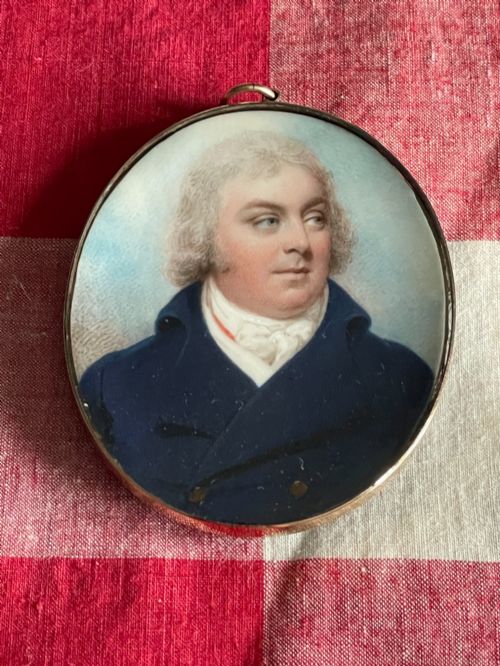
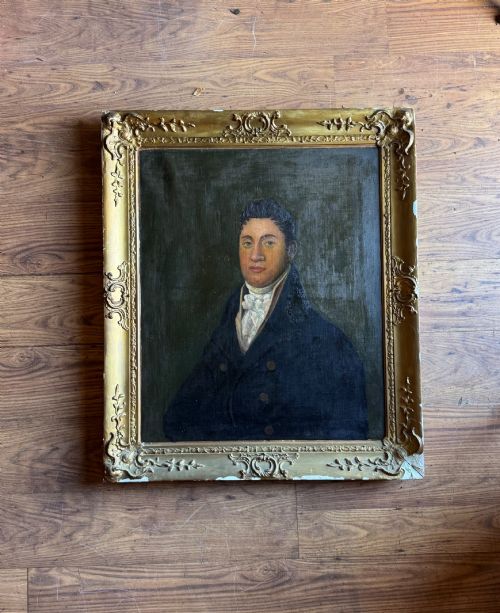
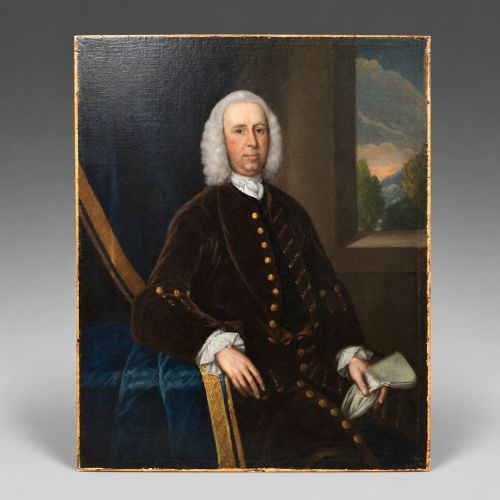
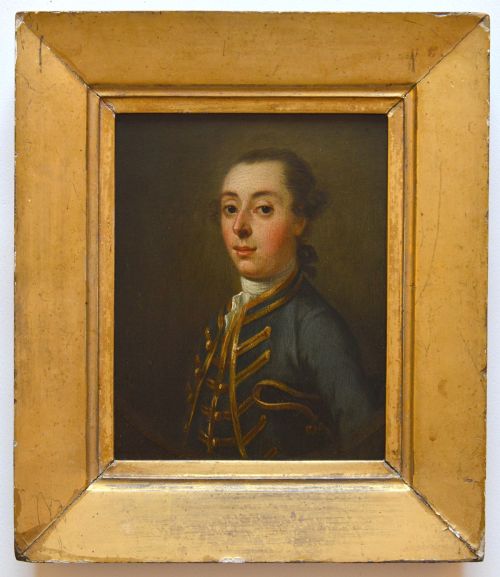
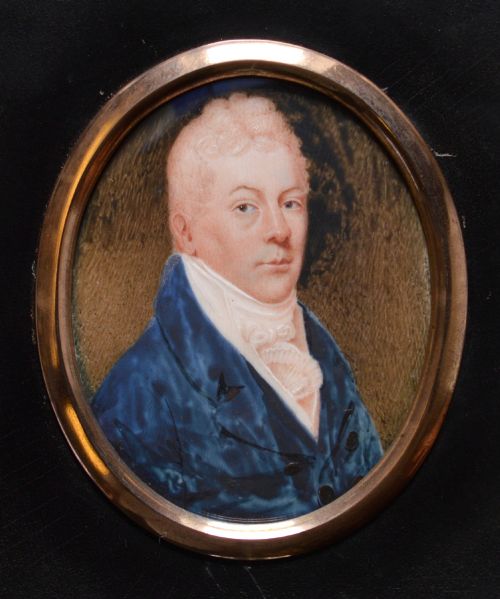
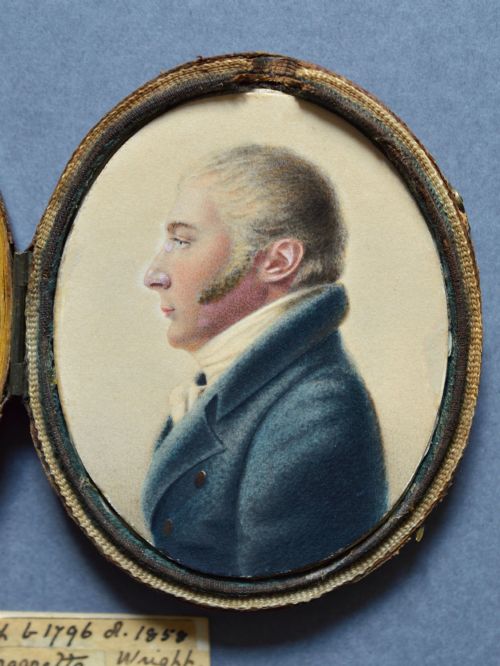
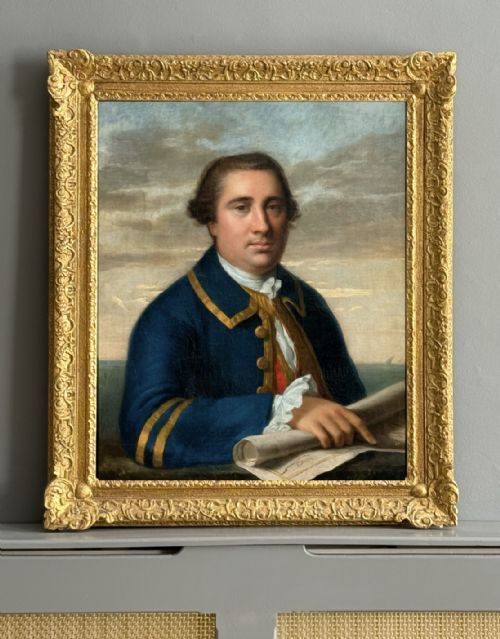
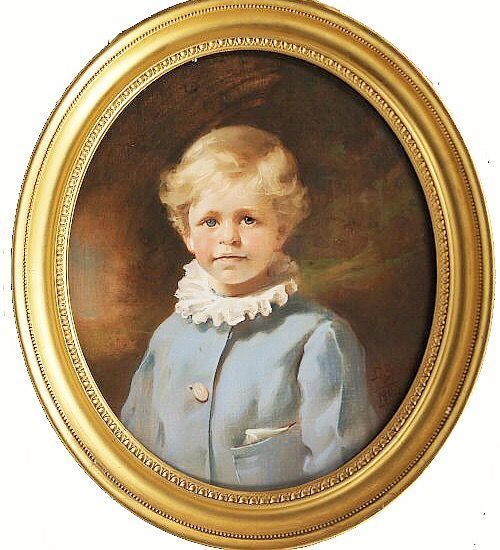
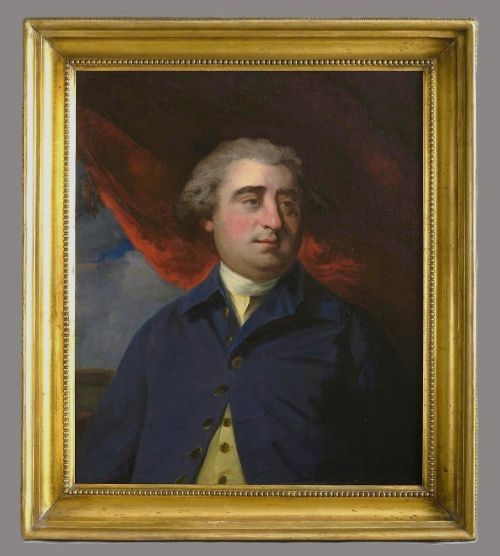
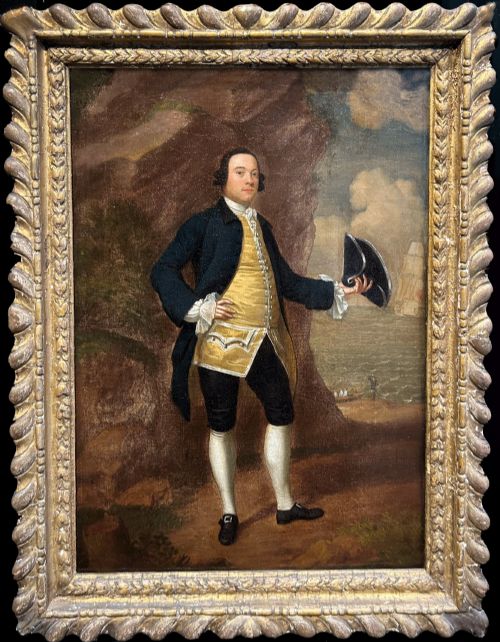
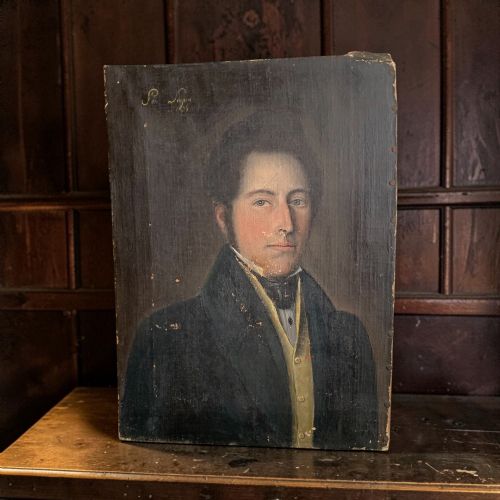
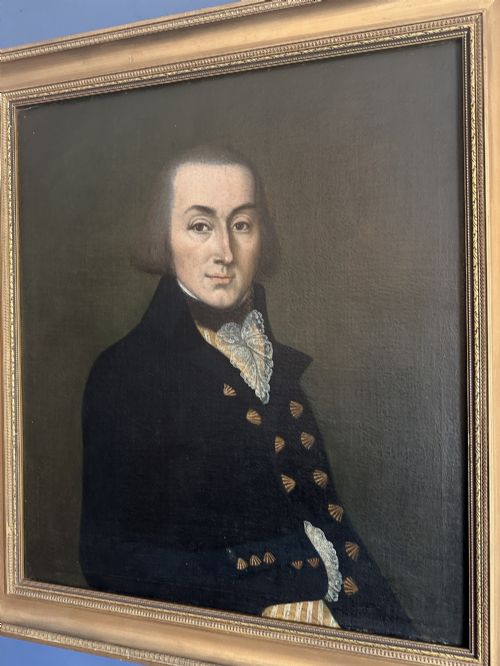
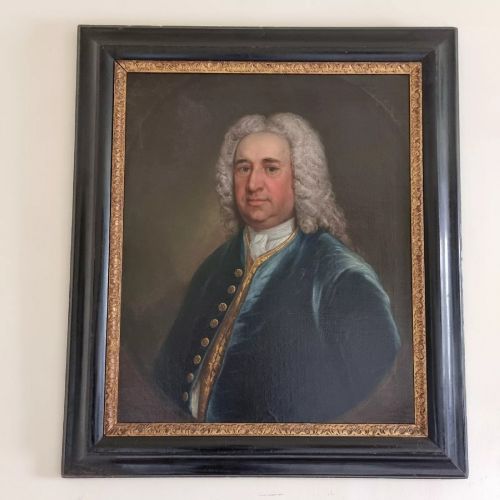
A blue coat painting primarily encompasses oil portraits on canvas and delicate miniature works executed on ivory, paper, or agate panel. These pieces originate across the eighteenth and nineteenth centuries, spanning Georgian, Regency, and Victorian periods.
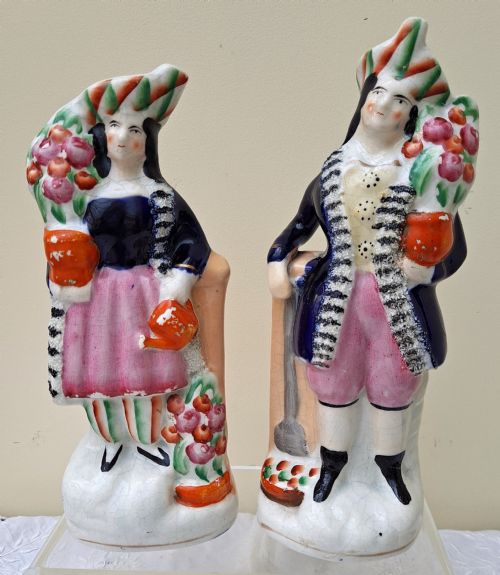
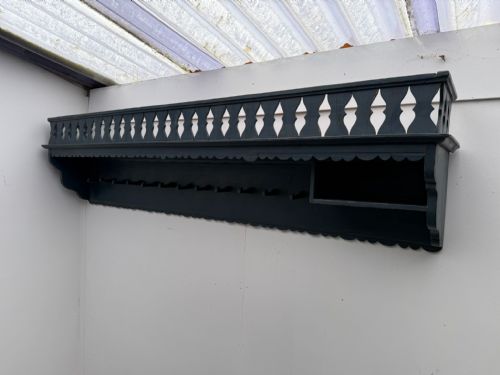
Buyers also encounter related decorative forms including Staffordshire pottery figures, painted pine coat racks, and armorial plates. The portrait subjects range from military officers and naval captains to privateers and civilian gentlemen.
Most examples hail from British and European schools, capturing sitters in formal attire with distinct sartorial details.
Materials and Construction
Artists relied primarily on oil on canvas for larger portraits, building rich depth through layered pigments and glazes. Miniature works required precise handwork on specialised surfaces such as ivory, paper, and agate panels.
Framing and support materials include giltwood, glass, and shaped wood, while ceramic works utilise glazed pottery and porcelain decorated with enamel.
Blue Coat Painting Retail Price Guide 2026
Typical asking prices for blue coat painting among the pieces listed under this phrase on Sellingantiques today, from the lower quarter to the upper quarter. They describe what is for sale here now, not the wider market.
A painted wooden tavolette book cover brings unexpected medieval Sienese aesthetics right into the nineteenth-century mix.
Evaluating the Works
Quality rests in the precision of the brushwork and the anatomical accuracy of the portrait subject. Finer portraits capture nuanced facial expressions and textile textures with greater clarity.
The sophistication of the secondary materials, such as heavy glazed pottery or detailed 18k gold frames housing miniatures, elevates the standing of an individual piece.
Francis Lindo·Constantyn Netscher·Lemuel Francis Abbott·Sir Joshua Reynolds·Francis Hayman·John C D Engleheart·Icilio Federico Joni·Louis De Silvestre·Sir Thomas Lawrence·Samuel Cotes·Diana Hill·Sir Godfrey Kneller·Frans van der Mijn
The Blue Coat Painting Glossary
- Portrait Miniature
- A small-scale painted likeness, typically executed on ivory, vellum, or paper during the Georgian and Victorian eras.
- Oil on Canvas
- A painting medium utilising pigments bound with drying oils, stretched across a woven fabric support.
- Staffordshire Figure
- A ceramic piece produced in the Staffordshire potteries, often depicting human characters or occupational figures.
- Armorial Plate
- A ceramic dining or display plate featuring painted heraldic coats of arms.
- Giltwood
- Wood carved and coated with gold leaf or a gold-coloured finish for decorative framing.
Blue Coat Painting: Frequently Asked Questions
What periods do these paintings date from?
The selection spans primarily the eighteenth and nineteenth centuries, encompassing Georgian, Regency, and Victorian aesthetics.
Specific dates within listings range from the late seventeenth century through the Victorian era.
What surfaces are miniatures painted on?
Miniature portraits utilise specialised compact surfaces rather than standard large canvases. Common materials include ivory, paper, and agate panels.
These compact supports allowed artists to achieve remarkable detail in portable formats.
Are all blue coat items paintings?
While the majority of pieces consist of oil paintings and watercolours, the category includes other decorated objects. Items such as Staffordshire pottery figures and painted pine coat racks also appear.
These diverse objects share decorative or thematic connections to the core painting selection.
How do I identify a Georgian portrait?
Georgian portraits typically display clothing styles, hairstyles, and framing conventions characteristic of the eighteenth century. Sitters often wear tailored coats, cravats, and formal wigs or natural hair.
Attributions to known artists or period schools in the titles provide further historical context.