

Blue Coastal Landscape Painting
A blue coastal landscape painting captures the shifting moods of the sea and shore through the hands of artists working from the nineteenth century onward.
Blue Coastal Landscape Painting
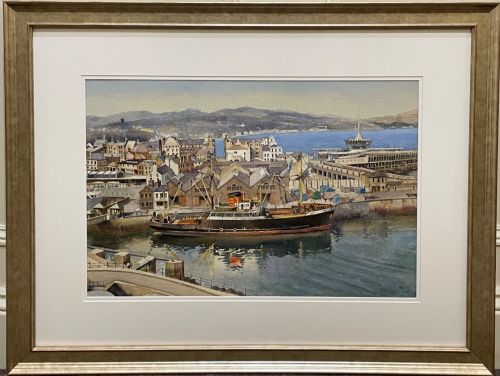
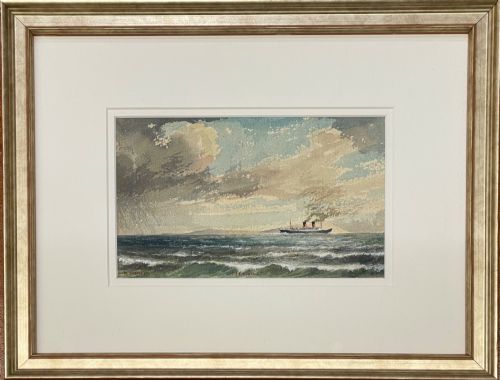
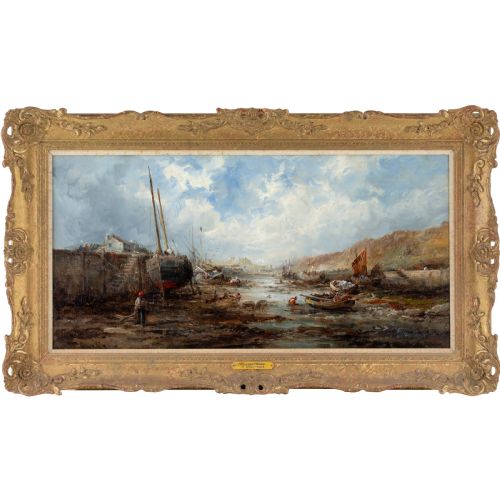
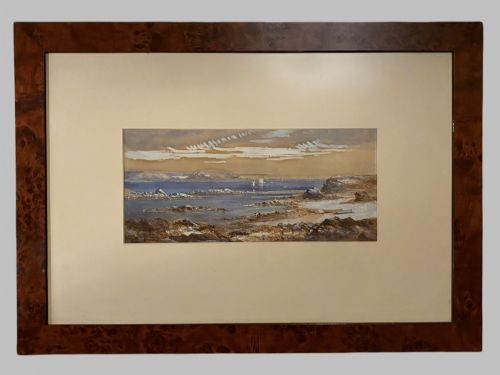
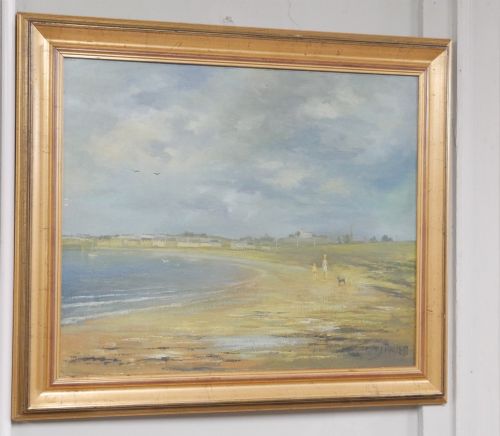
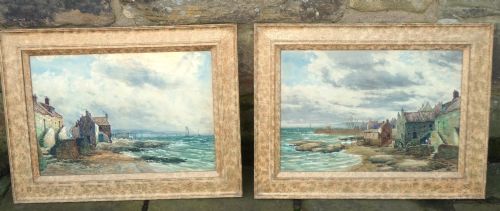
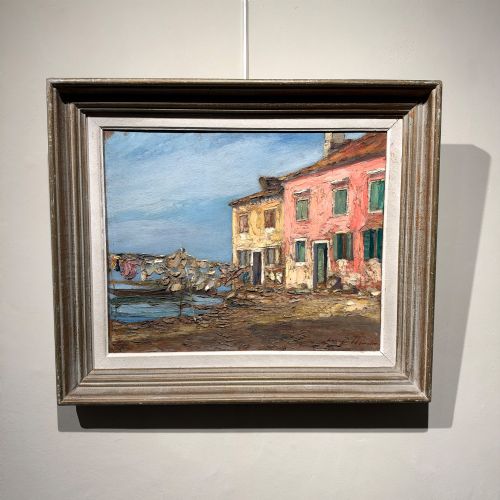
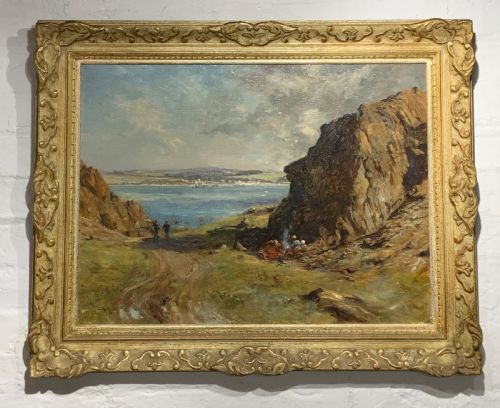
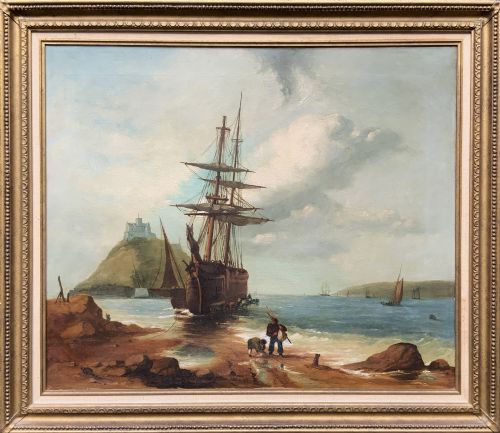
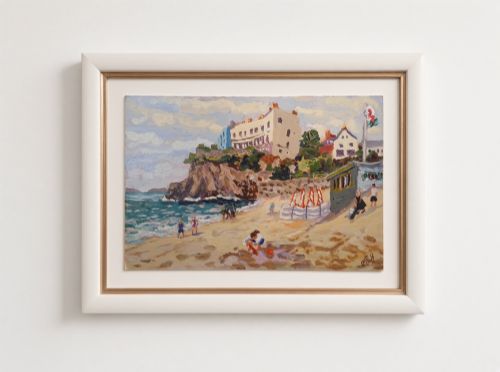
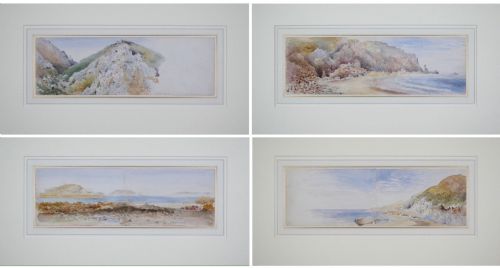
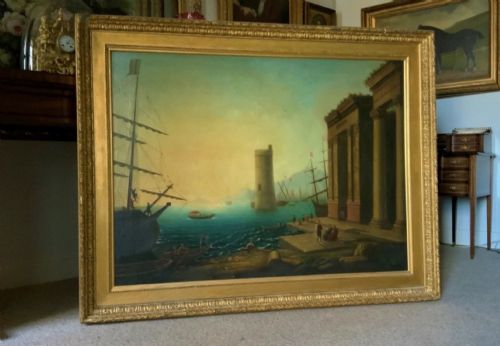
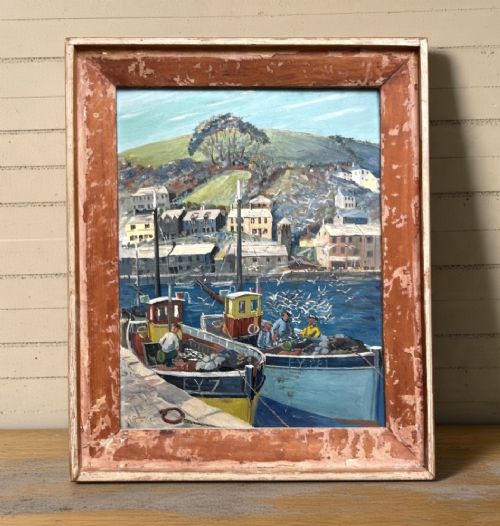
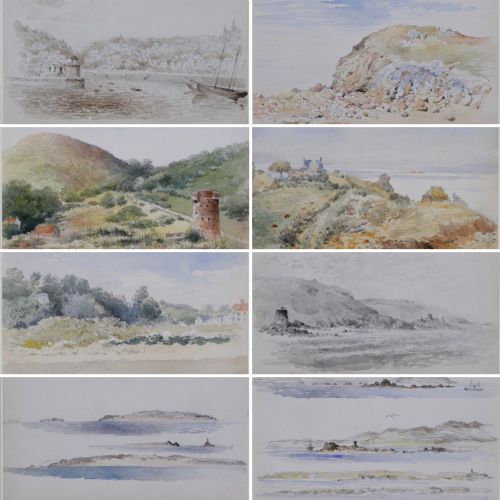
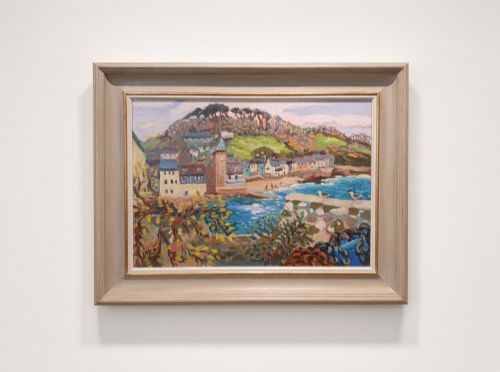
A blue coastal landscape painting typically depicts harbours, fishing boats, and shorelines rendered in oil or watercolour. These works capture maritime scenes from British and European locations, ranging from quiet coves to bustling ports.
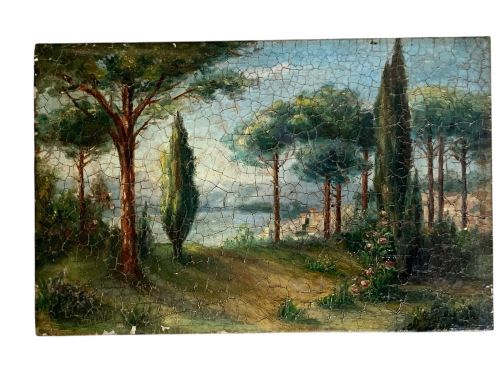
The pieces available span from the nineteenth century into the mid-twentieth century, encompassing Victorian marine art, British Impressionism, and mid-century movements. Collectors encounter works on canvas, paper, and wood, often preserved in period frames.
How They Were Made
Artists applied oil paint to canvas or wood panels, building rich textures and deep tones to capture the weight of the sea and sky. Others worked with watercolour pigment on paper, applying washes to create luminous effects of light on water.
Many nineteenth and early twentieth-century painters worked en plein air directly on location along the coast, observing natural light and weather conditions first-hand before finalising their compositions.
Blue Coastal Landscape Painting Retail Price Guide 2026
Typical asking prices for blue coastal landscape painting among the pieces listed under this phrase on Sellingantiques today, from the lower quarter to the upper quarter. They describe what is for sale here now, not the wider market.
Several canvases capture artists braving the salt spray to paint the sea exactly as the tide turned.
What Varies in Quality
Quality rests in the artist's command of light, atmosphere, and spatial depth, distinguishing a competent topographical record from a truly compelling marine composition. The handling of pigment, whether the fluid transparency of watercolour or the confident impasto of oil paint, dictates the visual power of the piece.
Condition and originality also influence the standing of a work, including the survival of the original pigment without excessive restoration and the retention of a period-appropriate frame that complements the canvas or paper.
James Orrock·Sidney A Court·John E Aitken·Thomas William Morley·Peter Brannan·Bernard Benedict Hemy·Thomas Creswick·Joseph Farquharson·William Henry Williamson·Henry Barlow Carter·William Frederick Settle·Charles William Adderton·Edward Matthew Elliott·Gustave Vidal·Jean Baptiste Olive
The Blue Coastal Landscape Painting Glossary
- En plein air
- Painting outdoors to capture direct observations of natural light and atmosphere. This approach was widely adopted by nineteenth and twentieth-century landscape artists.
- Impasto
- Paint applied thickly to a canvas or panel, standing visibly above the surface. This technique creates a textured quality that catches light.
- Marine art
- Artistic representation of the sea, ships, and coastal views. It encompasses historical naval engagements as well as quiet shorelines and harbour scenes.
- Wash
- A thin, fluid layer of watercolour pigment spread evenly across paper. It is used to create luminous skies and expanses of sea.
Blue Coastal Landscape Painting: Frequently Asked Questions
How do I date a coastal painting?
Dating relies on stylistic clues, framing, artist biographical records, and sometimes signatures or inscriptions left on the reverse of the canvas or paper. Costume details on figures or types of vessels depicted also help narrow down the decade.
Material evidence such as the type of canvas weave, stretcher frames, or paper watermarks provides further confirmation of the period in which the work was produced.
Where were these coastal scenes painted?
Artists travelled to prominent fishing ports, dramatic cliffs, and estuaries across Britain, France, Italy, and beyond. Locations like Cornwall, Yorkshire, and Normandy were particularly favored for their dramatic tides and maritime activity.
Many painters returned to the same coastal villages year after year, documenting local harbours, sailing ships, and the daily lives of fisherfolk.
How should I display watercolour coastal paintings?
Watercolour paintings on paper require careful placement away from direct sunlight to prevent the pigments from fading over time. UV-filtering glass and acid-free mounts help protect the paper during framing.
Maintaining stable humidity levels in the room prevents the paper from warping and protects the integrity of the original pigment.
What is the difference between oil and watercolour marine art?
Oil paintings utilise thick pigments suspended in oil on canvas or wood, offering rich textures, deep colour saturation, and durability. Watercolours use water-soluble pigments on paper, resulting in transparent, luminous effects.
Oils were often chosen for heavy seas and dramatic skies, while watercolours excelled at capturing the delicate light of dawn and dusk.